

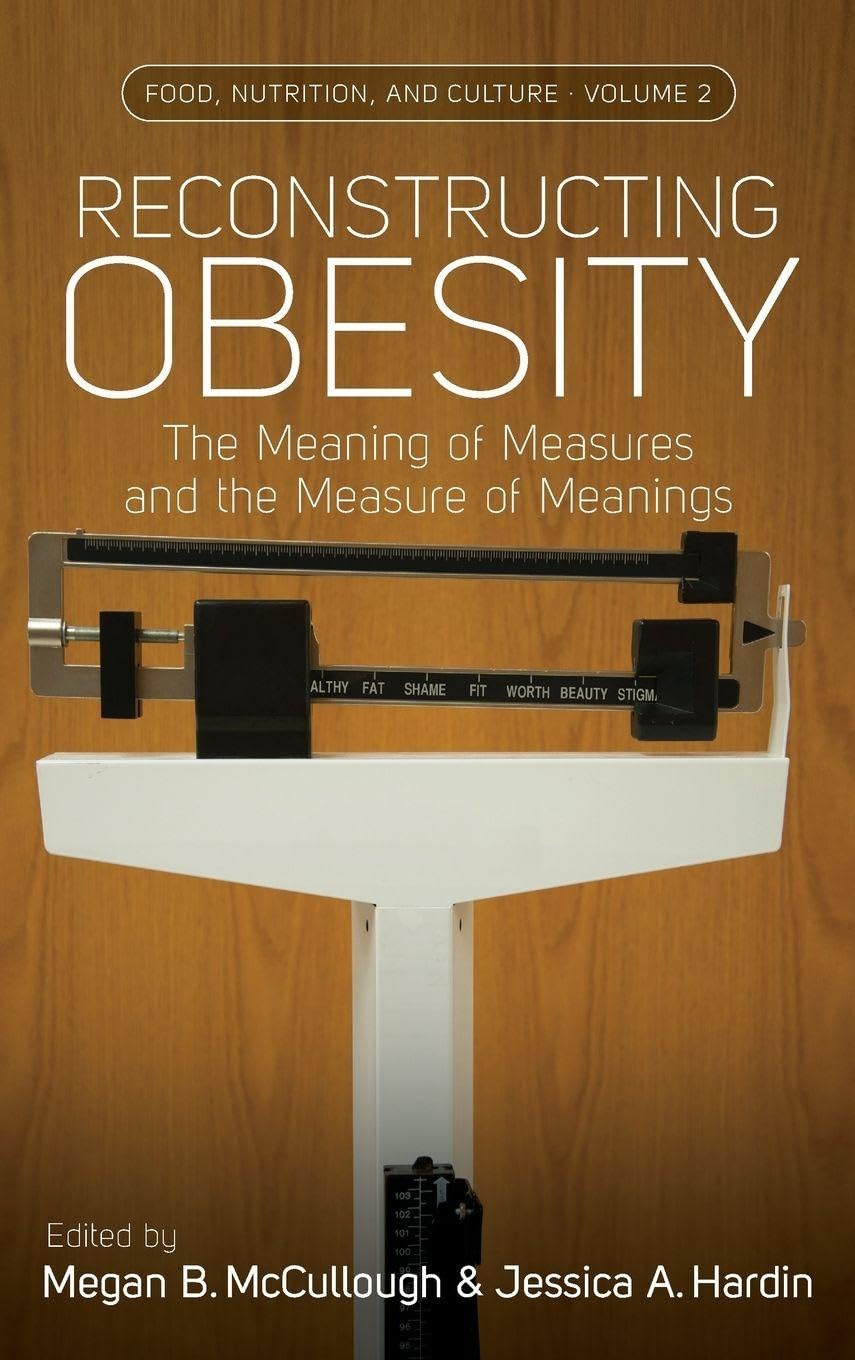
Reconstructing Obesity: The Meaning of Measures and the Measure
Reconstructing Obesity: The Meaning of Measures and the Measure
Price subject to change. Tap below for current.
Couldn't load pickup availability
In this review of Reconstructing Obesity: The Meaning of Measures and the Measure of Meanings, the bottom line is clear: this is an ethnographic, analytical volume designed for readers who want to move beyond population metrics and explore how people experience food, bodies, and risk in context. The book's strength is its emphasis on lived experience and emic perspectives, which makes it a valuable resource for researchers, public health professionals, and students seeking a deeper qualitative understanding of obesity and fat studies rather than a focus on prevention protocols or simple intervention checklists.
Key Features
- Ethnographic focus: The book uses fieldwork-derived narratives to foreground how local knowledge and everyday practices shape understandings of obesity and health.
- Cultural context: Chapters examine cross-cultural difference to show how meanings of fatness vary across settings and influence risk perception.
- Analytical emic perspective: Contributors prioritize insider views to reveal why people eat as they do and how embodiment informs health decisions.
- Critical reassessment: The volume reconstructs how obesity is studied to question whether current measures capture lived realities and intervention effectiveness.
- Interdisciplinary approach: The book bridges anthropology, public health, and cultural studies to offer a broader lens on obesity research.
Who It's For
This title is aimed at academics, graduate students, and practitioners in public health or medical anthropology who need a rigorous, qualitative take on obesity and fat studies. It is particularly useful for those researching cultural determinants of health and for program designers who must account for local meanings when planning interventions.
Readers seeking a clinical manual, weight-loss program guide, or quantitative epidemiology text should look elsewhere; the book deliberately avoids offering prescriptive intervention blueprints and instead focuses on interpretation, meaning, and methodology.
Pros & Cons
Pros
- Provides rich ethnographic case studies that illuminate how cultural context shapes eating practices.
- Challenges conventional measurement approaches, helping readers rethink research design and interventions.
- Pulls together interdisciplinary perspectives that broaden the conversation beyond medical metrics.
Cons
- The volume is qualitative and theoretical, so readers expecting hands-on intervention tactics or quantitative guidance may find it limited.
Specifications
| Title | Reconstructing Obesity: The Meaning of Measures and the Measure of Meanings |
| Series | Food, Nutrition, and Culture, 2 |
| Editors/Authors | Megan B. McCullough, Jessica A. Hardin |
| Focus | Ethnographic and emic explorations of obesity and cultural meanings |
| Audience | Researchers, students, public health professionals |
| Approach | Anthropological, qualitative, interdisciplinary |
Our Verdict
Reconstructing Obesity is a thought-provoking, well-argued collection that should be purchased by anyone seeking to understand obesity through lived experience and cultural frameworks. It is good value for researchers and practitioners who need to question standard measures and incorporate local knowledge into study design and policy thinking.
Frequently Asked Questions
Is this book focused on clinical treatment?
The book is not a clinical treatment manual; it centers on ethnographic analysis and cultural meaning rather than prescriptive treatment plans.
Who edited the volume?
The book is edited by Megan B. McCullough and Jessica A. Hardin.
Is it suitable for public health practitioners?
Yes; practitioners interested in qualitative insights and cultural context for program design will find it especially useful.
Editor's Take
Reconstructing Obesity is a rigorous, ethnographic collection that reframes obesity research around lived experience and cultural meaning, making it essential for researchers and public health practitioners who need qualitative insight into intervention design.

Recently viewed
Recently viewed products will appear here as customers browse the store.