

Reflections on the Fukushima Daiichi Nuclear Accident - Engineering
Reflections on the Fukushima Daiichi Nuclear Accident - Engineering
Price subject to change. Tap below for current.
Couldn't load pickup availability
In this review of Reflections on the Fukushima Daiichi Nuclear Accident, the reviewer finds a focused, academic resource for anyone interested in post-accident nuclear engineering education and the integration of social science with technical practice. Edited from the 2011 University of California, Berkeley summer school lectures and updated with subsequent chapters, the book's single biggest strength is its deliberate emphasis on bridging nuclear engineering and social-scientific approaches, making it a valuable reference for educators, researchers, and policy-minded engineers seeking context and curricula guidance.
Key Features
- Origins and context: Edited from the August 2011 summer school at UC Berkeley, the book captures immediate post-accident perspectives useful for historical and educational analysis.
- Interdisciplinary focus: The volume deliberately integrates nuclear science and social science, offering frameworks to teach ethics, risk communication, and public policy alongside technical topics.
- Curated lectures: The book compiles lectures by organizers and contributors, providing coherent material that can be adapted for course syllabi or seminar discussions.
- Updated perspectives: Additional chapters cover developments in the three years after the accident, giving readers insights into early responses and evolving thought in the field.
- Platform for discussion: The editors emphasize creating a renewed platform for engineering practice and education, which is useful for program development and institutional review.
Who It's For
This book is best suited for university instructors in nuclear engineering education, graduate students researching technological risk and policy, and program designers who want structured material that blends technical and social-scientific content. It is particularly helpful for those building courses or workshops in the wake of a major infrastructure accident.
Readers seeking an introductory textbook on reactor physics or a hands-on engineering manual should look elsewhere, as the book is centered on pedagogy, reflective analysis, and interdisciplinary discourse rather than step-by-step technical procedures.
Pros & Cons
Pros
- Strong interdisciplinary emphasis that helps reframe curricula to include social context alongside technical content.
- Based on a real academic summer school, so the material reflects live lecture structure and educator intent.
- Includes post-accident developments through additional chapters, offering timely follow-up to the 2011 lectures.
Cons
- Not a practical engineering handbook; readers wanting detailed technical procedures or design specifications will find it limited.
Specifications
| Title | Reflections on the Fukushima Daiichi Nuclear Accident |
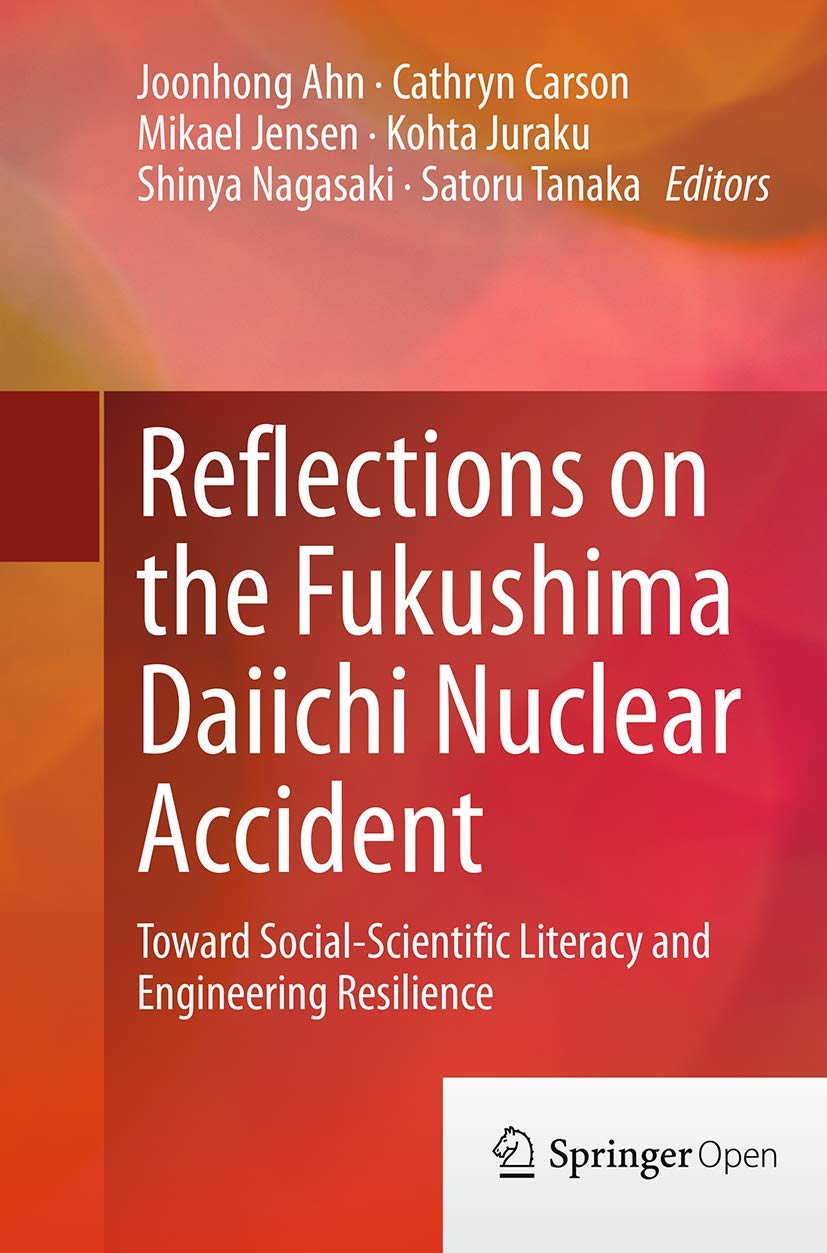
| Editors/Contributors | Joonhong Ahn, Cathryn Carson, Mikael Jensen, Kohta Juraku, Shinya Nagasaki, Satoru Tanaka |
| Origin | Lectures from August 2011 summer school at UC Berkeley |
| Focus | Nuclear engineering education and social-scientific integration |
| Content | Lectures plus additional chapters covering developments in the three years after the accident |
| Purpose | Platform for discussion to renew engineering practices and education |
Our Verdict
Reflections on the Fukushima Daiichi Nuclear Accident is a well-focused academic collection that delivers strong value for educators and researchers seeking to integrate social-scientific literacy with technical training. It is recommended for curriculum developers and graduate-level courses; its emphasis on discourse and pedagogy makes it a worthwhile, targeted investment for institutions rethinking nuclear engineering education.
Frequently Asked Questions
Does this book include technical reactor design procedures?
No. The book emphasizes educational, social-scientific, and reflective approaches rather than step-by-step reactor engineering methods.
Where did the material originate?
The chapters are drawn from lectures given at the August 2011 summer school at UC Berkeley and include additional follow-up chapters covering developments through the next three years.
Who edited the volume?
The editors and principal contributors include Joonhong Ahn, Cathryn Carson, Mikael Jensen, Kohta Juraku, Shinya Nagasaki, and Satoru Tanaka.
Editor's Take
A focused academic collection that effectively integrates social-scientific literacy with nuclear engineering education; recommended for educators and researchers rethinking curricula after Fukushima.

Recently viewed
Recently viewed products will appear here as customers browse the store.