

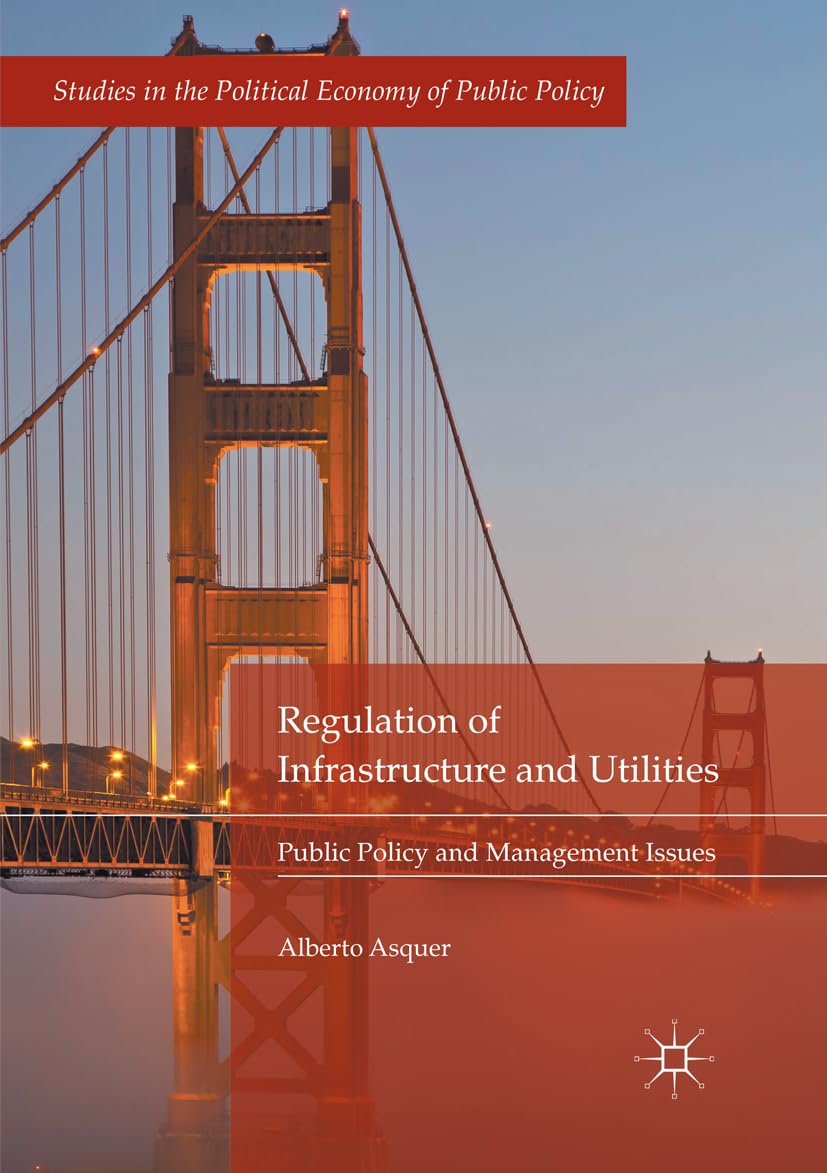
Regulation of Infrastructure and Utilities: Public Policy
Regulation of Infrastructure and Utilities: Public Policy
Price subject to change. Tap below for current.
Couldn't load pickup availability
In this review of Regulation of Infrastructure and Utilities: Public Policy and Management Issues, the reviewer finds a thorough, academically minded treatment of regulatory design and practice that will appeal to policymakers, regulators, and students. The single biggest reason to buy is its integrated approach: theoretical frameworks paired with multiple sector case studies offer a clear pathway from designing regulation to making it work in practice. This review focuses on how the book balances theory and applied lessons for regulation of utilities across sectors.
Key Features
- Comprehensive structure: The book is divided into three parts-devising regulation, installing regulation, and making regulation work-so readers can follow a logical progression from theory to implementation.
- Theoretical foundations: Coverage of theories of regulation and regulatory tools helps readers understand the rationale behind different policy choices and reforms.
- Practical case studies: Multiple sector case studies, including water, electricity, telecommunications, highways and railways, show how concepts apply in real regulatory settings.
- Focus on regulatory capacity: Discussion of the politics of regulation and capacity issues highlights institutional barriers and enablers for effective oversight.
- Performance and investment linkage: Chapters on regulatory commitment and investments explain how regulation influences industry performance and long-term infrastructure decisions.
Who It's For
The book is best suited to public policy students, regulators, and policymakers who need a structured, evidence-informed guide to understanding how regulatory systems are designed and operated. Its mix of theory and case studies serves academic courses and professional training programs seeking material that links concepts to sector-specific examples.
Practitioners looking for step-by-step operational manuals for daily regulatory tasks or readers seeking light, introductory overviews should look elsewhere; this book assumes some familiarity with policy debates and is more analytical than a practitioner's handbook.
Pros & Cons
Pros
- Clear tripartite organization that guides readers from conceptual frameworks to practical outcomes.
- Useful case studies across multiple sectors that illuminate common regulatory challenges.
- Balanced emphasis on both policy design and the political and capacity constraints that affect implementation.
Cons
- The tone and depth are academic, which may be dense for casual readers or busy practitioners seeking quick how-to guidance.
Specifications
| Title | Regulation of Infrastructure and Utilities: Public Policy and Management Issues |
| Series | Studies in the Political Economy of Public Policy |
| Author | Alberto Asquer |
| Structure | Three parts: devising, installing, making regulation work |
| Coverage | Theory, regulatory policy, politics, capacity, commitment, performance |
| Case studies | Water, electricity, telecommunications, highways, railways |
Our Verdict
Regulation of Infrastructure and Utilities is a valuable, well-structured resource for those studying or working in public policy and regulatory institutions. Its combination of theory and sector case studies makes it good value for readers who need a deeper understanding of how regulatory design affects investment and performance across utilities.
Frequently Asked Questions
Does the book include real-world examples?
Yes, it includes case studies across several infrastructure sectors such as water, electricity, telecommunications, highways and railways.
Is this book suitable for practitioners?
It is most useful for practitioners who want analytical depth and conceptual frameworks; it is less of a step-by-step operational manual.
What topics are emphasized?
The book emphasizes regulatory theories, policymaking tools, political and institutional capacity, regulatory commitment, and industry performance.
Editor's Take
A well-structured, analytical resource that combines regulatory theory with multi-sector case studies, ideal for policymakers and students who need depth on designing and implementing utility regulation.

Recently viewed
Recently viewed products will appear here as customers browse the store.