

Relating to Self-Harm and Suicide - Psychoanalytic and Clinical Guide
Relating to Self-Harm and Suicide - Psychoanalytic and Clinical Guide
Price subject to change. Tap below for current.
Couldn't load pickup availability
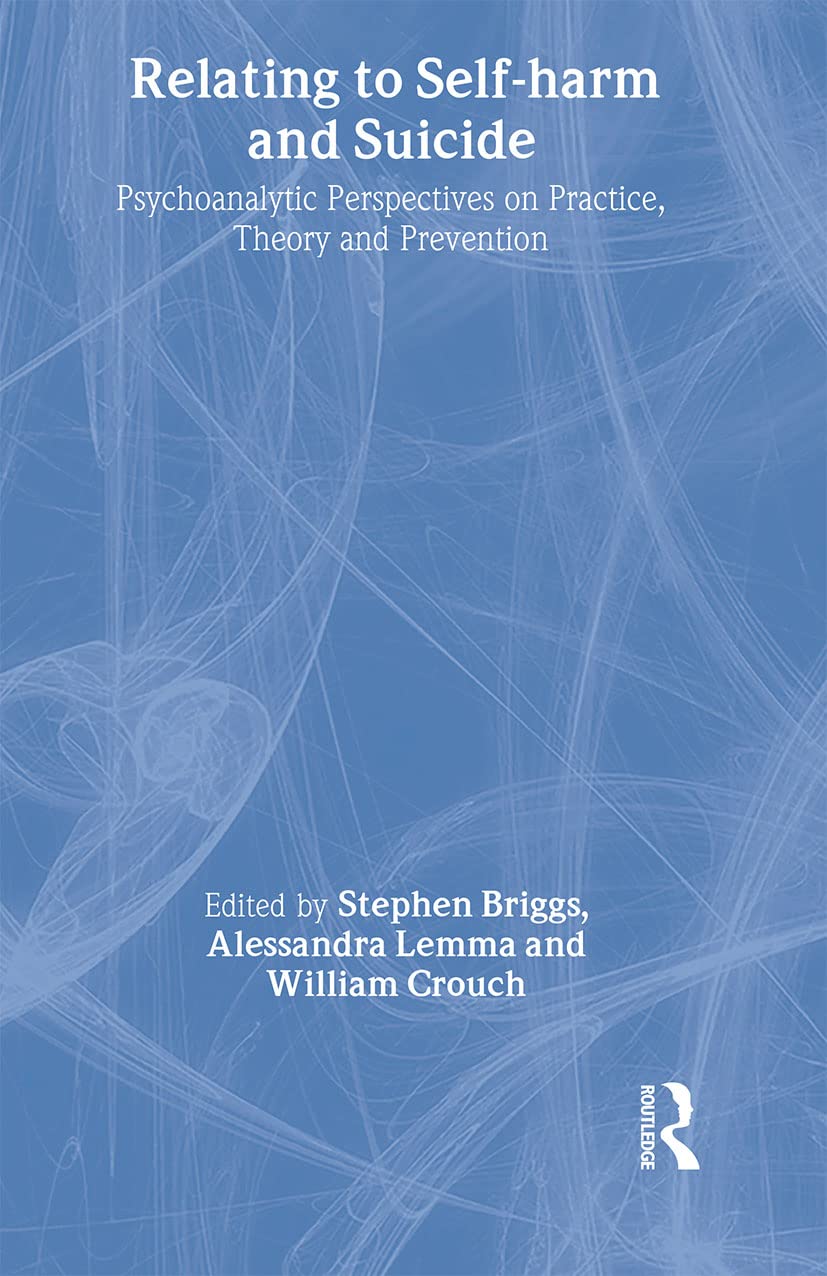
In this review of Relating to Self-Harm and Suicide, the book is recommended for clinicians, trainees and policy-minded readers seeking a psychoanalytic perspective on self-harm and suicide; its single biggest reason to buy is the sustained argument that self-harm and suicidal acts carry interpersonal and intrapsychic meaning that can inform prevention and clinical work. The collection, brought together by Stephen Briggs, Alessandra Lemma and William Crouch, balances theory, case material and policy application so readers get both conceptual framing and concrete examples to inform practice.
Key Features
- Theoretical overview: Presents a contemporary psychoanalytic framework that situates self-harm and suicide within interpersonal and intrapsychic relationships, helping clinicians reframe risk as relational meaning.
- Clinical examples: Offers case studies and psychoanalytic practice examples that illustrate how therapists can work with self-harming and suicidal patients in session.
- Prevention focus: Applies psychoanalytic thinking to suicide and self-harm prevention, making the material relevant to policy makers and services as well as individual clinicians.
- Interdisciplinary voices: Brings together contemporary psychoanalysts, therapists and academics to provide varied perspectives and deepen clinical insight.
- Award recognition: Notes Alessandra Lemma as a winner of the Levy-Goldfarb Award for Child Psychoanalysis, underscoring the book's standing in psychoanalytic circles.
Who It's For
This volume is best for psychoanalytic therapists, clinical psychologists, psychiatrists and trainees who want a deeper, meaning-focused approach to self-harm and suicidal behavior rather than a solely risk-management manual. It is also useful for policy makers and service leaders looking to integrate relational thinking into prevention strategies.
Readers seeking step-by-step crisis protocols, brief cognitive-behavioral techniques, or a purely empirical epidemiological account should look elsewhere; this book is oriented toward reflective clinical practice and theoretical integration rather than front-line emergency procedures.
Pros & Cons
Pros
- Clear emphasis on the relational meaning of self-harm provides a hopeful, clinically useful reframing for therapists.
- Balance of theory and detailed case material helps translate psychoanalytic ideas into therapeutic work.
- Contributions from academics and clinicians offer a range of perspectives that enrich the discussion.
Cons
- The book is oriented to psychoanalytic approaches and may feel less directly applicable to practitioners seeking brief, protocol-driven interventions.
Specifications
| Title | Relating to Self-Harm and Suicide |
| Editors/Authors | Stephen Briggs, Alessandra Lemma, William Crouch |
| Content focus | Psychoanalytic understanding of self-harm and suicide |
| Sections included | Theory, psychoanalytic practice examples, prevention applications |
| Intended audience | Clinicians, therapists, academics, policy makers |
| Award note | Alessandra Lemma: Levy-Goldfarb Award for Child Psychoanalysis |
Our Verdict
Relating to Self-Harm and Suicide is a thoughtful, clinically oriented collection that reframes self-harm and suicidal behavior as meaningful within relationships and the intrapsychic world. Clinicians who value reflective, relational approaches will find practical case material and useful theoretical grounding, making it a worthwhile investment for those integrating psychoanalytic perspectives into prevention and therapy.
Frequently Asked Questions
Does this book include clinical case examples?
Yes, the book contains psychoanalytic practice examples illustrating work with self-harming and suicidal patients.
Is the book aimed at emergency crisis teams?
No, it is aimed at therapists and policy makers interested in psychoanalytic and relational frameworks rather than immediate crisis protocols.
Who are the editors and contributors?
The volume is edited by Stephen Briggs, Alessandra Lemma and William Crouch and includes contributions from contemporary psychoanalysts, therapists and academics.
Editor's Take
A thoughtful, clinically oriented collection that reframes self-harm and suicide as meaningful within relationships; recommended for clinicians who want psychoanalytic, prevention-informed approaches.

Recently viewed
Recently viewed products will appear here as customers browse the store.