

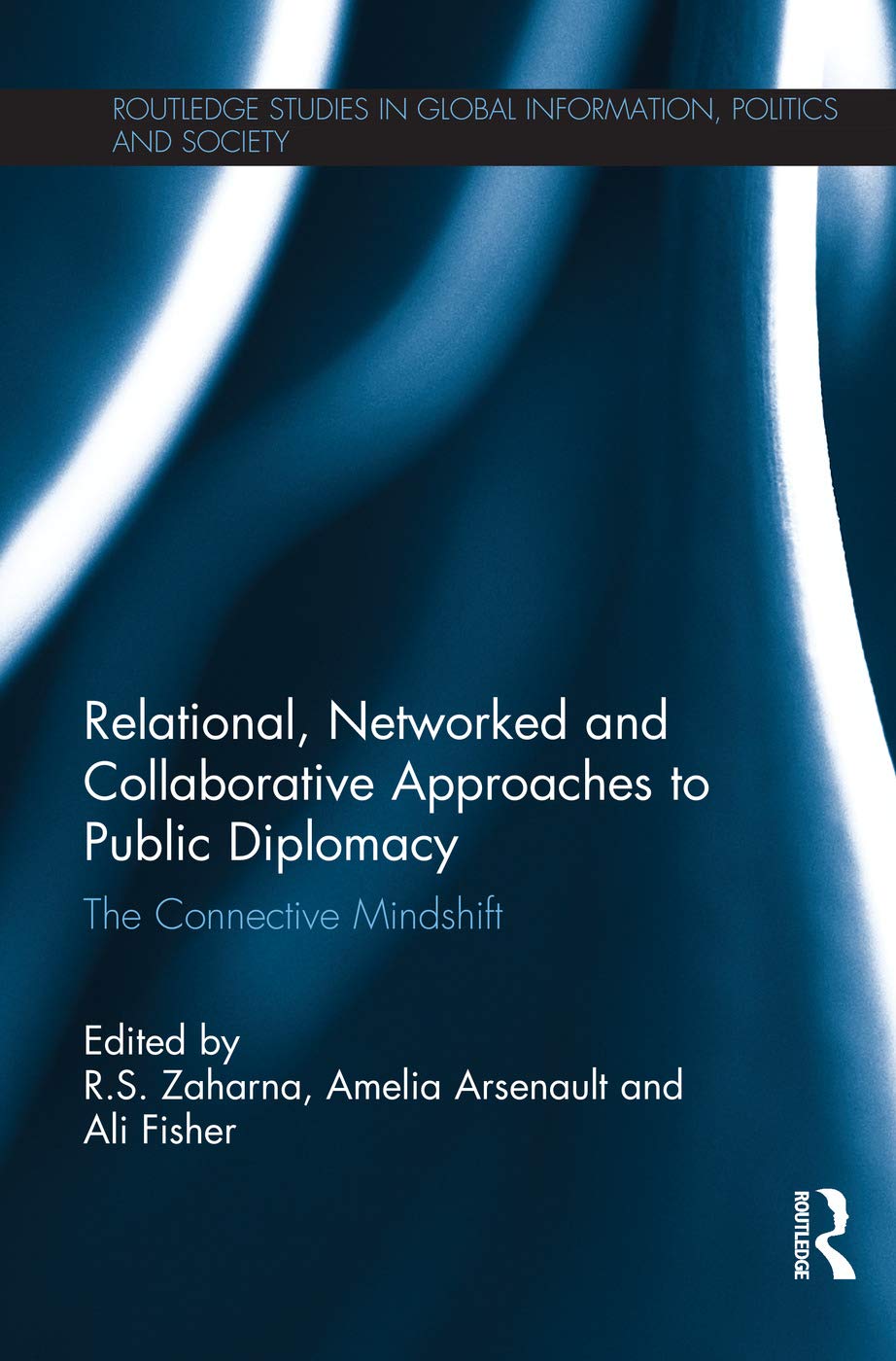
Relational, Networked and Collaborative Approaches to Public Diplomacy
Relational, Networked and Collaborative Approaches to Public Diplomacy
Price subject to change. Tap below for current.
Couldn't load pickup availability
In this review of Relational, Networked and Collaborative Approaches to Public Diplomacy the bottom line is clear: this collection is for scholars, practitioners, and advanced students seeking conceptual and practical alternatives to one-way campaigns. The book argues persuasively for a connective mindshift toward relationship management, assembling international researchers and diplomats who offer frameworks, training ideas, and case studies that show how public diplomacy can move beyond information control. Readers who want theory tied to practice will find the essays timely and focused.
Key Features
- Relational focus: Emphasizes shifting from mass-media tactics to sustained, two-way relationship strategies that fit complex global issues.
- Networked perspective: Explores how diverse public diplomacy actors interconnect and how those networks shape influence and outcomes.
- Practical case studies: Includes real-world examples from practitioners and diplomats that illustrate applied methods and lessons learned.
- Training and methods: Offers ideas for developing skills and training programs that prepare practitioners for relational engagement.
- Forward-looking analysis: Considers the growing role of social media and interwoven issues, making the book relevant for near-term strategy development.
- Interdisciplinary contributors: Brings together scholars and experienced diplomats to provide both theoretical depth and practitioner insight.
Who It's For
This volume is best for academics researching public diplomacy theory, government communicators redesigning outreach strategies, and experienced practitioners who need conceptual language and case-based evidence to support relational programs. It suits graduate seminars and professional training contexts where participants are ready to move beyond broadcast models.
Those seeking an introductory primer for novices or a step-by-step handbook of tactical social media posts should look elsewhere; the book assumes familiarity with diplomatic practice and focuses on frameworks, training approaches, and comparative case material rather than granular campaign templates.
Pros & Cons
Pros
- Provides a coherent argument for a connective mindshift that aligns strategy with contemporary networked realities.
- Balances scholarly frameworks with practitioner case studies, making theory actionable.
- Addresses training and methods, useful for organizations seeking to build internal capacity.
- Timely focus on social media and complex issue linkages that affect diplomacy today.
Cons
- Not a how-to manual for beginners; readers seeking tactical templates may find the material high level.
Specifications
| Title | Relational, Networked and Collaborative Approaches to Public Diplomacy |
| Series | Routledge Studies in Global Information, Politics and Society |
| Authors / Editors | R.S. Zaharna, Amelia Arsenault, Ali Fisher |
| Scope | Conceptual frameworks, training methods, and case studies |
| Main theme | Shift from information control to relationship management |
| Intended audience | Scholars, practitioners, and experienced students |
Our Verdict
Relational, Networked and Collaborative Approaches to Public Diplomacy is a well-structured, timely anthology that makes a convincing case for moving beyond one-way campaigns. It offers valuable conceptual tools and practitioner perspectives for anyone tasked with designing diplomatic outreach in networked environments, and represents good value for readers wanting theory tied to applied cases rather than basic tactical guides.
Frequently Asked Questions
Does this book include practical case studies?
Yes, the collection includes practitioner and diplomatic case studies designed to illustrate applied relational strategies.
Is this suitable for beginners?
The book assumes some familiarity with public diplomacy and is better suited to advanced students, scholars, and practitioners rather than complete novices.
What is the central argument?
The central argument calls for a connective mindshift from information control to skilled relationship management in public diplomacy.
Editor's Take
This anthology convincingly argues for a connective mindshift in public diplomacy, offering scholars and practitioners useful frameworks, case studies, and training ideas for relationship-focused strategies.

Recently viewed
Recently viewed products will appear here as customers browse the store.