

Religious Narrative, Cognition and Culture - Scholarly
Religious Narrative, Cognition and Culture - Scholarly
Price subject to change. Tap below for current.
Couldn't load pickup availability
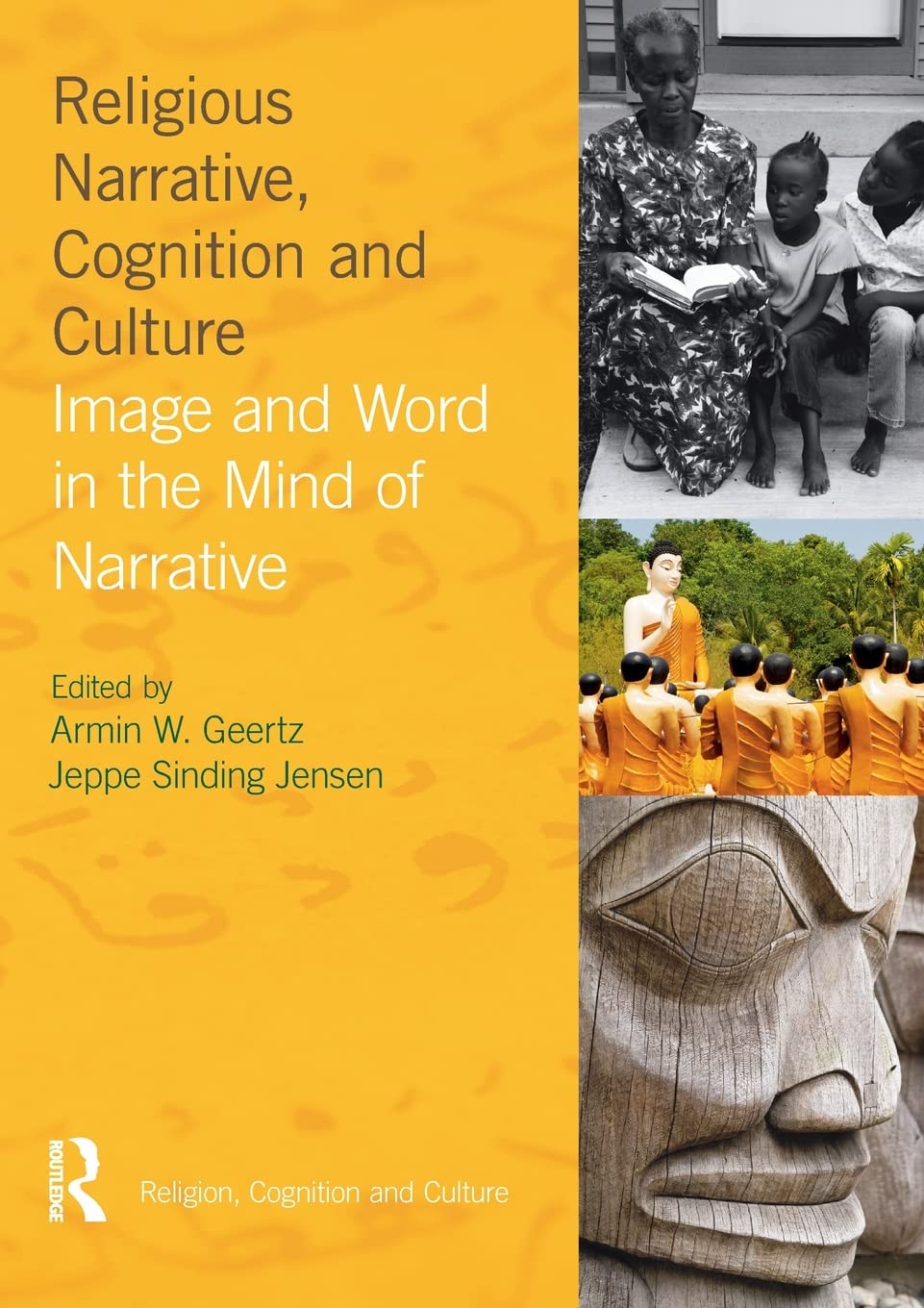
Our review of Religious Narrative, Cognition and Culture examines a dense, interdisciplinary collection that will appeal to scholars and advanced students of religion, cognitive science and cultural studies. The single biggest reason to read this volume is its sustained attempt to connect narrative theory with cognitive and neurological perspectives, offering essays that move from language origins and phylogenetic discussion to the psychology of ritual and the role of gossip as religious narrative. It is a careful, academically rigorous review pick rather than light reading, best used as a reference and discussion starter.
Key Features
- Interdisciplinary scope: Essays link cognitive science and comparative religion to provide multiple angles on how narrative and belief interact.
- Language and cognition: Chapters explore neurological processes and suggested genetic foundations that underpin language emergence and narrative capacity.
- Developmental and social focus: Contributors address ontogenesis and sociogenesis, clarifying how individual cognitive development and social processes shape religious narratives.
- Narratology and speech-act approach: The book advances a reworked speech-act model centered on narrative, useful for scholars rethinking textual and oral religious communication.
- Ritual and emotion: Several essays examine the psychology of ritual and emotional communication, showing how ritual supports the plausibility of narrative beliefs.
- Regional and textual studies: Area studies include treatment of religious narrative and cognition in the Bible and comparative material such as Indian traditions.
Who It's For
This volume is aimed at academics, graduate students and researchers who study religion, cognitive anthropology, cognitive science of religion, narratology or related humanities disciplines. It works well as a seminar text or as a sourcebook for literature reviews because contributors engage at length with both theory and empirical findings.
Readers seeking a popular introduction to religion or a light survey should look elsewhere; the essays assume familiarity with theoretical terminology and make scholarly arguments that reward careful reading rather than casual browsing.
Pros & Cons
Pros
- The interdisciplinary essays provide a rare synthesis of neurology, narratology and social theory.
- Detailed chapters on language origin and cognitive development give concrete theoretical pathways for future research.
- Includes focused area studies that ground theory in biblical and Indian material.
Cons
- The academic density and specialist vocabulary make the book a challenging read for non-specialists.
Specifications
| Title | Religious Narrative, Cognition and Culture |
| Series | Religion, Cognition and Culture |
| Editors / Authors | Armin W. Geertz, Jeppe Sinding Jensen |
| Subject focus | Cognitive science of religion; narratology; ritual psychology |
| Geographic/textual studies | Includes Bible and Indian case studies |
| Intended audience | Scholars, graduate students, researchers |
Our Verdict
Religious Narrative, Cognition and Culture is a strong, scholarly collection that succeeds at mapping connections between narrative and cognitive frameworks and at suggesting empirical and theoretical routes forward. It is good value for researchers and advanced students who want a rigorous, interdisciplinary resource on how narrative, ritual and cognition intersect in religious life.
Frequently Asked Questions
Is this book suitable for undergraduate introductory courses?
Not typically; the essays assume prior theoretical knowledge and suit graduate seminars or specialist courses better.
Does the book include case studies?
Yes, it contains area studies including treatments of biblical narrative and Indian traditions alongside theoretical chapters.
Will a reader learn about neuroscience here?
Several chapters address neurological processes and suggested genetic foundations related to language and cognition, but the focus is interdisciplinary rather than a neuroscience textbook.
Editor's Take
A rigorous interdisciplinary collection that maps how narrative, cognition and ritual interact; ideal for researchers and advanced students seeking a scholarly resource.

Recently viewed
Recently viewed products will appear here as customers browse the store.