

Resolution Proof Systems: An Algebraic Theory - Automated Reasoning
Resolution Proof Systems: An Algebraic Theory - Automated Reasoning
Price subject to change. Tap below for current.
Couldn't load pickup availability
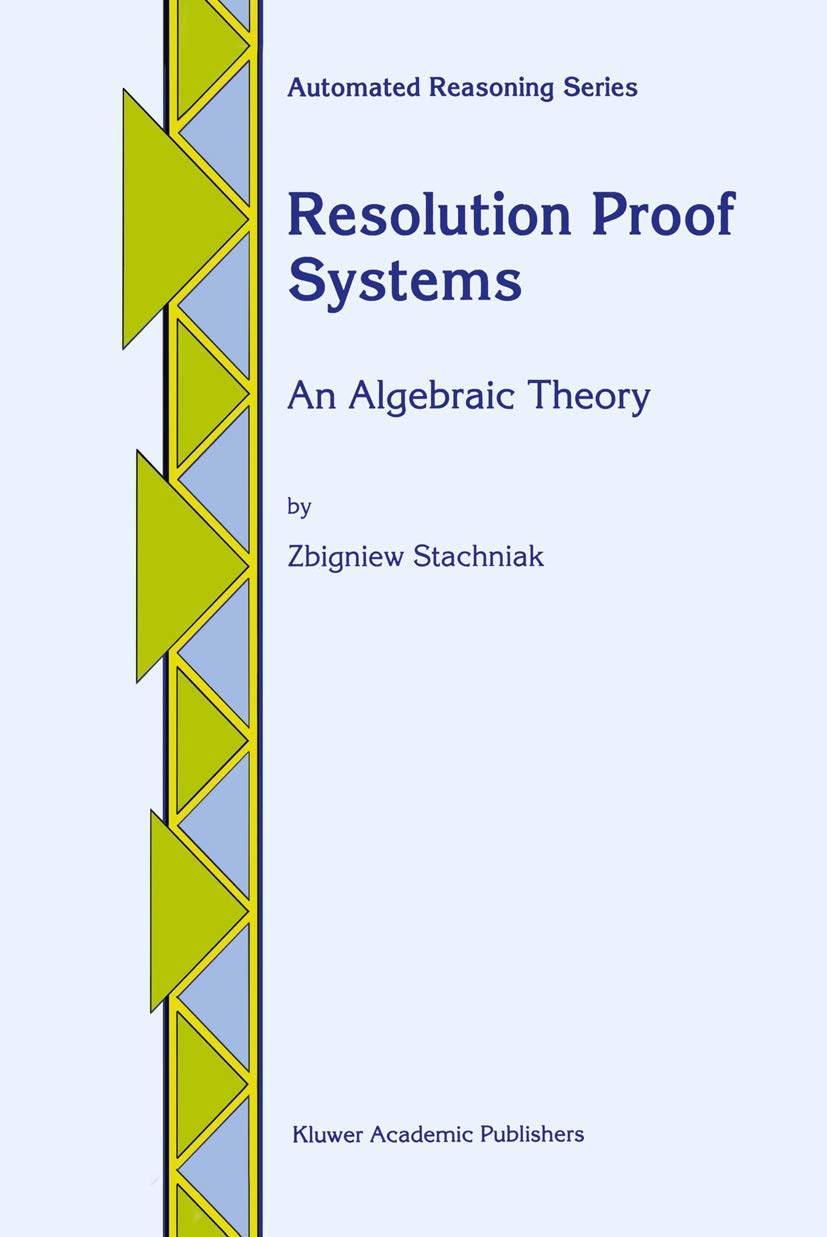
In this review of Resolution Proof Systems: An Algebraic Theory the bottom line is clear: this is a focused, research-level treatment for readers who need a rigorous algebraic framework for resolution-based reasoning. The book presents a concentrated theoretical account of proof theory, representation and the efficiency of deductive processes; its single biggest reason to buy is the introduction of an algebraic perspective that unifies design and analysis of resolution proof systems for both monotonic and nonmonotonic logics. The writing assumes familiarity with symbolic logic and automated reasoning techniques.
Key Features
- Algebraic framework: Develops a new algebraic theory that clarifies how resolution proof systems can be designed and analyzed across different logics.
- Resolution logics: Introduces the class of resolution logics and explains their role in relating logical calculi to operational proof systems.
- Proof theory focus: Examines problems of proof representation and structure to help readers understand deductive efficiency.
- Monotonic and nonmonotonic reasoning: Explores computational and logical aspects across both monotonic and nonmonotonic contexts for broader applicability.
- Research orientation: Targets researchers and graduate students with material suitable for advanced study and further work in automated reasoning.
Who It's For
This book is aimed primarily at researchers and graduate students in artificial intelligence, symbolic and computational logic who need a rigorous theoretical foundation for resolution-based systems. It will be most useful to readers already comfortable with formal proof theory and the basics of automated deduction who want an algebraic perspective.
Practitioners seeking quick implementation recipes or a gentle introduction to theorem proving should look elsewhere, since the material is dense and concentrated on conceptual and theoretical development rather than step-by-step coding guidance.
Pros & Cons
Pros
- Provides a coherent algebraic theory that unifies design and analysis of resolution proof systems.
- Clarifies the relationship between resolution logics and proof procedures for both monotonic and nonmonotonic reasoning.
- Useful as a research reference with detailed discussion of proof representation and deductive efficiency.
Cons
- Material is highly theoretical and may be challenging for readers without graduate-level background in logic.
Specifications
| Title | Resolution Proof Systems: An Algebraic Theory |
| Series | Automated Reasoning Series |
| Author / Brand | Z. Stachniak |
| Subject focus | Algebraic theory of resolution and resolution logics |
| Scope | Proof theory, representation, efficiency, monotonic and nonmonotonic reasoning |
| Intended audience | Researchers and graduate students in AI and computational logic |
Our Verdict
Resolution Proof Systems: An Algebraic Theory is a valuable, narrowly focused contribution for graduate students and researchers who need a rigorous algebraic account of resolution-based reasoning. It is good value as a theoretical reference, particularly for readers pursuing work in symbolic logic or automated deduction, but not the best starting point for novices.
Frequently Asked Questions
Is this book suitable for beginners?
No. The text assumes graduate-level familiarity with proof theory and formal logic and is geared toward researchers.
Does it cover implementations or coding?
The emphasis is theoretical; readers should not expect implementation guides or practical coding examples.
Which logics are treated?
The book addresses resolution logics and examines both monotonic and nonmonotonic reasoning in an algebraic framework.
Editor's Take
A rigorous, research-focused book that provides an algebraic framework for resolution-based reasoning, ideal for graduate students and researchers seeking a theoretical reference but not for beginners.

Recently viewed
Recently viewed products will appear here as customers browse the store.