

Restaurants and Dining Rooms Interior Architecture - Design
Restaurants and Dining Rooms Interior Architecture - Design
Price subject to change. Tap below for current.
Couldn't load pickup availability
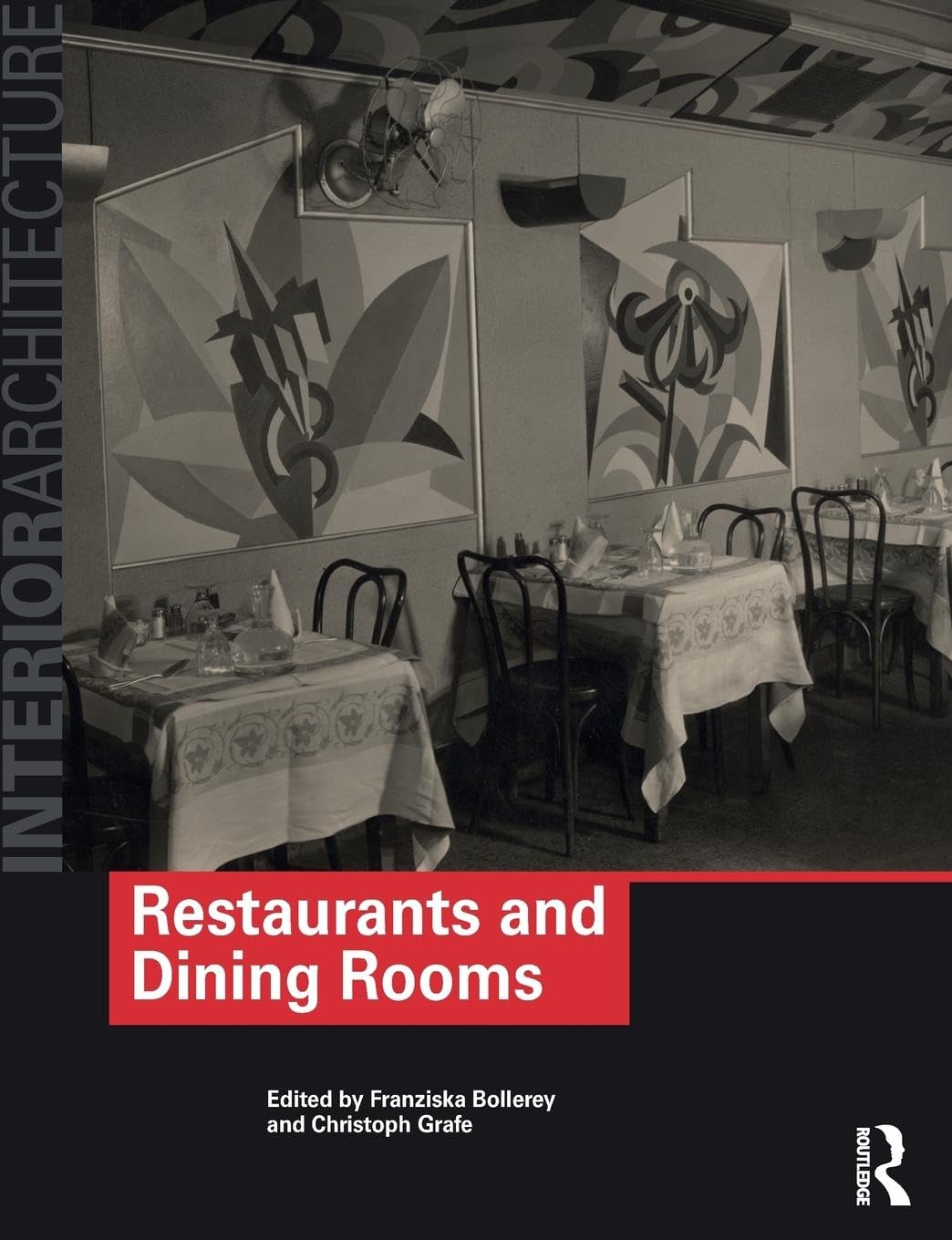
In this review of Restaurants and Dining Rooms (Interior Architecture), the book is assessed as a focused exploration of how restaurant design shapes social life. It is ideal for architecture students, interior designers and cultural historians seeking a thoughtful synthesis of theory and example, because the authors trace the evolution of dining spaces from the salons of the Ancien Regime to the modern metropolis and explain how design reflects changing ideals of comfort and sociability. The book's biggest appeal is its clear framing of restaurants as built environments that express broader urban and social shifts.
Key Features
- Historical scope: The book situates restaurant design in its historical context, showing how interiors evolved from pre-Revolutionary salons to modern establishments and why that matters for contemporary practice.
- Theoretical framing: It links architectural choices to cultural ideals of comfort, sociability and the good life, giving readers a conceptual lens for assessing interiors.
- Focus on urban life: The authors present restaurants as products of the modern metropolis, which helps readers understand how city life shaped consumption and meeting practices.
- Design and consumption link: The text examines how presentation of food and the act of public dining inform layout, materials and atmosphere, useful for practitioners planning dining environments.
- Illustrative narrative: Through examples and narrative, the book demonstrates how restaurants reflect changing notions of individuality and civic use of urban space.
Who It's For
Restaurants and Dining Rooms is best for architecture and interior design students, practicing designers, and cultural historians who want a concise critical account of how dining environments developed and why their appearance matters socially. The book is also suitable for hospitality professionals interested in the theory behind atmosphere and patron experience.
Readers seeking a step-by-step how-to manual, construction details, or a photo-heavy coffee-table volume should look elsewhere; this work emphasizes interpretation and historical argument over technical diagrams or exhaustive visual catalogues.
Pros & Cons
Pros
- Clear historical narrative that links design changes to social and urban developments.
- Thoughtful theoretical perspective useful for design critique and teaching.
- Concise focus on the relationship between presentation of food and interior atmosphere.
Cons
- Not a technical guide: it lacks construction-level details and extensive design drawings.
Specifications
| Title | Restaurants and Dining Rooms (Interior Architecture) |
| Authors | Franziska Bollerey, Christoph Grafe |
| Subject | Interior architecture and history of restaurant design |
| Focus | Design, social history, urban context |
| Approach | Theoretical and historical analysis of dining environments |
| Intended audience | Students, designers, cultural historians |
Our Verdict
Restaurants and Dining Rooms offers a focused, well-argued account of how restaurant interiors embody social ideals and urban change, making it a strong value for students and design professionals who need conceptual grounding. It is less useful for readers who want practical construction details or a heavily illustrated design manual.
Frequently Asked Questions
Does this book include practical design plans?
No. The book emphasizes historical and theoretical analysis rather than construction drawings or step-by-step plans.
Who wrote the book and what perspective do they bring?
Franziska Bollerey and Christoph Grafe bring an interior architecture perspective that links restaurant design to cultural and urban history.
Is this suitable for hospitality professionals?
Yes, particularly those interested in the conceptual and social dimensions of atmosphere and patron experience rather than technical build details.
Editor's Take
Restaurants and Dining Rooms delivers a focused, well-argued account of how restaurant interiors reflect social ideals and urban change, making it valuable for students and design professionals seeking conceptual insight.

Recently viewed
Recently viewed products will appear here as customers browse the store.