

Restoration of Boreal and Temperate Forests - Practical Restoration
Restoration of Boreal and Temperate Forests - Practical Restoration
Price subject to change. Tap below for current.
Couldn't load pickup availability
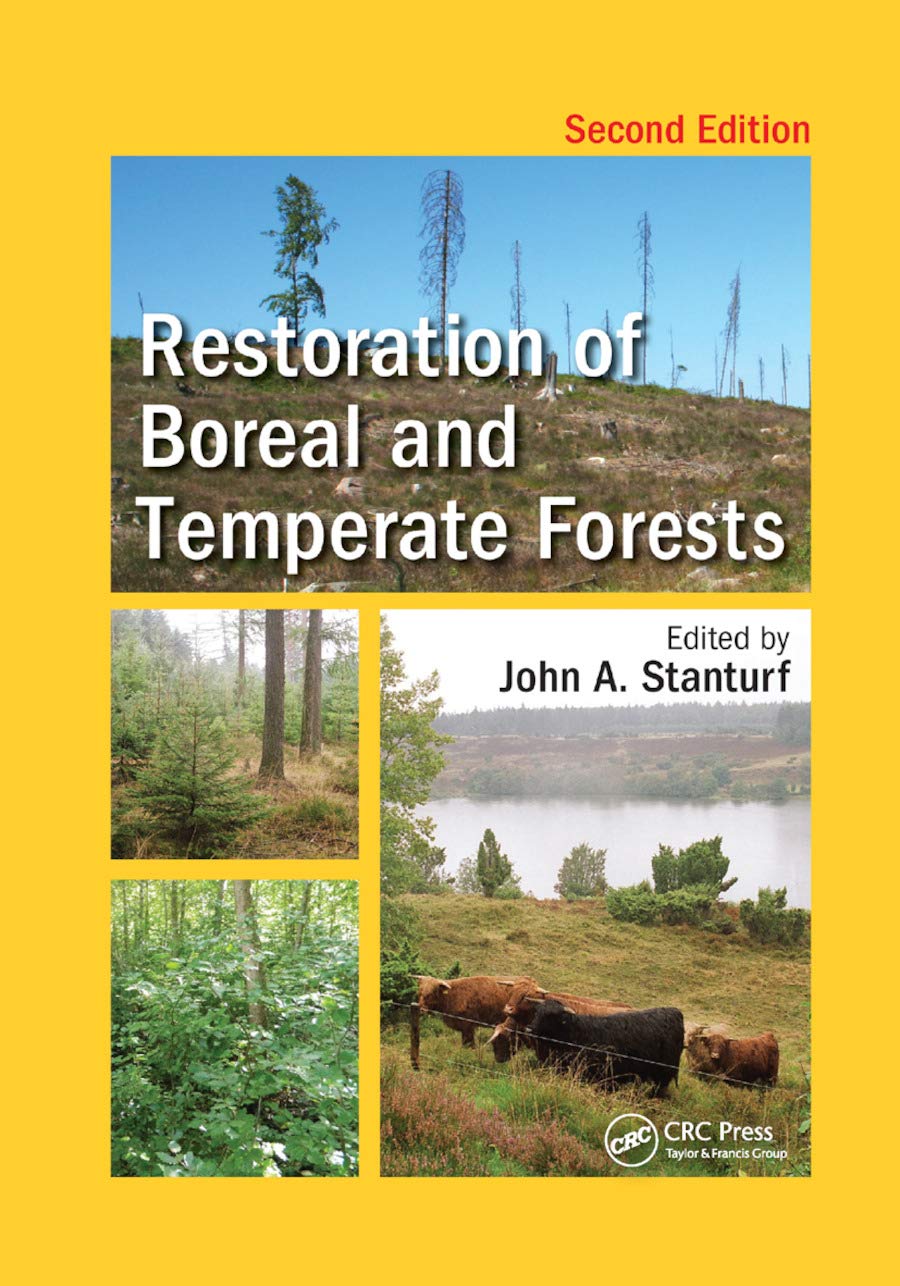
In this review of Restoration of Boreal and Temperate Forests, Second Edition, the bottom line is clear: this book is for conservation professionals, landscape ecologists and graduate students who need a thoughtful, geographic and policy-aware treatment of forest restoration. The reviewer found the volume valuable because it combines a clear historical context with a conceptual framework linking degradation to restoration, making it useful as both a reference and a teaching text. It reads like a curated set of review and case study chapters that explain why restoration matters and how to approach it in temperate and boreal zones.
Key Features
- Historical context: Presents a concise historical overview that helps readers understand how human actions shaped temperate and boreal forests over time.
- Conceptual framework: Defines terms and links degradation to restoration so practitioners can frame projects with consistent goals and metrics.
- Geographic coverage: Offers broad, cross-region perspectives that make the book relevant whether working in northern boreal landscapes or temperate forest systems.
- Review and case studies: Blends literature review chapters with concrete case studies so readers see both theory and real-world application.
- Social and policy context: Discusses social drivers and policy considerations, giving planners guidance on the nontechnical barriers and opportunities for restoration.
Who It's For
The book is best suited to restoration ecologists, land managers, graduate students and policymakers who need a synthesis of science, history and practice for temperate and boreal forest restoration. Its combination of review material and case studies makes it a practical classroom supplement and a reference for planning multi-scale restoration projects.
Those seeking a how-to field manual with step-by-step planting prescriptions or a handbook of nursery techniques should look elsewhere; this volume focuses on conceptual, historical and policy dimensions rather than detailed operational protocols.
Pros & Cons
Pros
- Comprehensive historical framing helps readers understand long-term drivers of forest degradation.
- The conceptual framework and clear definitions aid consistent project design and communication across teams.
- Case studies provide practical examples that illustrate how theory is applied in different regions.
- Includes social and policy discussion relevant to real-world restoration planning.
Cons
- Not a detailed field manual for operational restoration tasks, so users needing step-by-step techniques will need supplementary guides.
Specifications
| Title | Restoration of Boreal and Temperate Forests, Second Edition |
| Editor/Author | John A. Stanturf |
| Focus | Forest restoration in temperate and boreal zones |
| Content types | Review chapters and case studies |
| Contexts covered | Historical, conceptual, social and policy |
| Use cases | Reference, teaching, restoration planning |
Our Verdict
Restoration of Boreal and Temperate Forests is a strong value for professionals and students who need a rigorous, context-rich synthesis of forest restoration science and policy. It is especially useful where planners must link history, conceptual models and case studies to design or evaluate restoration efforts, though practitioners wanting operational field instructions should pair it with a technical manual.
Frequently Asked Questions
Does this book cover both temperate and boreal regions?
Yes. The volume explicitly addresses restoration across temperate and boreal zones with broad geographic coverage and comparative case studies.
Is it suitable as a textbook for graduate courses?
Yes. Its mix of review chapters and case studies, plus conceptual framing, makes it well suited for graduate-level courses on restoration ecology and land management.
Will it teach field planting and nursery techniques?
No. The book emphasizes history, concepts and policy rather than step-by-step field techniques, so users should consult technical manuals for operational guidance.
Editor's Take
A thoughtful, context-rich synthesis of forest restoration science and policy that suits restoration professionals and students seeking historical perspective, conceptual clarity and case-study lessons; pair with operational manuals for field techniques.

Recently viewed
Recently viewed products will appear here as customers browse the store.