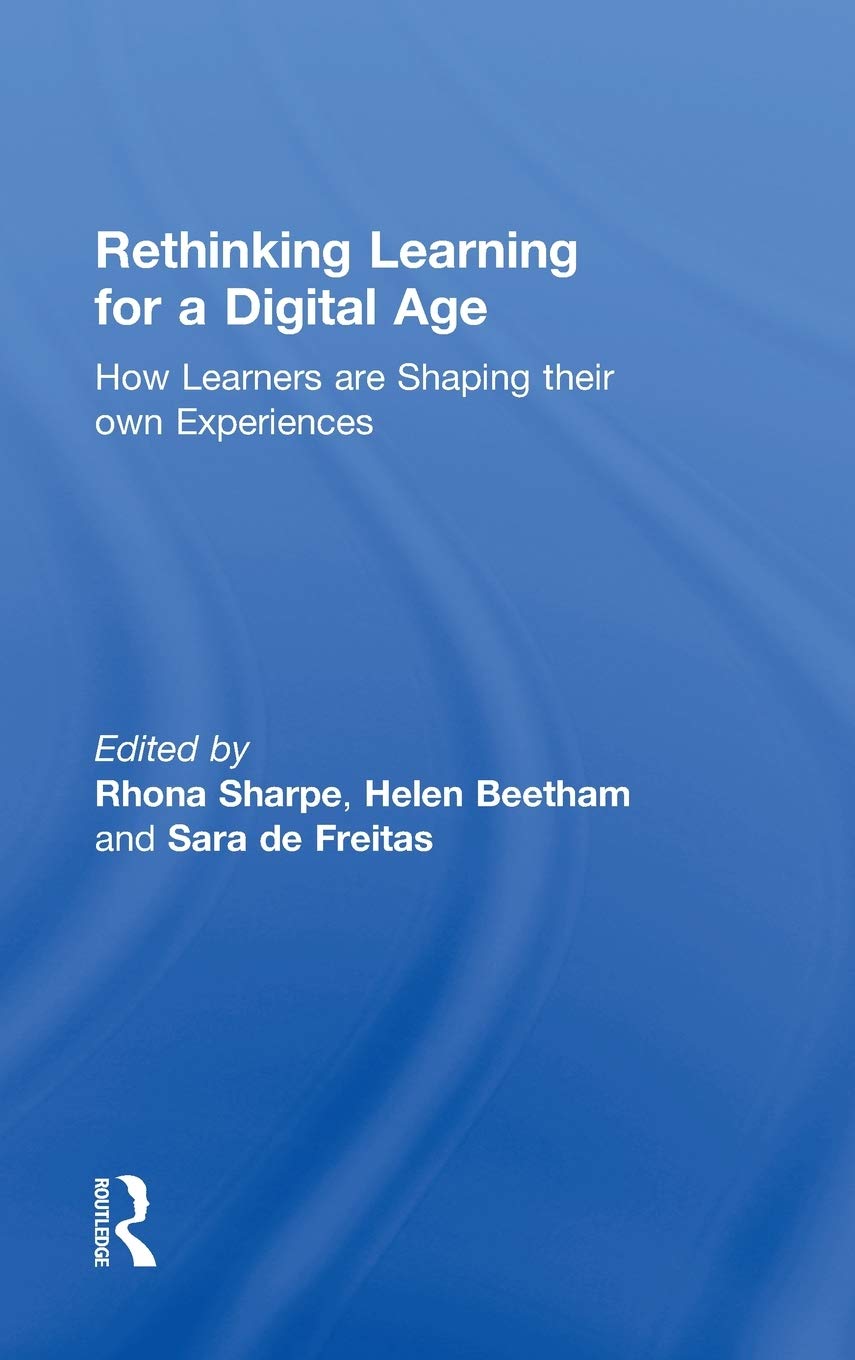
Rethinking Learning for a Digital Age: A Comprehensive Guide
Rethinking Learning for a Digital Age: A Comprehensive Guide
Price subject to change. Tap below for current.
Couldn't load pickup availability
In today's fast-paced world, rethinking learning is essential for educators and students alike. The book, Rethinking Learning for a Digital Age, offers a fresh perspective on how technology influences education. With contributions from experts like Rhona Sharpe, Helen Beetham, and Sara de Freitas, this guide is a must-read for anyone interested in modern pedagogy.
The authors delve into the impact of digital tools on learning environments, providing insights that are both practical and theoretical. They explore how these tools can enhance student engagement and facilitate deeper learning experiences. This book is not just about technology; it's about how to effectively integrate it into teaching practices.
One of the standout features of this book is its focus on collaborative learning. The authors emphasize the importance of social interaction in the learning process, demonstrating how digital platforms can foster collaboration among students. This approach not only enhances learning outcomes but also prepares students for the collaborative nature of the modern workplace.
Moreover, the book addresses the challenges that come with digital literacy. As technology evolves, so do the skills required to navigate it effectively. The authors provide strategies for educators to help students develop these essential skills, ensuring they are well-equipped for the future.
Another key aspect discussed is the role of assessment in digital learning. The authors argue that traditional assessment methods may not be sufficient in a digital context. They propose innovative assessment techniques that align with the capabilities of digital tools, allowing for a more accurate evaluation of student progress.
Rethinking Learning for a Digital Age also highlights the importance of personalized learning. The authors advocate for tailored educational experiences that cater to individual student needs, leveraging technology to create customized learning paths. This approach not only enhances student motivation but also leads to better educational outcomes.
In conclusion, this book serves as a vital resource for educators, administrators, and policymakers. It challenges conventional thinking and encourages a shift towards a more integrated approach to digital education. By embracing the insights provided by Sharpe, Beetham, and de Freitas, readers will be better prepared to navigate the complexities of teaching and learning in the digital age.
Share