

Revolution and World Politics: The Rise and Fall of the Sixth Great
Revolution and World Politics: The Rise and Fall of the Sixth Great
Price subject to change. Tap below for current.
Couldn't load pickup availability
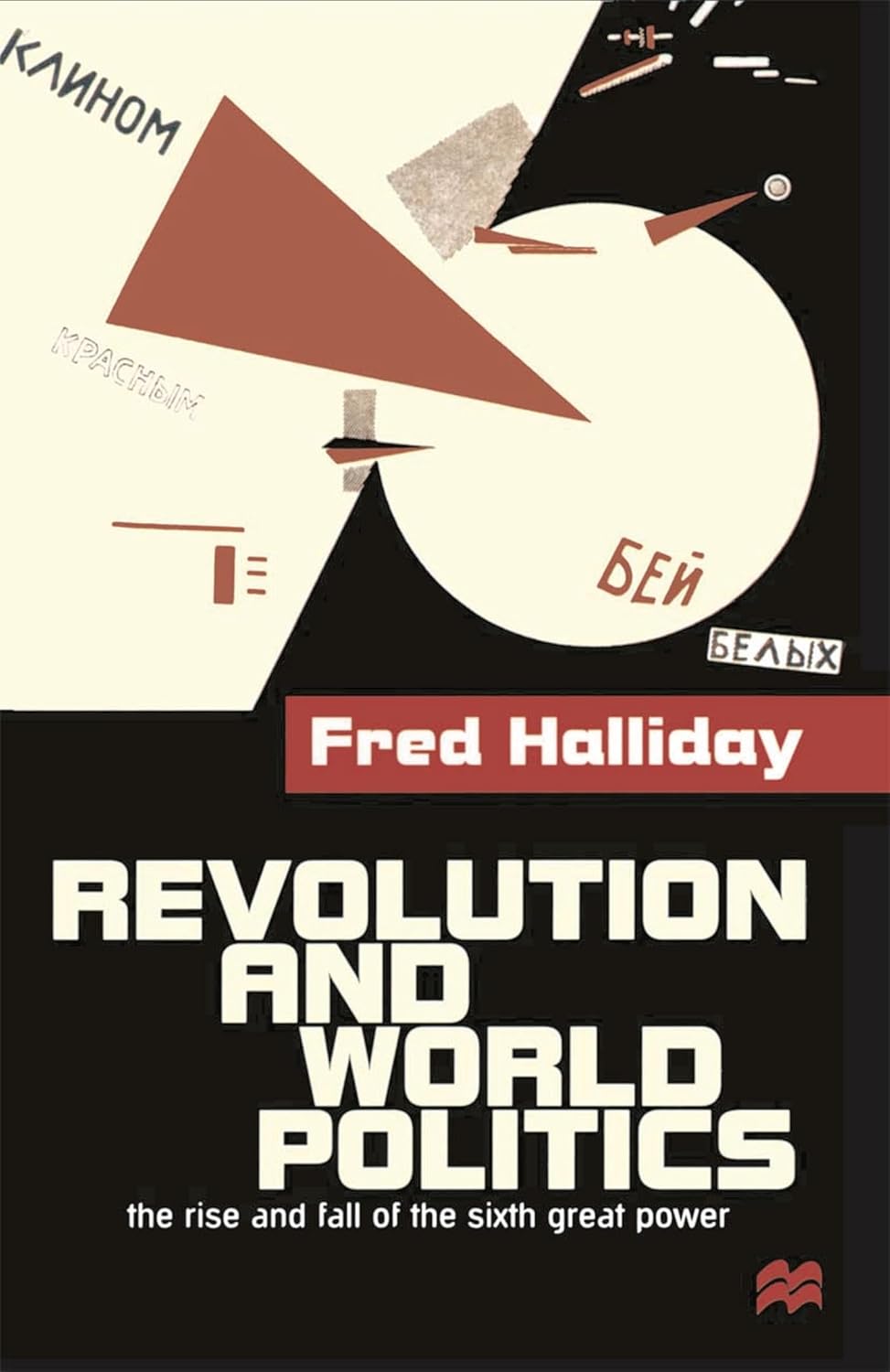
In this review of Revolution and World Politics readers will find a focused examination of how revolutions interact with international relations; the book is best suited to students and scholars who want a thematic, argumentative account rather than a narrative history. Fred Halliday places the international politics of revolution at the centre of analysis, arguing that revolutions have shaped world affairs as decisively as war, nationalism or ideology, and the single biggest reason to buy is its sustained linking of revolutionary causes to global consequences in concise, analytical prose.
Key Features
- International focus: The book treats revolution as an international phenomenon, helping readers see how domestic upheavals resonate beyond borders.
- Theoretical framing: Halliday consistently connects events to broader questions in world politics, supporting readers who need conceptual tools for study or teaching.
- Comparative approach: By treating multiple cases and tendencies together, the book clarifies patterns and distinctions across different revolutionary movements.
- Concise argument: The writing concentrates on cause, ideology and consequence, making the central thesis accessible without lengthy narrative digressions.
- Historical perspective: Readers receive a long view on how revolutions have shaped modern history, useful for contextualizing contemporary events.
Who It's For
This book is aimed at undergraduate and graduate students of political science, international relations and history who need a compact, argument-driven text that foregrounds the link between revolution and global politics. It will also suit researchers and lecturers looking for a clear statement on how revolutionary movements have influenced interstate relations and ideological formations.
Those seeking a richly detailed chronological history, a popular narrative of individual revolutions, or a handbook of primary documents should look elsewhere; Halliday's work favors analytical synthesis over exhaustive case-by-case storytelling.
Pros & Cons
Pros
- Offers a strong and consistent international perspective that reframes revolution as a matter of world politics.
- Clear theoretical links make it useful as a secondary text in courses on political theory and international relations.
- Concise presentation helps readers extract the central argument without wading through excessive detail.
Cons
- The book's emphasis on synthesis means it is less useful for readers seeking detailed chronological narratives or extensive primary-source material.
Specifications
| Title | Revolution and World Politics: The Rise and Fall of the Sixth Great Power |
| Author | Fred Halliday |
| Subject | Revolution in international relations and modern history |
| Approach | Theoretical and comparative analysis |
| Intended audience | Students, researchers and lecturers in political science and history |
| Focus | Cause, ideology and consequence of revolutions in world politics |
Our Verdict
Revolution and World Politics is a compact, thoughtful contribution that convincingly places revolution within the study of international relations; it is good value for readers who need conceptual clarity and a comparative lens on how revolutions shape global affairs. Academics and advanced students will find it especially useful as a course text or reference for framing research questions.
Frequently Asked Questions
Does this book cover specific revolutions in detail?
It emphasizes comparative and theoretical analysis rather than exhaustive case-by-case narrative, so individual events receive selective treatment to support the central argument.
Is this suitable for undergraduate courses?
Yes, it works well as a secondary text for undergraduates and as a clearer conceptual guide for graduate seminars in world politics.
Will it help with research on contemporary revolutions?
It provides a useful conceptual framework for linking contemporary uprisings to international effects, though researchers may need complementary sources for empirical detail.
Editor's Take
A concise, theory-driven book that convincingly links revolutions to international relations; best for students and researchers seeking conceptual clarity and comparative analysis.

Recently viewed
Recently viewed products will appear here as customers browse the store.