

Rigid Flexibility: The Logic of Intelligence - Applied Logic
Rigid Flexibility: The Logic of Intelligence - Applied Logic
Price subject to change. Tap below for current.
Couldn't load pickup availability
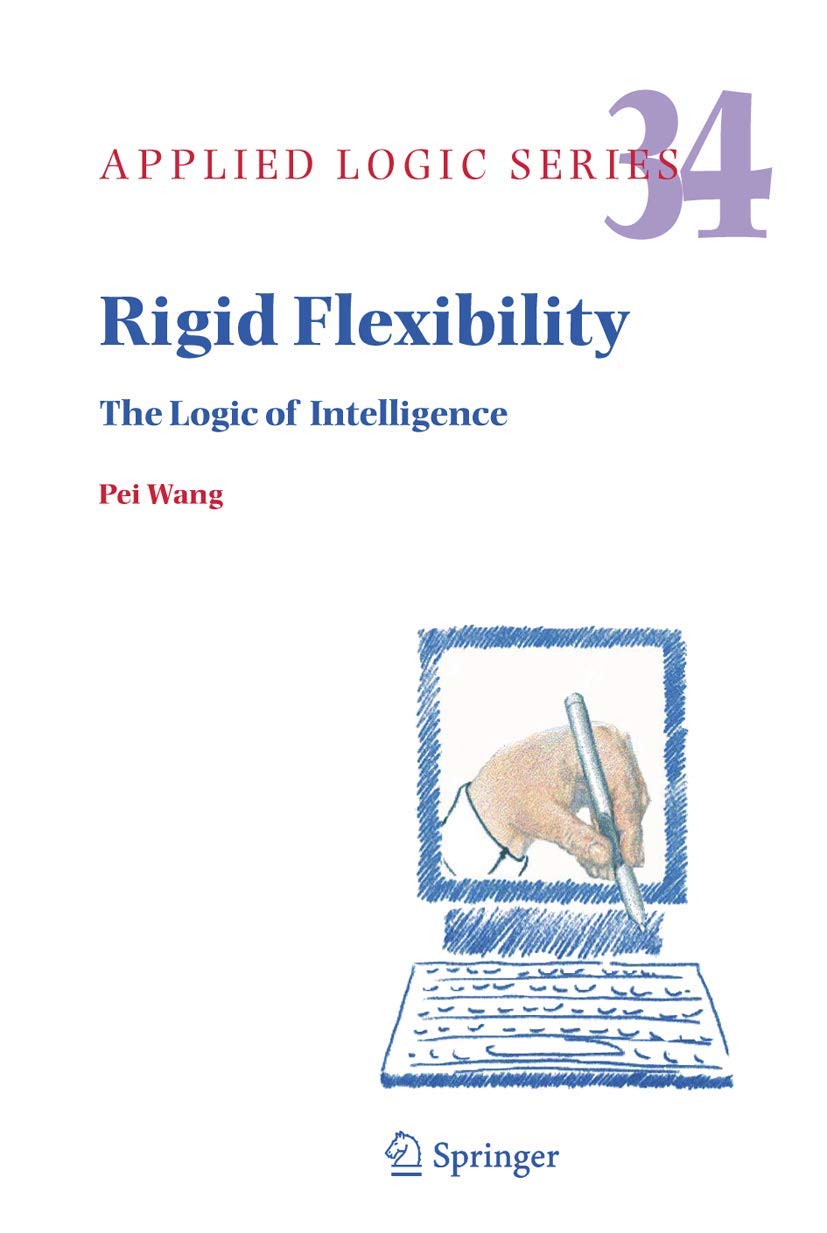
In this review the focus is on Rigid Flexibility: The Logic of Intelligence, a technical book that documents the Non-Axiomatic Reasoning System (NARS) project. This book is best for readers who want a thorough, unified account of an alternative route to artificial intelligence rather than fragmented topical papers. The single biggest reason to buy is its comprehensive treatment of NARS across philosophy, methodology, and design, which makes it a useful reference for researchers, advanced students, and developers who want to understand a whole-system approach to intelligence rather than isolated algorithms.
Key Features
- Comprehensive coverage: Presents decades of work on the Non-Axiomatic Reasoning System so readers can trace the project from foundation to current conceptual design.
- Philosophical foundation: Explains the underlying philosophical and methodological considerations that guided the development of NARS, useful for contextualizing technical choices.
- Conceptual design detail: Describes design elements and architecture details so practitioners can see how components fit together in a whole-system intelligence proposal.
- Cross-disciplinary implications: Discusses relationships to cognitive science and related fields, helping readers situate NARS among other models of cognition.
- Comparative analysis: Highlights similarities and differences with other AI approaches, aiding readers who want to evaluate NARS relative to mainstream work.
Who It's For
This book is aimed at researchers in artificial intelligence, graduate students studying cognitive architectures, and developers interested in non-standard reasoning frameworks; it assumes a willingness to engage with conceptual and philosophical material as well as system design. It also serves as a reference for those comparing whole-system approaches to the more common narrowly focused AI techniques.
Readers seeking a quick tutorial, a hands-on programming manual, or an introductory overview of modern machine learning algorithms should look elsewhere, because the text emphasizes comprehensive conceptual description and long-term project rationale rather than beginner-friendly code samples or short-form introductions.
Pros & Cons
Pros
- Provides an integrated, in-depth account of a decades-long research program, offering rare breadth for a single-volume treatment.
- Carefully articulates the philosophical and methodological foundations that inform the system design, which supports critical evaluation.
- Compares NARS to related work in cognitive science and AI, helping place it in context for specialists.
Cons
- The book is dense and conceptually heavy, so readers wanting practical code or a quick introduction may find it challenging.
Specifications
| Title | Rigid Flexibility: The Logic of Intelligence |
| Series | Applied Logic Series, 34 |
| Author | Pei Wang |
| Scope | Non-Axiomatic Reasoning System (NARS) project overview |
| Coverage | Philosophy, methodology, conceptual design, implications, comparisons |
| Audience | Researchers, advanced students, AI system designers |
Our Verdict
Rigid Flexibility is a substantial, unified account of an alternative AI program that rewards readers who want depth and a whole-system perspective. For researchers and advanced learners it is good value as a reference and conceptual guide, but those seeking light introductions or code-first manuals should consider other titles.
Frequently Asked Questions
Does this book include practical code examples?
No. The book focuses on conceptual design, philosophy, and system-level description rather than programming tutorials.
Is prior AI knowledge required?
While not strictly required, familiarity with AI concepts and cognitive science will help readers absorb the book's detailed discussions.
What distinguishes NARS from mainstream AI approaches?
The author frames NARS as a whole-system, non-axiomatic approach that addresses intelligence broadly rather than concentrating on individual algorithmic components.
Editor's Take
Rigid Flexibility is a thorough, concept-focused treatment of the Non-Axiomatic Reasoning System that serves as a valuable reference for researchers and advanced students seeking a whole-system perspective on artificial intelligence.

Recently viewed
Recently viewed products will appear here as customers browse the store.