

Riots and Pogroms - Comparative Studies for Scholars
Riots and Pogroms - Comparative Studies for Scholars
Price subject to change. Tap below for current.
Couldn't load pickup availability
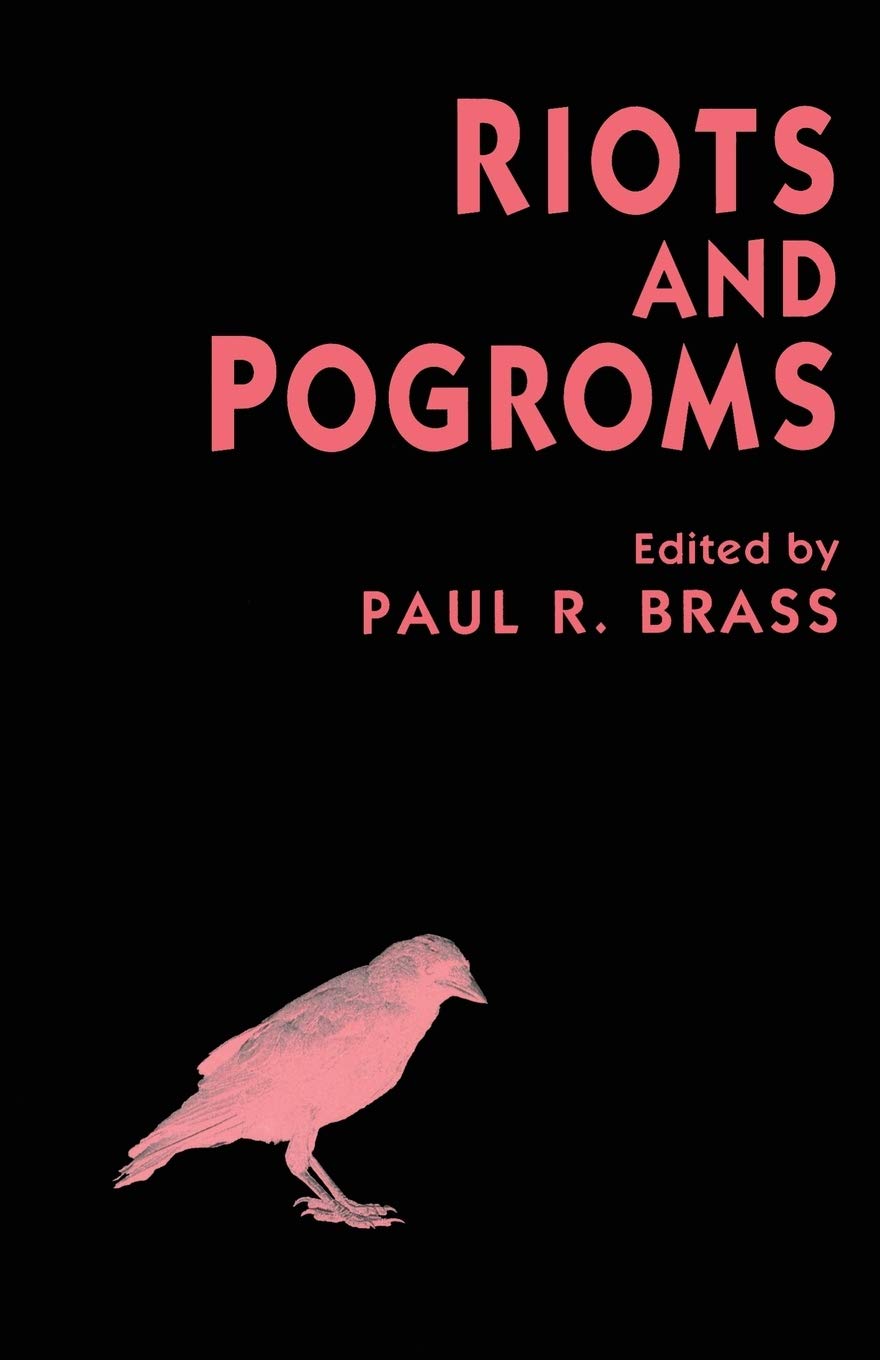
In this review of Riots and Pogroms the editor Paul R. Brass presents a focused, comparative examination of riotous episodes across the twentieth century. The book is best for graduate students, researchers, and informed readers wanting a careful account of how events in Russia, Germany, Israel, India, and the United States are later interpreted and represented. The single biggest reason to read it is the book's emphasis on the post-event struggle over meaning rather than on causation, which makes it a thoughtful resource for those studying race relations and the politics of memory.
Key Features
- Comparative scope: Chapters compare episodes in five countries to highlight common patterns in how societies interpret riots and pogroms.
- Historical framing: The book provides a historical introduction that situates each case in its twentieth-century context for clearer analysis.
- Analytical focus: Contributors concentrate on the interpretive process, showing how competing narratives shape public understanding of violent events.
- Editorial cohesion: The editor organizes diverse essays around the single theme of representation, making the volume consistent and purposeful.
- Interdisciplinary appeal: The work speaks to sociology, political science, and history audiences interested in discrimination & racism and collective violence.
Who It's For
Researchers and graduate students studying sociology, race relations, or modern political history will find this collection particularly useful because it foregrounds interpretive contests that follow violent events. Instructors teaching upper-level seminars on comparative social violence can use selected chapters as case studies.
Readers looking for a narrative account focused on eyewitness detail or a primer on causes of riots should look elsewhere; this book is not a general-interest history but a focused scholarly collection about representation and interpretation.
Pros & Cons
Pros
- Clear comparative framework that helps readers examine similarities and differences across five national contexts.
- Strong editorial introduction that provides historical and analytical orientation for the essays that follow.
- Useful for interdisciplinary study, connecting sociology, politics, and history in discussions of race relations.
Cons
- Not designed as a causal study of why riots occur, so readers seeking explanations of origins may be disappointed.
Specifications
| Title | Riots and Pogroms |
| Editor / Author | Paul R. Brass |
| Geographic scope | Russia, Germany, Israel, India, United States |
| Century covered | Twentieth century |
| Primary focus | Interpretive process and representation of riotous events |
| Intended audience | Scholars, graduate students, instructors |
Our Verdict
Riots and Pogroms is a compact, thoughtful scholarly collection that delivers real value for those studying the representation of collective violence. It excels as a comparative, analytical volume on discrimination & racism and is worth acquiring for research libraries or course syllabi, though readers seeking causal narratives should supplement it with other works.
Frequently Asked Questions
Does this book explain why riots happen?
The volume focuses on post-event interpretation rather than establishing causal explanations.
Which countries are studied?
Essays compare episodes in Russia, Germany, Israel, India, and the United States over the twentieth century.
Who edited the collection?
The book is edited by Paul R. Brass and organized around a comparative analytical introduction.
Editor's Take
Riots and Pogroms is a focused comparative collection that examines how twentieth-century riotous events are represented; it is recommended for researchers and graduate seminars as a valuable analytical resource.

Recently viewed
Recently viewed products will appear here as customers browse the store.