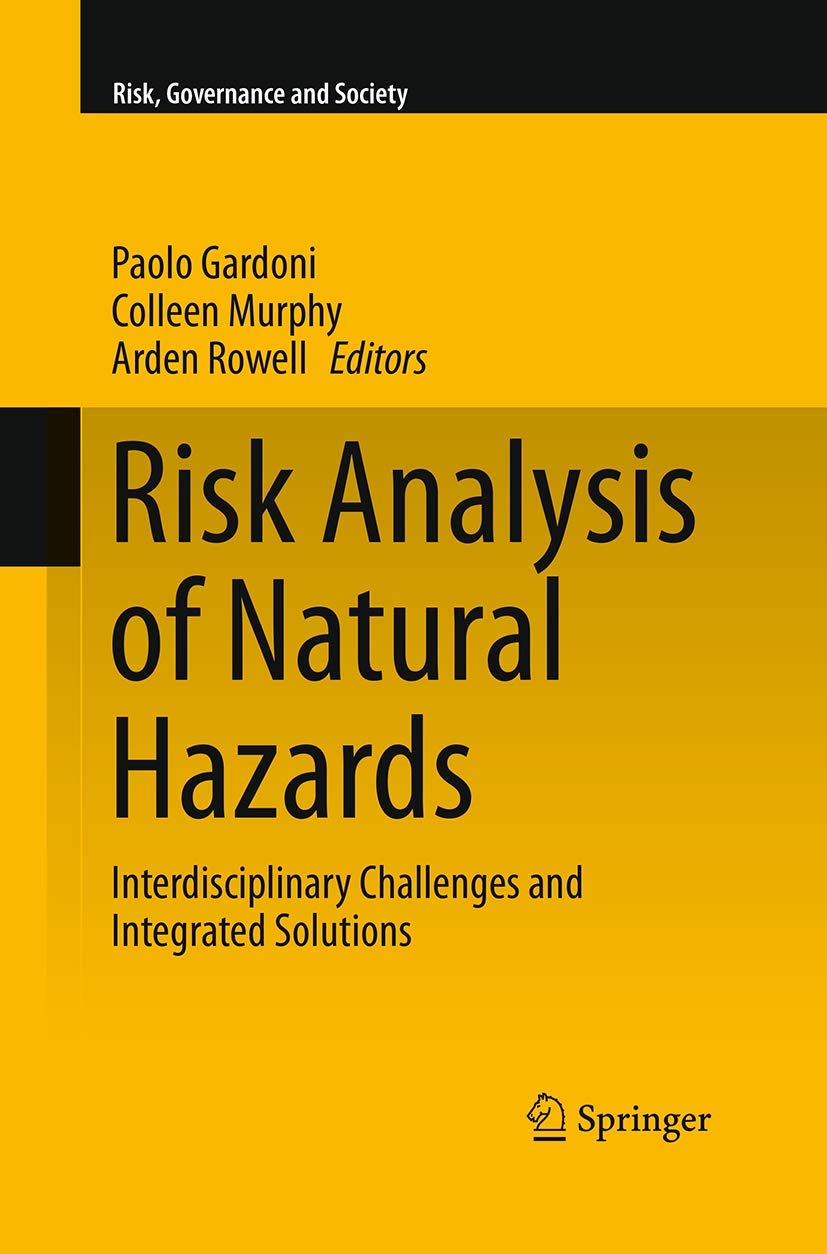
Risk Analysis of Natural Hazards: Interdisciplinary Challenges
Risk Analysis of Natural Hazards: Interdisciplinary Challenges
Price subject to change. Tap below for current.
Couldn't load pickup availability
The book Risk Analysis of Natural Hazards provides a comprehensive examination of the interdisciplinary challenges faced in understanding and managing natural hazards. Authored by experts in the field, this volume delves into the complexities of risk governance and societal impacts, making it an essential read for professionals and academics alike.
One of the standout features of this book is its focus on integrated solutions to natural hazards. The authors emphasize the importance of collaboration across various disciplines, highlighting how different fields can contribute to more effective risk management strategies. This approach is crucial in today's world, where the frequency and intensity of natural disasters are on the rise.
Each chapter is meticulously crafted to address specific aspects of risk analysis, from theoretical frameworks to practical applications. The inclusion of case studies throughout the text provides real-world context, allowing readers to see how interdisciplinary approaches can lead to successful outcomes in disaster management.
The book also discusses the role of technology in enhancing our understanding of natural hazards. With advancements in data collection and analysis, professionals can now utilize innovative tools to assess risks more accurately. This technological integration is a game-changer for the field, offering new avenues for research and application.
Furthermore, the authors tackle the social dimensions of risk, exploring how community engagement and public perception influence disaster preparedness and response. By addressing these social factors, the book underscores the necessity of involving local populations in the risk management process, ensuring that solutions are both effective and culturally sensitive.
Another significant aspect of the book is its discussion on policy implications. The authors provide insights into how policymakers can utilize the findings from risk analysis to create more resilient communities. By understanding the governance challenges associated with natural hazards, stakeholders can develop policies that not only mitigate risks but also promote sustainable development.
In summary, Risk Analysis of Natural Hazards is a vital resource for anyone involved in the field of risk management. Its interdisciplinary approach, combined with practical insights and case studies, makes it a valuable addition to the literature. Whether you are a researcher, practitioner, or student, this book will equip you with the knowledge and tools necessary to tackle the challenges posed by natural hazards.
Share