

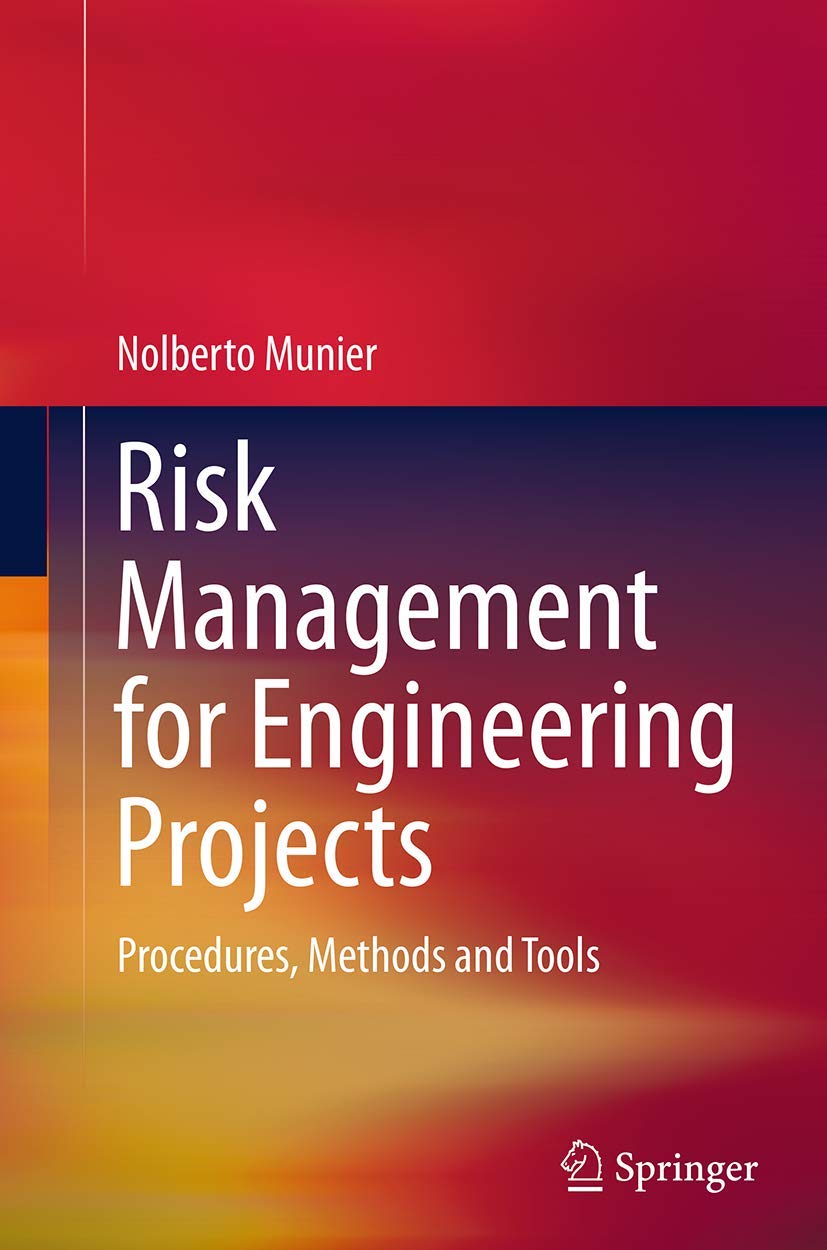
Risk Management for Engineering Projects: Procedures, Methods
Risk Management for Engineering Projects: Procedures, Methods
Price subject to change. Tap below for current.
Couldn't load pickup availability
In this review of Risk Management for Engineering Projects: Procedures, Methods and Tools the bottom line is simple: engineers and project managers who need a thorough, process-driven approach to identifying and controlling project risks will find this book practical and methodical. It covers the full lifecycle of risk management and emphasizes measurable techniques for identification, assessment and mitigation, making it valuable for teams that must translate uncertainty into concrete control measures. The review highlights the book's focus on methodology and case studies as the single biggest reason to buy.
Key Features
- Comprehensive process coverage: The book walks through the entire risk management cycle so readers can apply a consistent procedure from identification to control.
- Structured assessment methods: It explains probability, relative importance and risk breakdown structures to help rank and prioritize threats systematically.
- Quantification and impact evaluation: Readers get practical approaches for quantifying risks and evaluating impacts on completion time and total costs.
- Sensitivity analysis guidance: The text outlines how to test the influence of uncertain parameters so project outcomes can be better forecasted.
- Case studies across engineering disciplines: Real-world examples discuss safety, environmental and societal factors to show methods applied to varied project types.
- Control and mitigation measures: The author describes how to implement preventive or corrective measures and establish control mechanisms for ongoing risk management.
Who It's For
This book is ideal for practicing civil, mechanical and systems engineers, project managers and risk analysts who need a procedural reference for managing threats in complex engineering projects. It suits readers who prefer methodical, step-by-step frameworks and want to apply quantitative and qualitative tools to schedule and cost risk.
It is less suited to readers seeking a brief overview or a primer for nontechnical audiences; those looking for a high-level business risk handbook without engineering detail should look elsewhere. Likewise, casual readers expecting a narrative or historical treatment of risk management will find the coverage technical and focused on application.
Pros & Cons
Pros
- Clear, end-to-end process orientation makes implementation straightforward for teams.
- Practical assessment tools such as probability measures and risk breakdown structure aid prioritization.
- Case studies provide concrete examples that bridge theory and practice across engineering contexts.
- Sensitivity analysis content helps quantify how uncertain inputs affect schedules and costs.
Cons
- The book is technical and procedure-focused, so nontechnical readers may find it dense.
- It emphasizes methods and tools rather than narrative or broad management theory, which may limit appeal to those wanting conceptual overviews.
Specifications
| Title | Risk Management for Engineering Projects: Procedures, Methods and Tools |
| Author | Nolberto Munier |
| Scope | Entire risk management process from identification to control |
| Key techniques | Identification, probability assessment, risk breakdown structure, sensitivity analysis |
| Applications | Engineering project safety, environmental and societal impact, schedule and cost risk |
| Includes | Case studies and examples across a wide spectrum of engineering projects |
Our Verdict
Risk Management for Engineering Projects is a practical, methodical resource for engineers and project managers who need concrete procedures and quantitative tools to manage project uncertainty. Its case studies and emphasis on measurable assessment deliver good value for teams implementing formal risk processes, though readers seeking a lightweight introduction or a broad management treatise should consider other options.
Frequently Asked Questions
Does this book explain how to quantify project risks?
Yes; it covers quantification methods and impact evaluation for completion time and total cost.
Are there practical examples included?
Yes; the author includes case studies across engineering projects that illustrate the methods in practice.
Is this suitable for nontechnical managers?
It is technical and procedure-focused, so nontechnical managers may find it dense and better suited to readers with engineering or project experience.
Editor's Take
A practical, methodical resource for engineers and project managers who need concrete procedures and quantitative tools to identify, assess and control project risks; good value for teams implementing formal risk processes.

Recently viewed
Recently viewed products will appear here as customers browse the store.