Regular price
$120.00 USD
Price subject to change. Tap below for current.
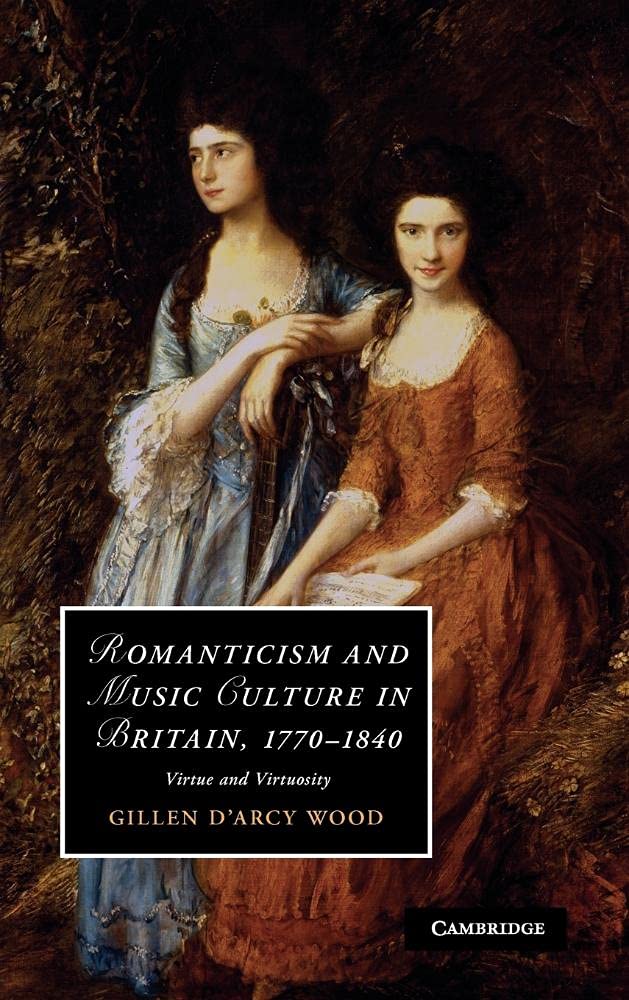
The book Romanticism and Music Culture in Britain explores the intricate relationship between music and the cultural landscape of Britain during the Romantic period. Covering the years from 1770 to 1840, this scholarly work delves into how music influenced and reflected the societal values of the time.
Written by Gillen D'Arcy Wood, this volume is part of the esteemed Cambridge Studies in Romanticism series. It provides a comprehensive analysis of how music served as a medium for expressing virtue and virtuosity in a rapidly changing society. The author meticulously examines various musical forms and their connection to the broader cultural movements of the era.
One of the key themes in this book is the exploration of how music was perceived as a form of artistic expression that transcended mere entertainment. Wood argues that during this period, music became a vital component of cultural identity, shaping and reflecting the values of the British populace.
The book also highlights significant composers and musicians of the time, providing insights into their contributions to the music scene. By analyzing their works, readers gain a deeper understanding of how these figures embodied the ideals of Romanticism and influenced public perception of music.
In addition to individual artists, the text discusses the role of music in various social contexts, including its impact on political movements and public gatherings. Wood illustrates how music was not only a source of entertainment but also a powerful tool for social change, resonating with the aspirations of the people.
Throughout the book, the author employs a rich array of historical sources, making it an invaluable resource for scholars and enthusiasts alike. The detailed footnotes and bibliographic references provide a solid foundation for further research into the cultural significance of music during this transformative period.
Overall, Romanticism and Music Culture in Britain is a must-read for anyone interested in the intersection of music and culture. It offers a nuanced perspective on how music shaped and was shaped by the Romantic ethos, making it an essential addition to the library of any musicologist or historian.