

Ryokan - Intimate Look at Kurokawa Onsen Inn Life Chris
Ryokan - Intimate Look at Kurokawa Onsen Inn Life Chris
Price subject to change. Tap below for current.
Couldn't load pickup availability
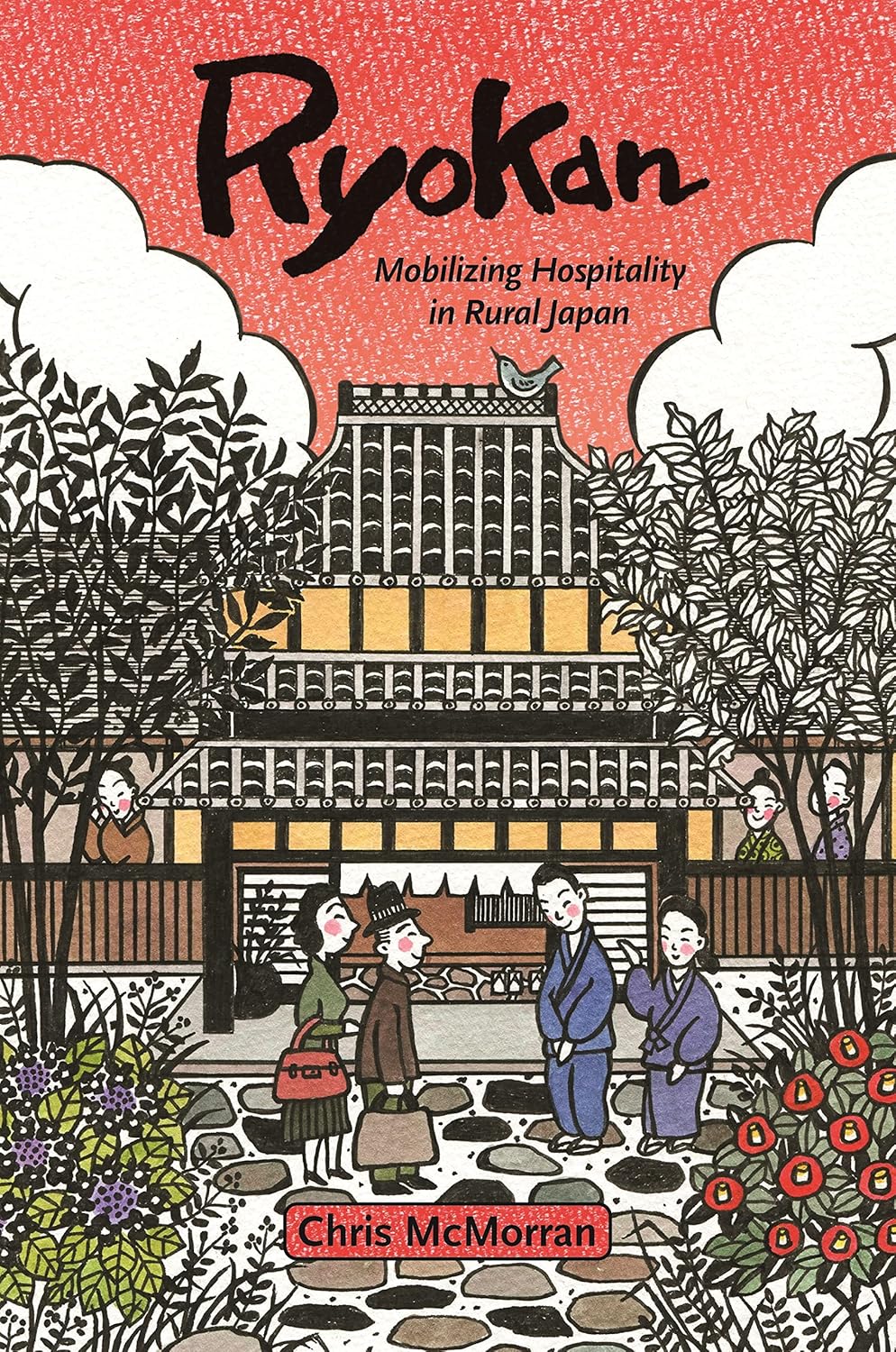
In this review of Ryokan, Chris McMorran offers an intimate, boots-on-the-ground portrait of life and work in Kurokawa Onsen's traditional inns. This book is for readers who want ethnographic detail and human stories rather than glossy travel snapshots; its biggest strength is the author's long immersion, including a year spent performing the same chores as staff, which gives the narrative authenticity and a clear view of how ryokan sustain rural community life. The review highlights why travel readers and social observers will find the book revealing.
Key Features
- Deep immersion: McMorran spent nearly two decades researching ryokan with a full year living and working in the inns, which provides unusually detailed firsthand accounts.
- Focus on Kurokawa Onsen: The book concentrates on one hot springs village, making the social and economic dynamics easier to follow and richer in local color.
- Day-to-day labor detail: Descriptions of carrying luggage, scrubbing baths, cleaning rooms, and washing dishes give a clear sense of the physical routines behind hospitality.
- Community perspective: The narrative connects the inns to wider trends by showing how ryokan have encouraged young people to return and revive village life.
- Balanced scrutiny: McMorran does not romanticize the subject, addressing celebrated practices alongside messy and exploitative aspects of the work.
Who It's For
Ryokan is best for readers interested in Japan beyond tourist guidebooks, especially those curious about rural recovery, local economies, and traditional hospitality practices. Ethnography fans and travel writers will appreciate the careful reporting and granular descriptions of daily labor.
Those seeking a practical travel guide, pictorial coffee-table book, or a quick overview may want to look elsewhere; this is a reflective, documentary-style work rooted in fieldwork and personal observation rather than lists of sights or itineraries.
Pros & Cons
Pros
- Rich firsthand reporting makes the life of ryokan staff tangible and credible.
- Concentrated focus on Kurokawa Onsen illuminates how a small village sustains tourism and community revival.
- Honest treatment of both positive hospitality traditions and the work's darker or exploitative sides adds nuance.
Cons
- The narrow focus and ethnographic tone may feel slow or dense for readers seeking a light travel read.
Specifications
| Product | Ryokan |
| Author | Chris McMorran |
| Subject | Kurokawa Onsen and traditional Japanese inns |
| Research duration | Nearly two decades with a full year of on-site work |
| Focus | Daily labor, hospitality practices, community revival |
| Style | Ethnographic narrative and firsthand reporting |
Our Verdict
Ryokan is a valuable read for anyone who wants a serious, empathetic look at how traditional inns operate and impact a rural Japanese village. Its long-term immersion and candid perspective make it good value for readers who prefer depth and human detail over travel tips or glossy images.
Frequently Asked Questions
Does the book describe everyday work in ryokan?
Yes, McMorran details tasks like carrying luggage, scrubbing baths, cleaning rooms, and washing dishes from firsthand experience.
Is this a travel guide for visiting Kurokawa Onsen?
No, the book is an ethnographic and reporting-focused account rather than a practical guide or itinerary.
Will the book interest people studying rural Japan?
Yes, its emphasis on youth returning to family inns and community revival makes it relevant to readers interested in rural social change.
Editor's Take
Ryokan provides an immersive, empathetic portrait of Kurokawa Onsen inns based on long-term fieldwork; it is ideal for readers who want detailed reporting on hospitality, labor, and rural community revival.

Recently viewed
Recently viewed products will appear here as customers browse the store.