

Sage, Saint and Sophist - Historical Study of Holy Men
Sage, Saint and Sophist - Historical Study of Holy Men
Price subject to change. Tap below for current.
Couldn't load pickup availability
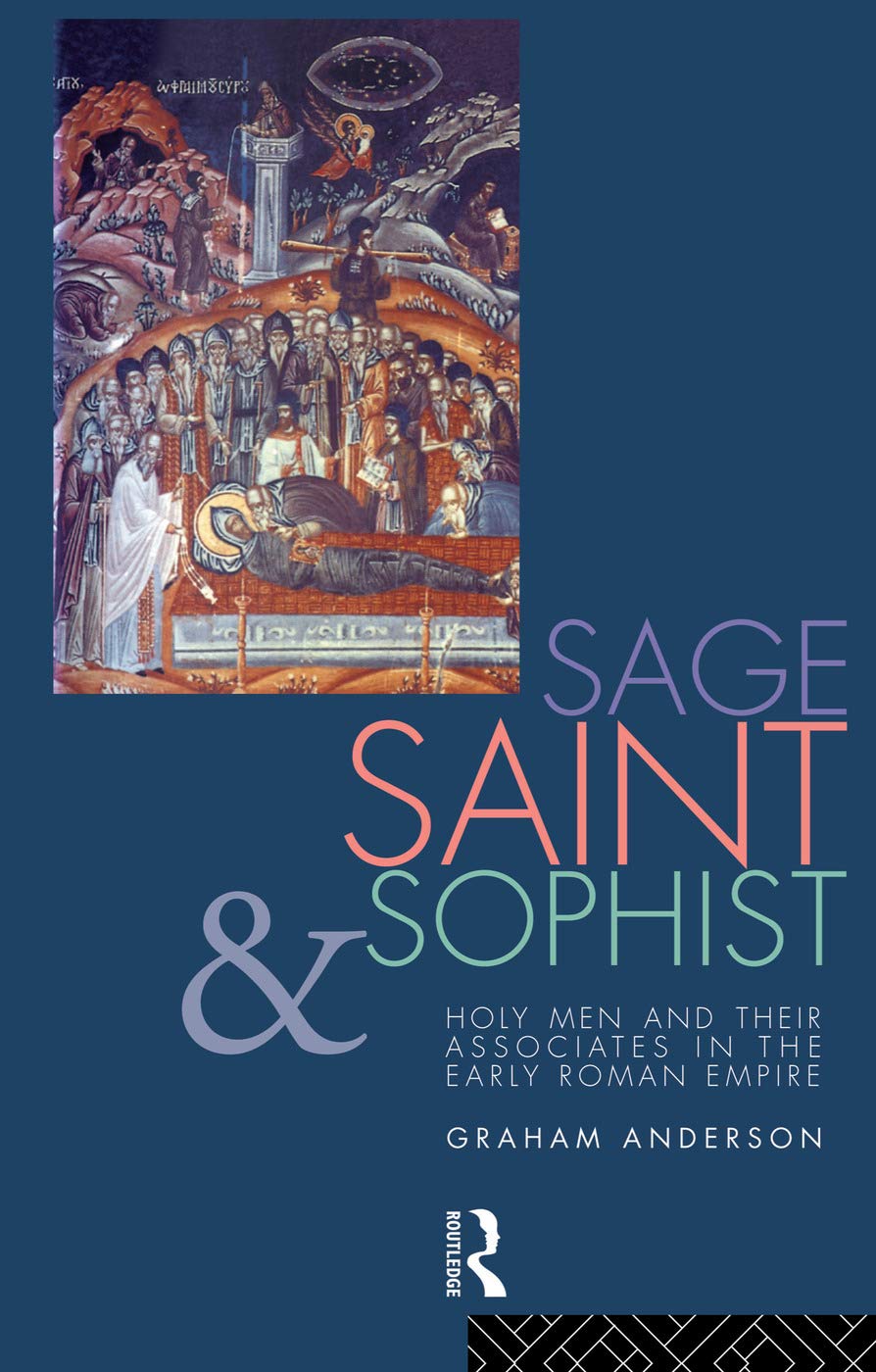
In this review of Sage, Saint and Sophist, the book is recommended for readers seeking a focused historical and literary analysis of holy men in the Roman Empire; the single biggest reason to buy is its careful application of literary techniques to illuminate figures from Jesus to Peregrinus and Dio Chrysostom. Graham Anderson treats these holy men as individual characters and social actors rather than mere types, which gives the reader a clearer picture of why some attracted cults and followers while others remained marginal.
Key Features
- Historical scope: Covers a wide chronological and cultural range, situating Christian and pagan holy men within the wider Roman world so readers understand continuity and contrast.
- Literary analysis: Applies close reading techniques to ancient texts, helping readers see how rhetoric and narrative shaped reputations and religious authority.
- Individual focus: Stresses individuality as much as common features, which benefits readers wanting nuanced character studies rather than broad generalizations.
- Case studies: Uses concrete examples such as Jesus, Peregrinus Proteus and Dio Chrysostom to show how different lifestyles and behaviours influenced later cult development.
- Argument about cult formation: Explores how credibility was maintained and how certain figures became objects of religious cults, useful for students of religion and social history.
Who It's For
This book is best for graduate students, scholars and informed general readers interested in late antiquity, religious history, or literary approaches to historical figures. It suits those who prefer interpretive analysis over broad synthetic surveys and who want specific examples that connect text to social practice.
It is less suitable for readers seeking a general introduction to Christianity or a chronological textbook for beginners; those who need an exhaustive prosopography or a richly illustrated volume should look elsewhere.
Pros & Cons
Pros
- Clear, focused analysis that highlights individual agency in religious life of the Roman Empire.
- Useful comparative approach that treats pagan and Christian holy men on similar analytical terms.
- Concrete examples and textual readings that make abstract arguments tangible and persuasive.
Cons
- Not intended as a beginner's survey, so readers new to the period may need supplementary background reading.
Specifications
| Title | Sage, Saint and Sophist |
| Author | Graham Anderson |
| Subject | Holy men in the Roman Empire; religious and literary analysis |
| Focus | Christian and pagan holy men from Jesus to Peregrinus and Dio Chrysostom |
| Approach | Literary analysis applied to historical figures |
| Purpose | Explain lifestyles, behaviour and cult formation of holy men |
Our Verdict
For readers seeking a concise, argument-driven study of holy men in antiquity, Graham Anderson's book is a rewarding purchase: it offers careful textual readings and comparative insight that make it good value for students and scholars who want depth over breadth.
Frequently Asked Questions
Does this book cover both pagan and Christian figures?
Yes, it treats both pagan and Christian holy men comparatively, highlighting similarities and differences.
Is prior knowledge of late antiquity required?
Some background helps; the book assumes a basic familiarity with key figures and texts, so beginners may want an introductory companion.
Is this a biography of individual holy men?
Not strictly; it presents case studies and literary readings to explore behaviour and cult formation rather than full life biographies.
Editor's Take
Graham Anderson's Sage, Saint and Sophist is a focused, argument-driven study that uses literary analysis to illuminate pagan and Christian holy men; recommended for students and scholars who want depth and comparative insight.

Recently viewed
Recently viewed products will appear here as customers browse the store.