

Screening Nature: Cinema beyond the Human - Film and Ecology
Screening Nature: Cinema beyond the Human - Film and Ecology
Price subject to change. Tap below for current.
Couldn't load pickup availability
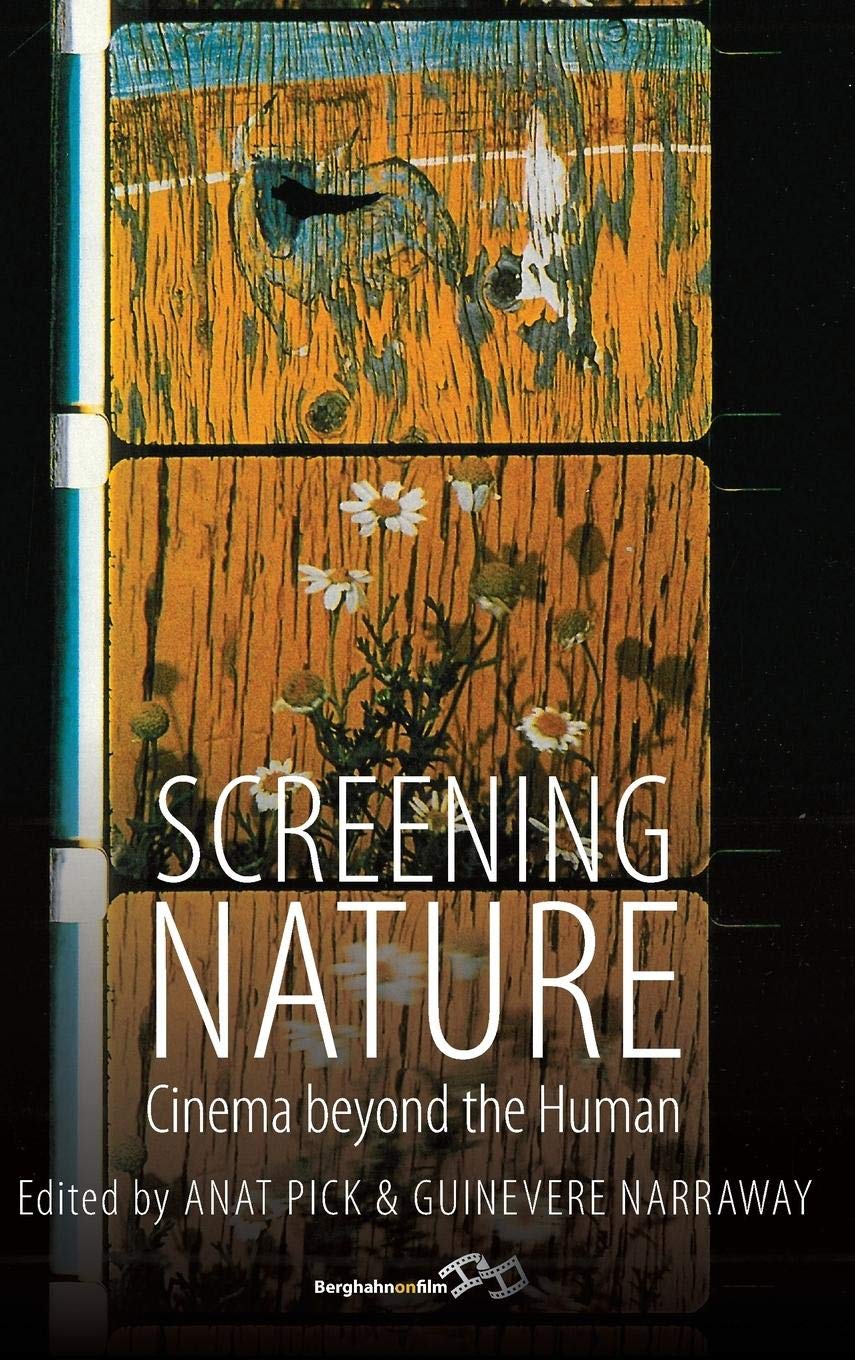
In this review of Screening Nature: Cinema beyond the Human the reviewers assess its value as a focused academic anthology linking film studies with environmental and posthumanist thought. The book is best for instructors, advanced undergraduates and researchers who need a comprehensive collection of essays that foreground the nonhuman environment as central to film theory. Its biggest strength is gathering diverse, foundational readings that clarify how nature and animals operate as registers in cinematic language and institutions, making it a practical teaching and research resource rather than a general-audience survey.
Key Features
- Comprehensive anthology: Brings together a wide range of key readings that map the intersection of film and environmental studies for classroom use and research.
- Focus on nonhuman registers: Emphasizes how nature and nonhuman animals function within cinematic texts and the institution of film, offering new angles for analysis.
- Posthuman cinema coverage: Collects work that situates film scholarship within posthuman and ecological theory to expand critical vocabulary.
- Pedagogical resource: Useful as an assigned text for undergraduate courses and as a curated reference for advanced scholars planning syllabi or seminars.
- Timely intervention: Addresses the growing academic and social interest in environmentalism and ecology as they relate to media and culture.
Who It's For
This collection is aimed at film scholars, graduate students, and university instructors who want a concentrated set of essays on ecology, environmentalism, and posthuman approaches to cinema. It is especially helpful for those designing courses in film and the environment or researching nonhuman agency and representation in film.
Readers looking for a light, general-audience overview of nature documentaries or popular filmmaking techniques should look elsewhere; this book is academically oriented and best used as a theoretical and pedagogical tool rather than an introductory pop history.
Pros & Cons
Pros
- Collects essential readings to establish a coherent field of study around cinema and the environment.
- Useful for teaching, with material appropriate for both undergraduate and advanced seminar discussion.
- Broad coverage of posthuman perspectives helps expand film-theory frameworks beyond human-centered analysis.
Cons
- Primarily academic in tone and scope, so it may feel dense for general readers or casual film fans.
Specifications
| Title | Screening Nature: Cinema beyond the Human |
| Editors | Anat Pick, Guinevere Narraway |
| Subject | Film studies, environmentalism, posthuman cinema |
| Audience | Undergraduates, graduate students, scholars |
| Use | Course anthology and research reference |
| Approach | Theoretical and critical essays on nonhuman registers in film |
Our Verdict
Screening Nature is a worthwhile investment for instructors and scholars seeking a focused, theory-driven anthology that centers the nonhuman in cinematic analysis. Its curated readings and emphasis on ecology and posthuman perspectives make it excellent value for classroom and research use, though casual readers may find the material specialized.
Frequently Asked Questions
Is this book suitable for undergraduate courses?
Yes, it is designed to serve as a resource for undergraduate classes as well as for more advanced seminars and research.
Does the book include work on animals and nonhuman agency?
Yes, it explicitly highlights the role of nonhuman animals and environmental registers within film and theory.
Is this a general-audience introduction to nature films?
No, the volume is academically oriented and focuses on critical theory rather than a popular history of nature filmmaking.
Editor's Take
Screening Nature is a focused, theory-driven anthology ideal for instructors and scholars exploring film and ecology; its curated essays on nonhuman registers make it strong classroom and research value, though it is specialized for academic audiences.

Recently viewed
Recently viewed products will appear here as customers browse the store.