

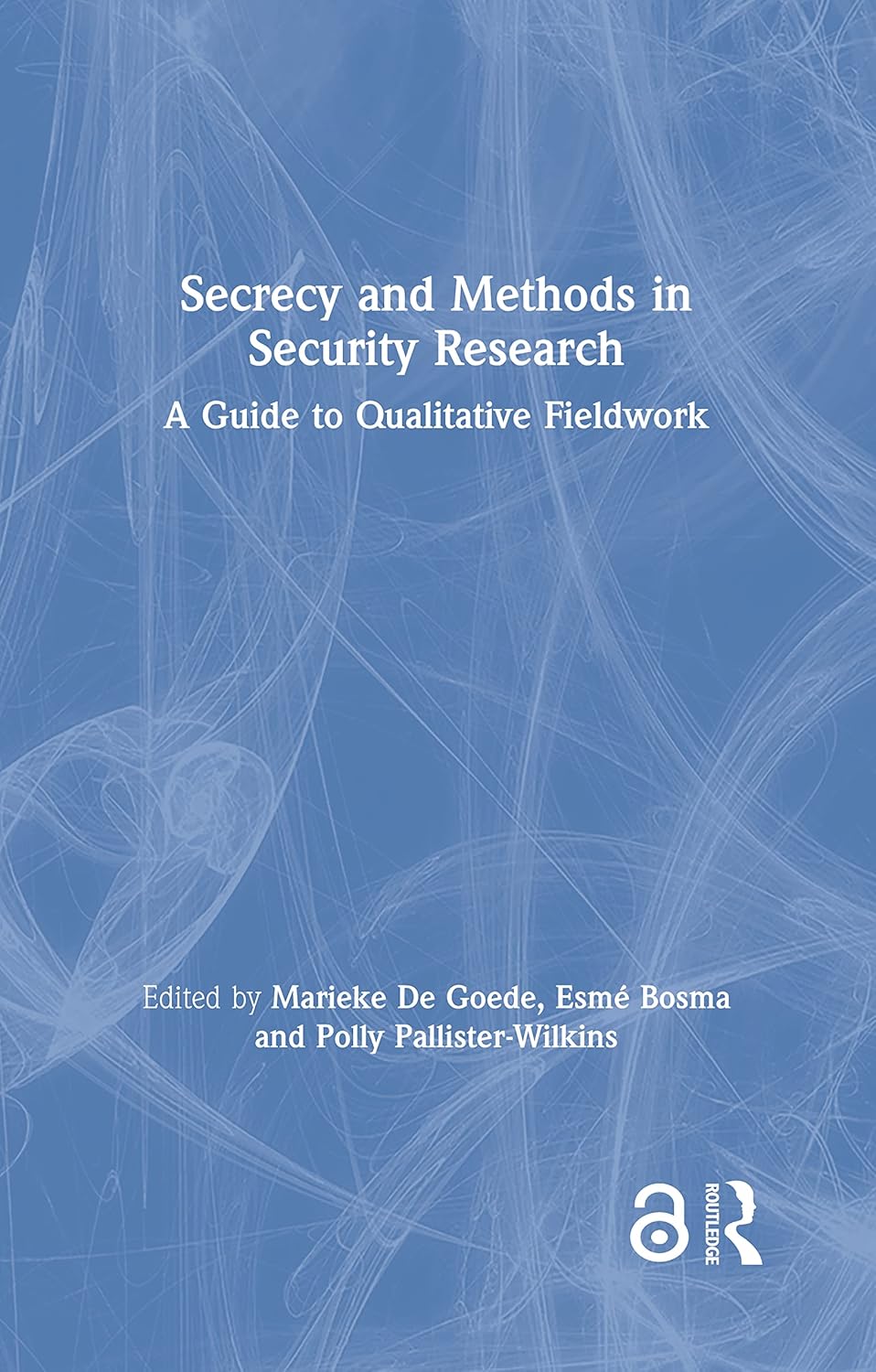
Secrecy and Methods in Security Research - Practical Fieldwork Guide
Secrecy and Methods in Security Research - Practical Fieldwork Guide
Price subject to change. Tap below for current.
Couldn't load pickup availability
In this review of Secrecy and Methods in Security Research the bottom line is clear: this is a thoughtful, method-driven collection for researchers who encounter closed doors and classified routines in the study of security. The book's strongest reason to buy is its pragmatic focus on how to treat secrecy not only as an obstacle but as an analytic resource, offering concrete methodological approaches for ethically navigating confidential material and restricted access. The reviewers found it particularly useful for students and scholars seeking practical guidance on fieldwork where secrecy shapes data and relationships.
Key Features
- Analytic framing: The book reframes secrecy as a productive object of inquiry, helping researchers turn lack of access into a researchable phenomenon rather than a dead end.
- Method toolkit: It offers concrete methods and best-practice examples designed to support ethically appropriate engagement with confidential documents and guarded sites.
- Fieldwork guidance: Practical advice on navigating bureaucratic rebuffs and closed quarters makes the book valuable for researchers planning on-the-ground investigations.
- Interdisciplinary perspectives: Contributions map how secrecy operates across different security settings, widening the interpretive tools available to scholars.
- Training resource: Clear sections aimed at students and PhD researchers provide usable strategies for dissertation- and project-level work under conditions of secrecy.
Who It's For
This collection is best suited to postgraduate students, PhD researchers and senior scholars working in security studies, military history, intelligence studies or related fields who will face restricted access and confidential material in their fieldwork. It is also useful for method courses that want a focused discussion of secrecy as both barrier and data source.
Researchers looking for step-by-step laboratory protocols, a narrowly empirical data set, or a beginner primer on general qualitative methods should look elsewhere; the book assumes some familiarity with fieldwork and aims to deepen methodological reflexivity rather than teach basic research design.
Pros & Cons
Pros
- Approaches secrecy as an analytic resource, which helps convert access problems into research questions.
- Provides concrete methods and best-practice examples that are directly applicable to fieldwork in security settings.
- Addresses ethical considerations around handling confidential material, benefiting those who need pragmatic guidance.
Cons
- The book assumes prior experience with qualitative fieldwork, so novices may need supplementary introductory texts.
Specifications
| Title | Secrecy and Methods in Security Research |
| Authors / Brand | Marieke De Goede, Esme Bosma, Polly Pallister-Wilkins |
| Focus | Secrecy and methodological approaches in security research |
| Audience | Students, PhD researchers, senior scholars |
| Topics covered | Fieldwork challenges, confidential material, ethical practice |
| Use case | Method toolkit for navigating secrecy in research |
Our Verdict
Secrecy and Methods in Security Research is a targeted, well-argued collection that is good value for researchers who face closed sites, confidential documents or bureaucratic rebuffs. Its methodological emphasis and ethical guidance make it a worthwhile purchase for graduate students and scholars who need practical ways to handle secrecy as part of their empirical work.
Frequently Asked Questions
Does this book provide practical field methods?
Yes, it offers a toolkit of methods and best-practice examples intended to guide ethical fieldwork with confidential material.
Who will benefit most from the book?
Postgraduate students, PhD researchers and senior scholars in security studies and related fields will find the book most useful.
Is this a beginner's introduction to qualitative research?
No, it assumes familiarity with fieldwork and focuses on deepening methodological reflexivity around secrecy rather than teaching basic research techniques.
Editor's Take
Secrecy and Methods in Security Research is a focused, method-driven collection offering practical and ethical guidance for postgraduate and scholarly fieldwork where secrecy shapes access; it is a good value resource for turning secrecy into an analytic asset.

Recently viewed
Recently viewed products will appear here as customers browse the store.