

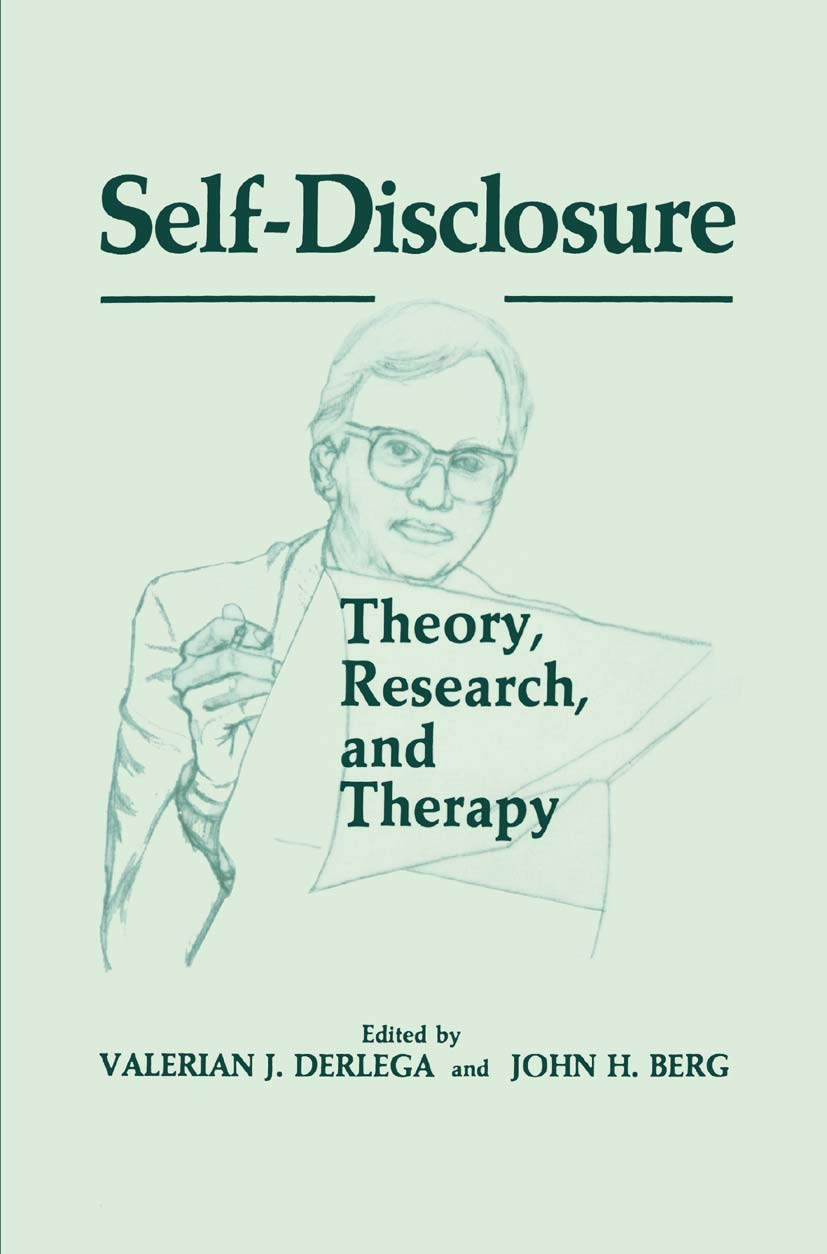
Self-Disclosure: Theory, Research, and Therapy - In-Depth
Self-Disclosure: Theory, Research, and Therapy - In-Depth
Price subject to change. Tap below for current.
Couldn't load pickup availability
In this review of Self-Disclosure: Theory, Research, and Therapy the reviewer finds a focused academic volume that will appeal to clinicians, researchers, and students interested in the interpersonal choices that shape relationships. The book collects multidisciplinary work on why people reveal thoughts, feelings, and past experiences, and the single biggest reason to read it is its sustained, research-informed perspective on the consequences of disclosure for perception, intimacy, and self-knowledge. This review highlights the book's usefulness as a reference and a teaching resource rather than light reading.
Key Features
- Multidisciplinary contributors: Brings together work from personality, social, clinical, counseling and communications researchers so readers get several professional perspectives in one volume.
- Theory and research focus: Emphasizes both theoretical frameworks and empirical findings to clarify how disclosure decisions affect relationships and self awareness.
- Clinical relevance: Offers material relevant to therapy and counseling practice that helps practitioners consider disclosure as an intervention or process in treatment.
- Educational value: Serves as a useful textbook or seminar reading with material suited for graduate courses in psychology and counseling.
- Relationship outcomes emphasis: Examines how disclosure choices influence how others perceive a person and the kinds of relationships that follow.
Who It's For
This volume is best for graduate students, researchers, and practicing clinicians who want a rigorous, research-based look at self-disclosure as a psychological and interpersonal phenomenon. In particular, those teaching seminars on personality or counseling will appreciate the collected perspectives and the emphasis on both theory and applied implications.
Readers seeking a practical self-help manual or light popular psychology treatment should look elsewhere, because the book is oriented toward specialists and assumes an interest in empirical and theoretical analysis rather than quick tips or layperson exercises.
Pros & Cons
Pros
- Comprehensive coverage: chapters from multiple disciplines give a rounded view of disclosure processes.
- Research-grounded: emphasis on empirical findings makes it useful for academic citation and classroom discussion.
- Clinical applicability: material can inform therapeutic decisions about managing intimacy and self-disclosure in treatment.
Cons
- Academic tone: the book's scholarly approach limits its appeal to casual readers seeking practical how-to guidance.
Specifications
| Title | Self-Disclosure: Theory, Research, and Therapy |
| Series | Perspectives in Social Psychology |
| Authors / Editors | Valerian J. Derlaga, John H. Berg |
| Subject Areas | Personality, Social Psychology, Clinical & Counseling Psychology, Communications |
| Focus | Decisions about revealing thoughts, feelings, and past experiences |
| Audience | Researchers, clinicians, and graduate students |
Our Verdict
Self-Disclosure: Theory, Research, and Therapy is a solid, research-driven collection that is worth buying for professionals and students who need a thorough treatment of how disclosure shapes relationships and self-knowledge. Its value lies in the multidisciplinary scholarship and clinical relevance, making it a worthwhile reference for coursework or therapy-informed reading even though it is not aimed at general self-help readers.
Frequently Asked Questions
Is this book suitable for therapy practitioners?
Yes. The collection includes clinically relevant chapters that discuss disclosure in therapeutic and counseling settings and can inform practice.
Does the book include empirical research or is it purely theoretical?
It includes both theory and empirical research, bringing together studies and conceptual frameworks from multiple disciplines.
Who will get the most from this volume?
Graduate students, academic researchers, and clinicians interested in personality, social psychology, and communication will benefit most from its depth and scholarly focus.
Editor's Take
A research-driven, multidisciplinary collection that benefits clinicians, graduate students, and researchers interested in how self-disclosure shapes relationships and self-knowledge; valuable as a classroom and reference text.

Recently viewed
Recently viewed products will appear here as customers browse the store.