

Selling Spirituality - Critical of Spirituality as Commodity
Selling Spirituality - Critical of Spirituality as Commodity
Price subject to change. Tap below for current.
Couldn't load pickup availability
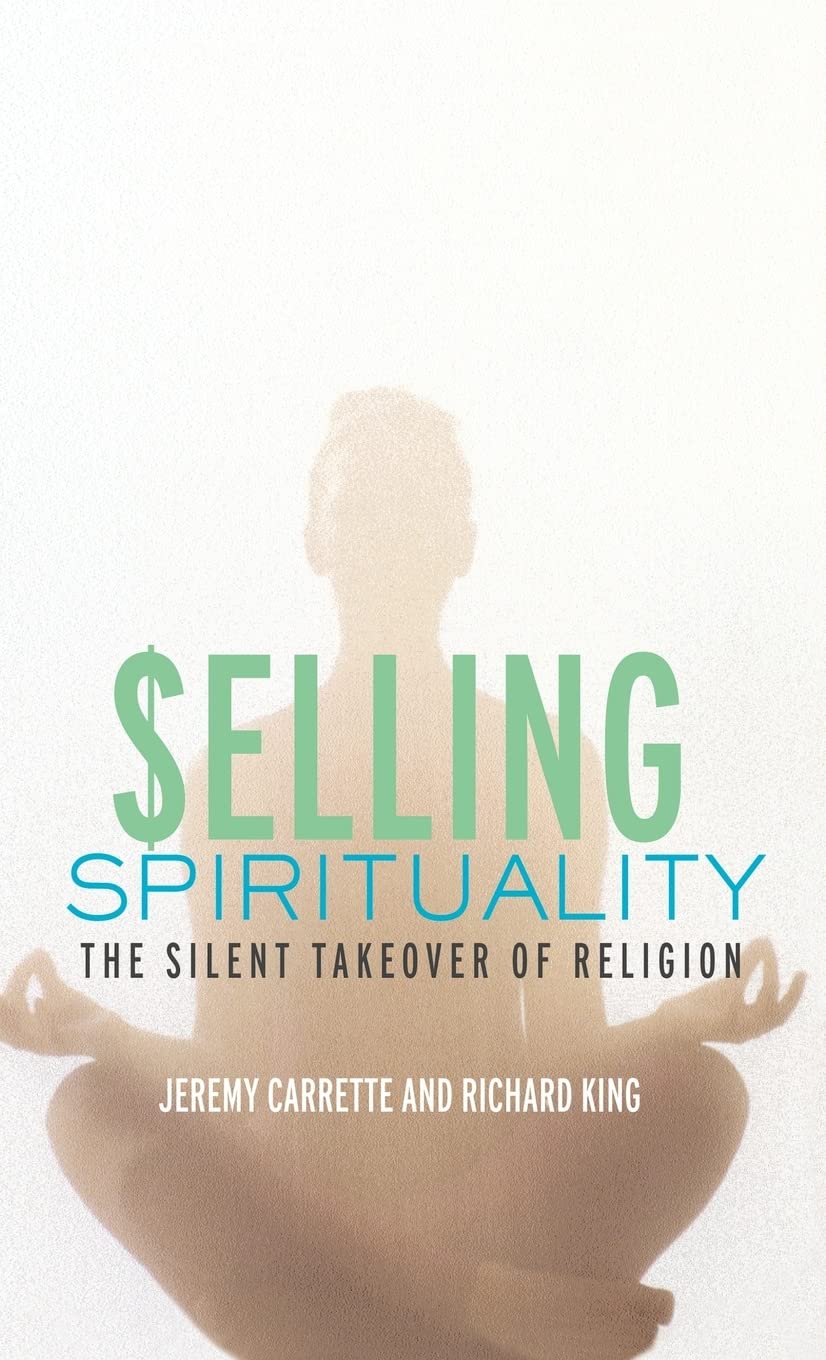
In this review of Selling Spirituality, Jeremy Carrette and Richard King offer a compact, provocative analysis aimed at readers who want to understand how contemporary spiritual practices have been repackaged as marketable products. The book is for anyone curious about the intersection of culture, commerce and belief, and its single biggest reason to buy is that it clearly maps how a once-private search for meaning has been converted into a global industry. The authors write with clarity and polemical energy, making this a useful corrective for students, clergy, and thoughtful consumers.
Key Features
- Clear critique of commodification: The authors show how practices from feng shui to aromatherapy have been packaged as consumer goods, helping readers spot commercial framing in spiritual offerings.
- Focus on modern religion: The book links privatization of religion to broader social trends, offering a concise historical perspective useful for students of religious studies.
- Case studies of brands and trends: By naming movements and market players, the text gives concrete examples readers can investigate further in their communities.
- Accessible length and tone: As a short, sharp polemic, the book is readable in a few sittings while still delivering dense argumentation for discussion or classroom use.
- Political and cultural lens: The authors argue that marketized spirituality often supports orthodox politics, prompting readers to consider spiritual practice as a site of resistance.
Who It's For
Selling Spirituality is best suited to readers studying religion and culture, activists interested in critiques of capitalism, and anyone who wants a skeptical take on wellness trends. Its tone and argument assume some familiarity with cultural studies or social theory rather than novice spiritual instruction.
Those looking for a how-to guide to meditation, a sympathetic devotional manual, or hands-on wellness product recommendations should look elsewhere, because the book is primarily analytical and polemical rather than instructive.
Pros & Cons
Pros
- Concise, pointed analysis that clarifies how spirituality becomes a market category.
- Useful for classroom discussion and critical reading in religious studies or sociology courses.
- Direct examples and cultural critique make abstract ideas tangible for readers.
Cons
- Its critical tone may feel dismissive to readers seeking empathetic engagement with spiritual practice.
Specifications
| Title | Selling Spirituality |
| Authors | Jeremy Carrette, Richard King |
| Subject | Critique of commercialized spirituality |
| Focus areas | Feng shui, holistic medicine, aromatherapy, yoga, wellness industry |
| Approach | Critical, political and cultural analysis |
| Audience | Students, scholars, cultural critics |
Our Verdict
Selling Spirituality is a compact, persuasive critique that belongs on the shelf of anyone studying how belief is shaped by markets. It is good value for readers who want an incisive cultural analysis rather than practical spiritual instruction, and it provokes useful questions about reclaiming spiritual practice from corporate influence.
Frequently Asked Questions
Does the book defend spiritual practices?
The book is mainly critical of the marketization of practices rather than of spiritual methods themselves, and it calls for reclaiming spirituality from commercial forces.
Is this suitable for academic courses?
Yes. Its concise argumentation and examples make it appropriate for courses in religious studies, sociology, or cultural studies.
Will it recommend wellness products?
No. The authors critique the commodification of wellness and do not offer product recommendations or how-to guides.
Editor's Take
Selling Spirituality is a compact, persuasive critique useful for students and critics who want to understand how spiritual practices have been commodified; it offers clear analysis rather than practical spiritual instruction.

Recently viewed
Recently viewed products will appear here as customers browse the store.