

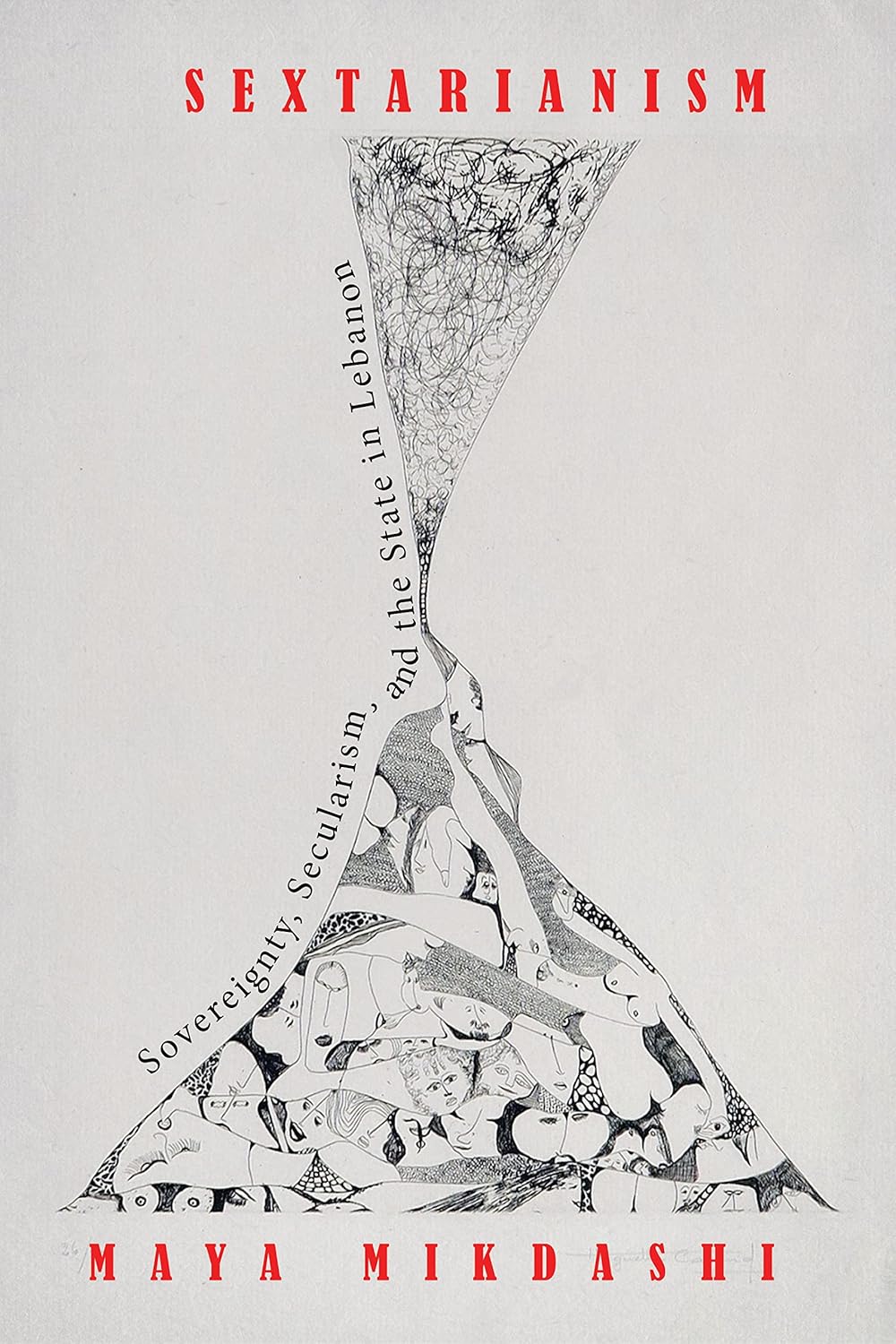
Sextarianism: Sovereignty, Secularism, and the State in Lebanon
Sextarianism: Sovereignty, Secularism, and the State in Lebanon
Price subject to change. Tap below for current.
Couldn't load pickup availability
In this review of Sextarianism: Sovereignty, Secularism, and the State in Lebanon, the reviewer finds Maya Mikdashi's book essential for readers who want a rigorous, documentbased analysis of how law and sect shape everyday life in Lebanon. The book's single biggest reason to buy is its sustained argument that sex, sexuality, and sect are not marginal topics but central mechanisms through which the Lebanese state produces political subjects; the review highlights the author's use of court archives and ethnography to support this thesis.
Key Features
- Archival research: Extensive use of court archives and public records provides grounded historical evidence that clarifies how legal practices have shaped sectarian governance.
- Ethnography of the Court of Cassation: Close ethnographic observation of Lebanon's highest civil court offers concrete examples of how bureaucratic processes produce legal personhood.
- Theory of biopolitical subjects: The book theorizes how people across gender and religious lines become subjects through administrative, ideological, and legal techniques, making abstract theory tangible.
- Focus on kinship law: Detailed attention to sect-specific kinship laws, including marriage and inheritance, shows how private domains are regulated by the state.
- Intersections of secularism and sovereignty: The work situates secular power sharing within sectarian structures to explain the persistence of legal pluralism in Lebanon.
Who It's For
This book is for scholars and students in political science, gender studies, Middle Eastern studies, and legal anthropology who need a disciplined, sourcebased account of how law and sectarianism intersect in Lebanon. It will also interest activists and policy researchers looking for analysis linking legal form to social difference.
Readers seeking a general history of Lebanon, a narrative political biography, or a brief popular account of sectarian politics should look elsewhere; Mikdashi's approach is scholarly, dense, and depends on legal and archival detail rather than broad journalistic storytelling.
Pros & Cons
Pros
- Careful archival documentation strengthens the book's claims and makes its argument hard to dismiss.
- The ethnography of the Court of Cassation illuminates otherwise opaque bureaucratic practices.
- Clear theoretical framing connects sex and sexuality to state formation in unexpected but convincing ways.
Cons
- The book's dense, academic style may be challenging for casual readers or those unfamiliar with theoretical language.
Specifications
| Title | Sextarianism: Sovereignty, Secularism, and the State in Lebanon |
| Author | Maya Mikdashi |
| Primary focus | Law, sectarianism, and biopolitics in Lebanon |
| Sources | Court archives, public records, ethnography of the Court of Cassation |
| Theoretical topics | Secularism, sovereignty, sex and sexuality, kinship law |
Our Verdict
Maya Mikdashi's Sextarianism is a valuable, researchdriven contribution for readers who want to understand how legal pluralism and sectarian governance shape social life in Lebanon. Its archival depth and court ethnography make it particularly worth buying for academics and advanced students; despite a demanding style, the book offers excellent value as a rigorous, original intervention on law, sex, and state power.
Frequently Asked Questions
Does this book use primary sources?
Yes. The book draws on court archives and public records as well as ethnographic work at the Court of Cassation.
Is the book accessible to nonacademics?
Its scholarly and theoretical approach makes it better suited to readers with background in social sciences or legal studies rather than casual general readers.
What topics does the book cover?
It covers sectspecific kinship laws, secular power sharing, sovereignty, and how sex and sexuality are implicated in state formation.
Editor's Take
Sextarianism is a rigorous, archival and ethnographic study showing how law, sect, and sexuality produce political subjects in Lebanon; it is essential for scholars despite a demanding academic style.

Recently viewed
Recently viewed products will appear here as customers browse the store.