Regular price
$150.00 USD
Price subject to change. Tap below for current.
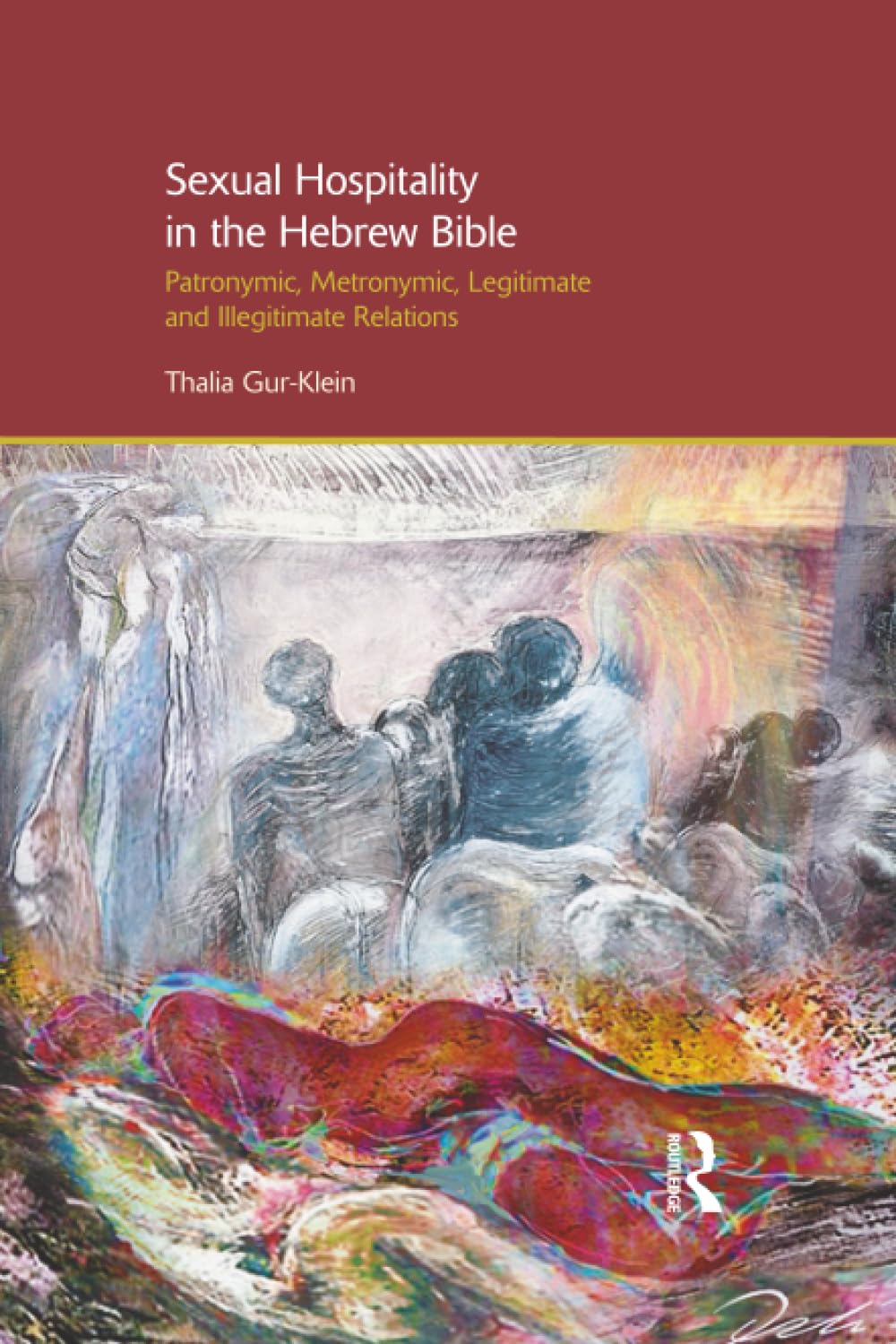
The book Sexual Hospitality in the Hebrew Bible by Thalia Gur-Klein offers a profound exploration of the intricate relationship between gender, theology, and spirituality within ancient texts. This scholarly work delves into the concept of hospitality as it relates to sexuality, providing readers with a unique perspective on biblical narratives.
Through meticulous analysis, Gur-Klein examines how sexual hospitality is portrayed in various stories, shedding light on the cultural and religious implications of these interactions. The author argues that understanding these dynamics is crucial for grasping the broader themes of gender roles and societal expectations in biblical times.
One of the key strengths of this book is its ability to intertwine theological insights with historical context. Gur-Klein draws on a wide range of sources, including ancient texts and contemporary scholarship, to support her arguments. This comprehensive approach not only enriches the reader's understanding but also invites further discussion on the relevance of these themes today.
The narrative is engaging, making complex ideas accessible to both scholars and general readers alike. Each chapter is thoughtfully structured, allowing for a gradual buildup of knowledge and understanding. The inclusion of case studies from the Hebrew Bible serves to illustrate the points made, providing concrete examples that resonate with the reader.
Moreover, the book challenges traditional interpretations of biblical texts, encouraging readers to reconsider preconceived notions about gender and sexuality in ancient cultures. Gur-Klein's insights prompt a reevaluation of how these themes are still relevant in contemporary discussions about gender equality and sexual ethics.
In addition to its academic rigor, Sexual Hospitality in the Hebrew Bible is also a call to action for those interested in the intersection of faith and social justice. The author emphasizes the importance of understanding historical contexts to inform modern practices and beliefs. This perspective is particularly valuable for theologians, educators, and activists alike.
Overall, Thalia Gur-Klein's work is a significant contribution to the field of biblical studies. It not only enhances our understanding of hospitality and sexuality in the Hebrew Bible but also opens up new avenues for dialogue and exploration. This book is a must-read for anyone interested in the complexities of gender, theology, and spirituality within the biblical narrative.