

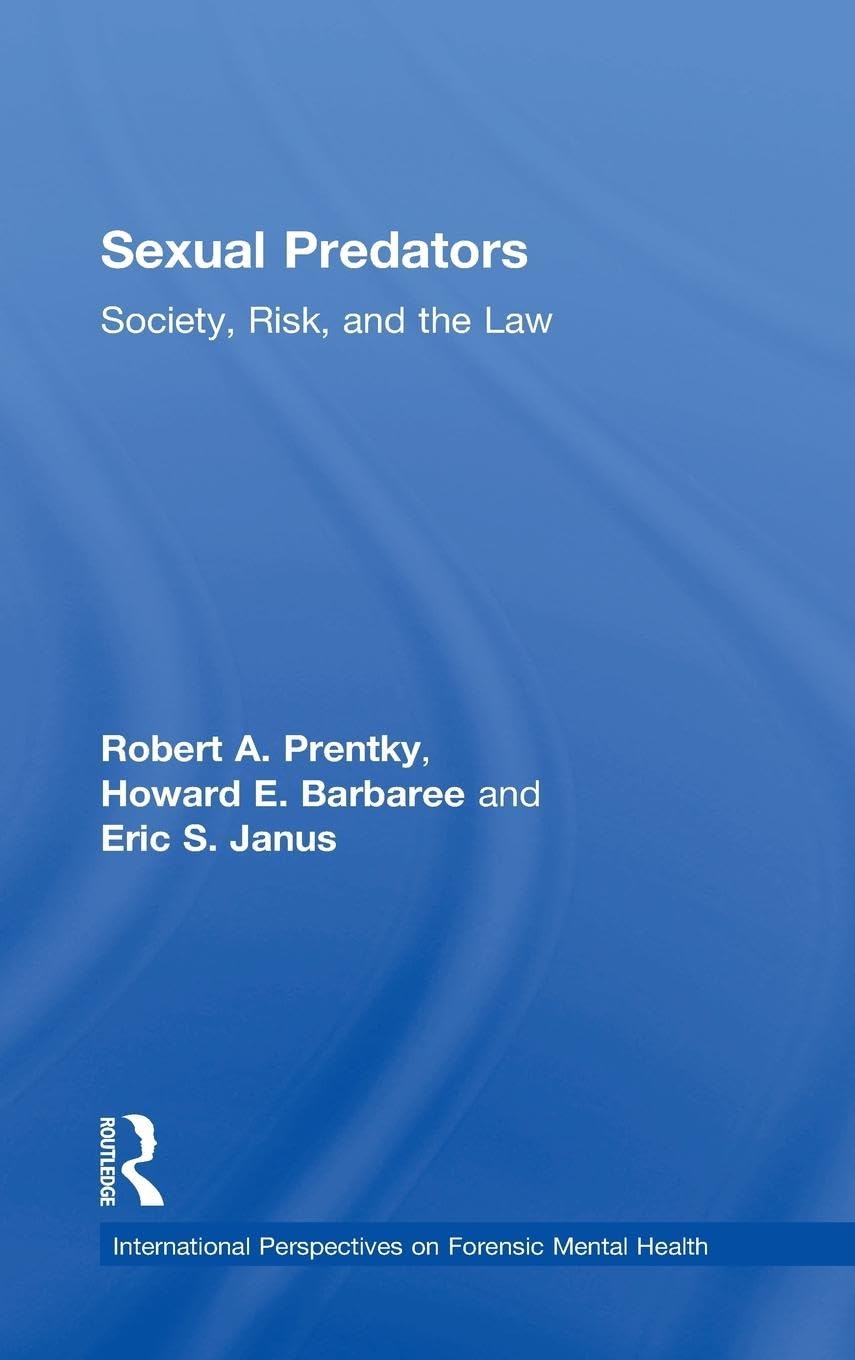
Sexual Predators (International Perspectives on Forensic Mental
Sexual Predators (International Perspectives on Forensic Mental
Price subject to change. Tap below for current.
Couldn't load pickup availability
In this review of Sexual Predators (International Perspectives on Forensic Mental Health), the book is evaluated as a focused academic resource for clinicians, forensic evaluators, and policy makers examining post-prison management of high-risk sex offenders. The single biggest reason to consult this volume is its careful treatment of Sexually Violent Predator (SVP) laws and the legal and assessment challenges they present; the text links legal disposition issues with the practical limits of actuarial risk testimony, making it a useful reference for those involved with civil commitment and expert witness work.
Key Features
- SVP law analysis: The book explains how Sexually Violent Predator statutes function in the US and addresses constitutional questions that arise in preventive detention.
- Expert testimony critique: It highlights how courts rely on expert risk testimony and the specific problems tied to actuarial assessments used in hearings.
- Risk assessment focus: The text describes the central role of actuarial tools and the limitations that follow from their theoretical and practical bases.
- Interdisciplinary perspective: Scholarship and practice are examined across legal and clinical domains, making the book relevant to both lawyers and mental health professionals.
- Challenges of bias: The authors discuss how human decision-making can introduce bias into evaluations and court processes.
- Operational considerations: There is attention to the real-world operation of SVP procedures, including court disposition and public protection aims.
Who It's For
The book is aimed at forensic psychologists, psychiatrists, attorneys, judges, and graduate students who need a rigorous review of SVP statutes, their constitutionality, and the role of expert testimony in commitment proceedings. Its clinical-legal orientation makes it a practical reference for professionals preparing or challenging risk testimony.
Readers seeking an introductory overview of general sex offender treatment or a step-by-step clinical treatment manual should look elsewhere; this title concentrates on legal frameworks, actuarial assessment critique, and systemic issues rather than front-line therapeutic techniques.
Pros & Cons
Pros
- Thorough examination of SVP laws provides clear context for post-prison preventive detention decisions.
- Useful critique of actuarial risk assessment helps readers understand limits of expert testimony.
- Cross-disciplinary discussion bridges legal and clinical perspectives for practical courtroom relevance.
Cons
- The book focuses on legal and assessment challenges and does not serve as a practical treatment guide for clinicians.
Specifications
| Title | Sexual Predators (International Perspectives on Forensic Mental Health) |
| Authors / Editors | Robert A. Prentky, Howard E. Barbaree, Eric S. Janus |
| Subject focus | Sexually Violent Predator laws and forensic mental health |
| Main topics | SVP statutes, constitutionality, actuarial risk assessment |
| Audience | Forensic professionals, legal practitioners, graduate students |
| Approach | Analytic commentary on law, expert testimony, and assessment bias |
Our Verdict
Sexual Predators delivers a well-focused, scholarly look at SVP law and the evidentiary role of risk assessment, making it a valuable resource for forensic evaluators and legal professionals involved in civil commitment proceedings. It represents good value for readers who need critical analysis of policy, law, and assessment limits rather than clinical treatment instruction.
Frequently Asked Questions
Does this book explain SVP laws?
Yes. It describes the operation and constitutional questions surrounding Sexually Violent Predator statutes in the US.
Is it a clinical treatment manual?
No. The emphasis is on legal frameworks, expert testimony, and assessment critique rather than therapeutic techniques.
Who benefits most from this book?
Forensic psychologists, psychiatrists, attorneys, and judges working with post-prison detention and risk testimony will find it most useful.
Editor's Take
A focused, scholarly analysis of SVP laws and the limits of actuarial risk testimony; recommended for forensic evaluators and legal professionals needing critical perspective rather than clinical treatment guidance.

Recently viewed
Recently viewed products will appear here as customers browse the store.