

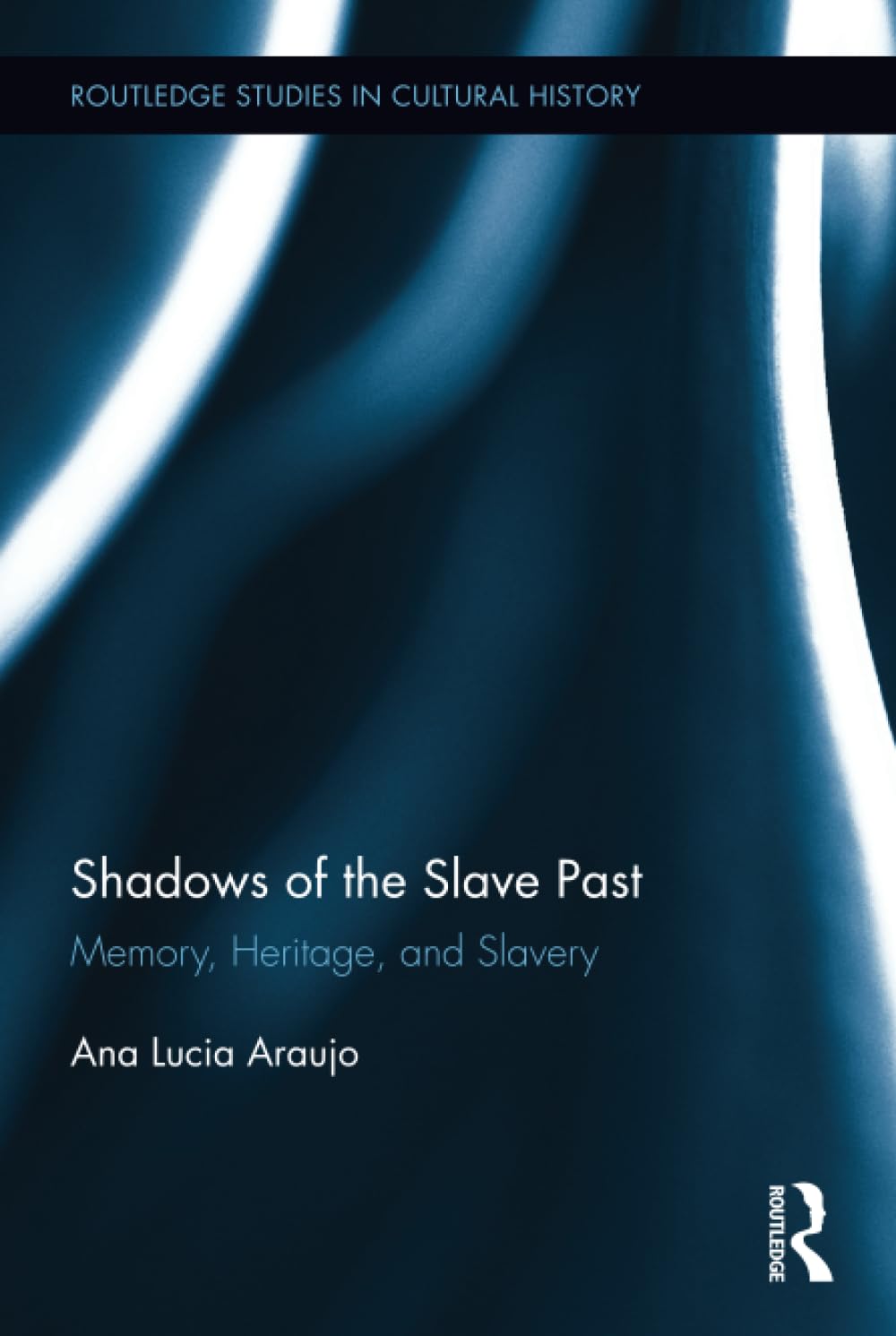
Shadows of the Slave Past - Comparative Study of Memory and Memorials
Shadows of the Slave Past - Comparative Study of Memory and Memorials
Price subject to change. Tap below for current.
Couldn't load pickup availability
In this review of Shadows of the Slave Past, the reviewer finds a thoughtful, transnational study that will matter to scholars, museum professionals, and readers interested in the public memory of slavery. Ana Lucia Araujo provides a comparative lens across Europe, Africa, and the Americas, tracing how monuments, memorials and heritage sites emerged to shape collective remembrance. The book's single biggest reason to buy is its coherent mapping of memorial initiatives and stages of the Atlantic slave trade, making it a useful reference for anyone analyzing how history is materialized in public spaces.
Key Features
- Transnational scope: The book connects examples from multiple continents to show how memorialization processes compare and diverge across national contexts.
- Chronological reconstruction: Araujo retraces the stages of the Atlantic slave trade from enslavement in Africa to abolition, giving readers a structured narrative to follow.
- Focus on public initiatives: Detailed attention to monuments, memorials and museums demonstrates concrete ways societies choose to remember slavery.
- Heritage site analysis: Inclusion of heritage sites broadens the study beyond museums to include places of contested memory and preservation.
- Scholarly synthesis: The author synthesizes diverse projects developed over recent decades, offering connections useful for comparative research.
Who It's For
This book is best suited for academics in cultural history, museum studies, sociology and race relations who need a comparative framework for memory studies, and for curators or heritage professionals planning commemorative projects. Graduate students researching public memory of slavery will find the cross-regional examples and the reconstruction of the slave trade stages particularly valuable.
Readers seeking a brief primer or a narrative history focused solely on the lived experience of enslaved people may want supplemental works; this volume emphasizes memorialization and institutional responses rather than detailed biographies or primary-source storytelling.
Pros & Cons
Pros
- Offers a clear comparative framework that helps place individual memorial projects in a broader transnational context.
- Maps the stages of the Atlantic slave trade in relation to memorialization, making the topic accessible to non-specialists within academia.
- Includes a range of public initiatives, from monuments to museums and heritage sites, which aids multidisciplinary use.
Cons
- The book is focused on memorialization and institutional projects, so readers wanting extensive first-person narratives or primary-source detail on daily enslaved life will need complementary texts.
Specifications
| Title | Shadows of the Slave Past |
| Series | Routledge Studies in Cultural History |
| Author | Ana Lucia Araujo |
| Scope | Transnational comparative study of memorialization |
| Topics covered | Monuments, memorials, museums, heritage sites |
| Geographic focus | Europe, Africa, and the Americas |
Our Verdict
Shadows of the Slave Past is a strong, well-organized study for anyone examining how societies remember slavery. Its comparative approach and emphasis on monuments, museums and heritage sites make it good value for researchers and professionals seeking a framework to compare projects across continents and to inform commemorative practice.
Frequently Asked Questions
Does this book cover specific monuments and museums?
The book examines numerous monuments, memorials and museums as part of its comparative analysis across regions.
Is the focus more historical narrative or memory studies?
The primary focus is memory studies and memorialization practices, though the author traces historical stages of the Atlantic slave trade to contextualize those practices.
Who will benefit most from reading this book?
Scholars, museum professionals, and heritage workers involved in commemorative projects will gain the most from its transnational comparisons and institutional insights.
Editor's Take
Shadows of the Slave Past is a well-organized comparative study that maps how monuments, museums and heritage sites memorialize slavery across Europe, Africa and the Americas, making it valuable for researchers and heritage professionals.

Recently viewed
Recently viewed products will appear here as customers browse the store.