

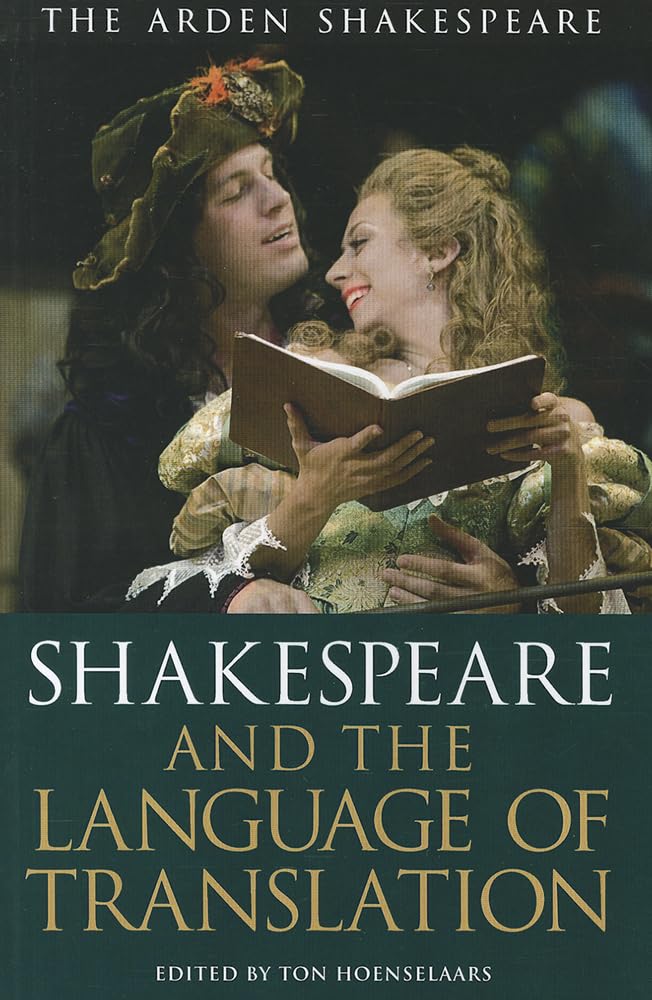
Shakespeare and the Language of Translation - In-Depth
Shakespeare and the Language of Translation - In-Depth
Price subject to change. Tap below for current.
Couldn't load pickup availability
In this review of Shakespeare and the Language of Translation the reviewer finds a focused, scholarly survey aimed at readers who want to understand how Shakespeare travels across languages and cultures. Ton Hoenselaars edits a collection that maps translations from Bulgaria to Japan and from South Africa to Germany, with striking case studies such as Macbeth in Scots and Romeo and Juliet in British Sign Language. The bottom line: this book is best for academics, translators and theatre practitioners who need a comparative, contextual view of Shakespeare in translation.
Key Features
- Wide geographical scope: Essays cover translation practices from multiple regions so readers see comparative patterns rather than isolated examples.
- Stage and page perspectives: The collection treats both textual renderings and performance adaptations, clarifying how translation functions for readers and audiences.
- Case studies: Detailed treatments such as Macbeth into Scots and Romeo and Juliet into British Sign Language show real-world translation challenges and creative solutions.
- Cultural context: Chapters place translations within national, racial and postcolonial politics, helping readers evaluate interpretive choices.
- Scholarly edit: Ton Hoenselaars curates contributions to create a coherent survey useful for study and teaching of translation and Shakespeare.
Who It's For
This volume suits scholars of English and comparative literature, professional translators, and theatre directors who need informed background on how translations function across cultures. Students in graduate seminars on translation studies or Shakespearean reception will also find chapters useful for research and class discussion.
Readers seeking a beginner's introduction to Shakespeare's works or a lightweight popular history should look elsewhere; the book assumes familiarity with translation theory and with Shakespeare's plays and poems rather than providing general plot summaries or a beginner's guide to the plays.
Pros & Cons
Pros
- Comprehensive geographical range offers a comparative understanding of global translation practices.
- Balanced attention to both page and stage shows how translations function in performance contexts.
- Concrete case studies supply practical examples that readers can apply to their own translation or production work.
Cons
- The scholarly focus and depth mean it is less accessible to casual readers or those new to Shakespeare.
Specifications
| Title | Shakespeare and the Language of Translation |
| Series | Arden Shakespeare: Shakespeare and Language |
| Editor/Author | Ton Hoenselaars |
| Scope | Survey of translations from multiple countries and languages |
| Notable topics | Macbeth into Scots; Romeo and Juliet into British Sign Language |
| Focus | Translation for page and stage, with cultural and political contexts |
Our Verdict
Shakespeare and the Language of Translation is a valuable, well-curated collection for academics, translators and theatre practitioners interested in comparative reception and performance. Its focus on concrete case studies and cultural context makes it good value for those who need depth rather than a general introduction.
Frequently Asked Questions
Does this book cover non-European translations?
Yes; the collection explicitly includes translations and practices from regions such as Japan and South Africa alongside European contexts.
Is it suitable for classroom use?
Yes; its essays and case studies are appropriate for graduate seminars and courses on translation, reception or Shakespeare.
Will it teach how to translate Shakespeare line-by-line?
No; the volume offers scholarly surveys and contextual case studies rather than step-by-step translation instruction.
Editor's Take
Shakespeare and the Language of Translation is a well-curated scholarly collection that offers comparative, culturally grounded case studies useful to academics, translators and theatre practitioners; it provides depth rather than a beginner's introduction.

Recently viewed
Recently viewed products will appear here as customers browse the store.