

Shakespeare in the Nineteenth Century - Cultural and Critical
Shakespeare in the Nineteenth Century - Cultural and Critical
Price subject to change. Tap below for current.
Couldn't load pickup availability
In this review of Shakespeare in the Nineteenth Century the reviewer finds a focused, reference-style study aimed at readers who want to understand how Shakespeare became a global cultural force during the 1800s. Gail Marshall documents the wide range of representations of Shakespeare and his characters, and the single biggest reason to buy is the book's clear linkage of theatrical, visual and literary evidence to broader cultural and political currents. The tone is scholarly but readable, making this a practical choice for students, teachers and interested general readers seeking a compact, well-argued historical account.
Key Features
- Historical scope: The essays trace how Shakespeare reached international pre-eminence across the nineteenth century, helping readers see long-term cultural change.
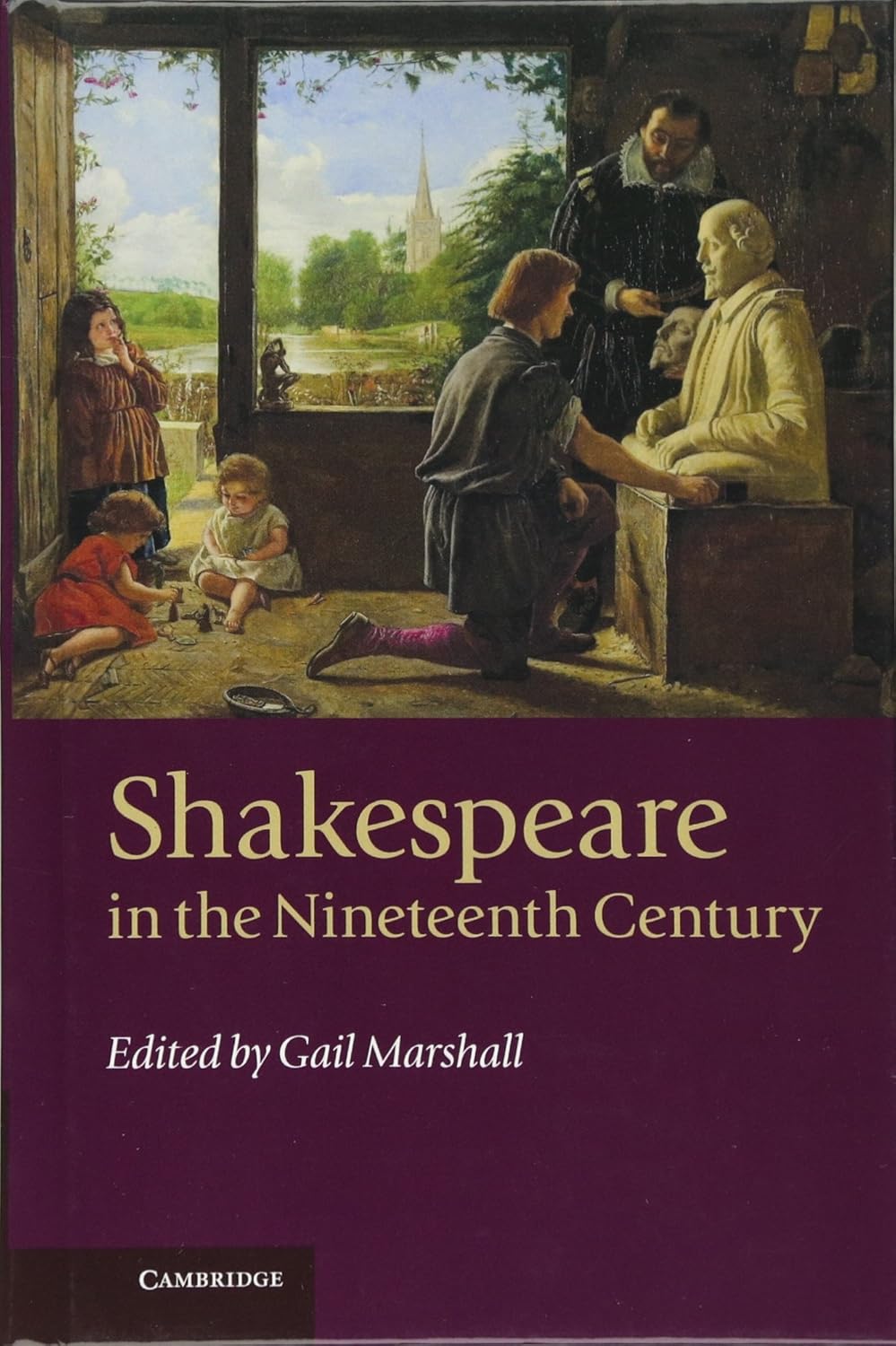
- Visual and material culture: The book describes statues, paintings and illustrations so readers can appreciate the concrete ways Shakespeare appeared in public life.
- Theatrical evidence: Coverage of London theatres and the Memorial Theatre in Stratford-upon-Avon shows how performance sustained and shaped Shakespeare's reputation.
- Literary connections: Examples of how nineteenth-century writers quoted and used Shakespeare illuminate his influence on contemporary literature and journalism.
- Accessible scholarship: The essays are presented as a unique reference guide that balances detailed examples with a readable narrative for non-specialists.
Who It's For
This book will most benefit literature students, teachers of British drama and readers interested in cultural history who want a focused account of Shakespeare's nineteenth-century reception. It suits those looking for a synthesis of visual, theatrical and literary sources rather than an exhaustive archival monograph.
Scholars needing full primary-document transcriptions or an extended bibliography may need complementary volumes; casual readers seeking a biography of Shakespeare rather than a study of his reception should look elsewhere.
Pros & Cons
Pros
- Clear linkage of cultural, political and literary arenas demonstrates why Shakespeare mattered throughout the century.
- Strong attention to material culture-statues, houses and memorials-gives readers concrete illustrations of fame and commemoration.
- Readable essays make the subject approachable for advanced undergraduates and general readers alike.
Cons
- The focused reference-guide approach means it is not a comprehensive archival study, so specialists may find it selective rather than exhaustive.
Specifications
| Title | Shakespeare in the Nineteenth Century |
| Author | Gail Marshall |
| Subject | Literature, history and cultural criticism |
| Focus | Reception, visual culture and theatre in the 1800s |
| Geographic emphasis | British and international reception |
| Use | Reference guide for students and teachers |
Our Verdict
Shakespeare in the Nineteenth Century is a concise, well-argued reference that illuminates how Shakespeare became a central cultural figure in the nineteenth century. It is good value for students and teachers who need a synthesis of theatrical, visual and literary evidence; those wanting exhaustive archival detail should supplement it with specialist studies.
Frequently Asked Questions
Does the book cover theatrical history?
The essays include substantial discussion of London theatres and the Memorial Theatre at Stratford, showing how performance shaped reputation.
Is this suitable for undergraduates?
Yes, the readable, reference-style chapters make it appropriate for advanced undergraduates studying literature or cultural history.
Does it include images or illustrations?
The text discusses statues, paintings and illustrations as part of the cultural record, which supports readers' understanding of visual commemoration.
Editor's Take
A concise, well-argued reference that shows how Shakespeare became a central cultural figure in the nineteenth century; recommended for students and teachers needing a synthesis of theatrical, visual and literary evidence.

Recently viewed
Recently viewed products will appear here as customers browse the store.