

Shakespeare's Feminine Endings - A Feminist Reading
Shakespeare's Feminine Endings - A Feminist Reading
Price subject to change. Tap below for current.
Couldn't load pickup availability
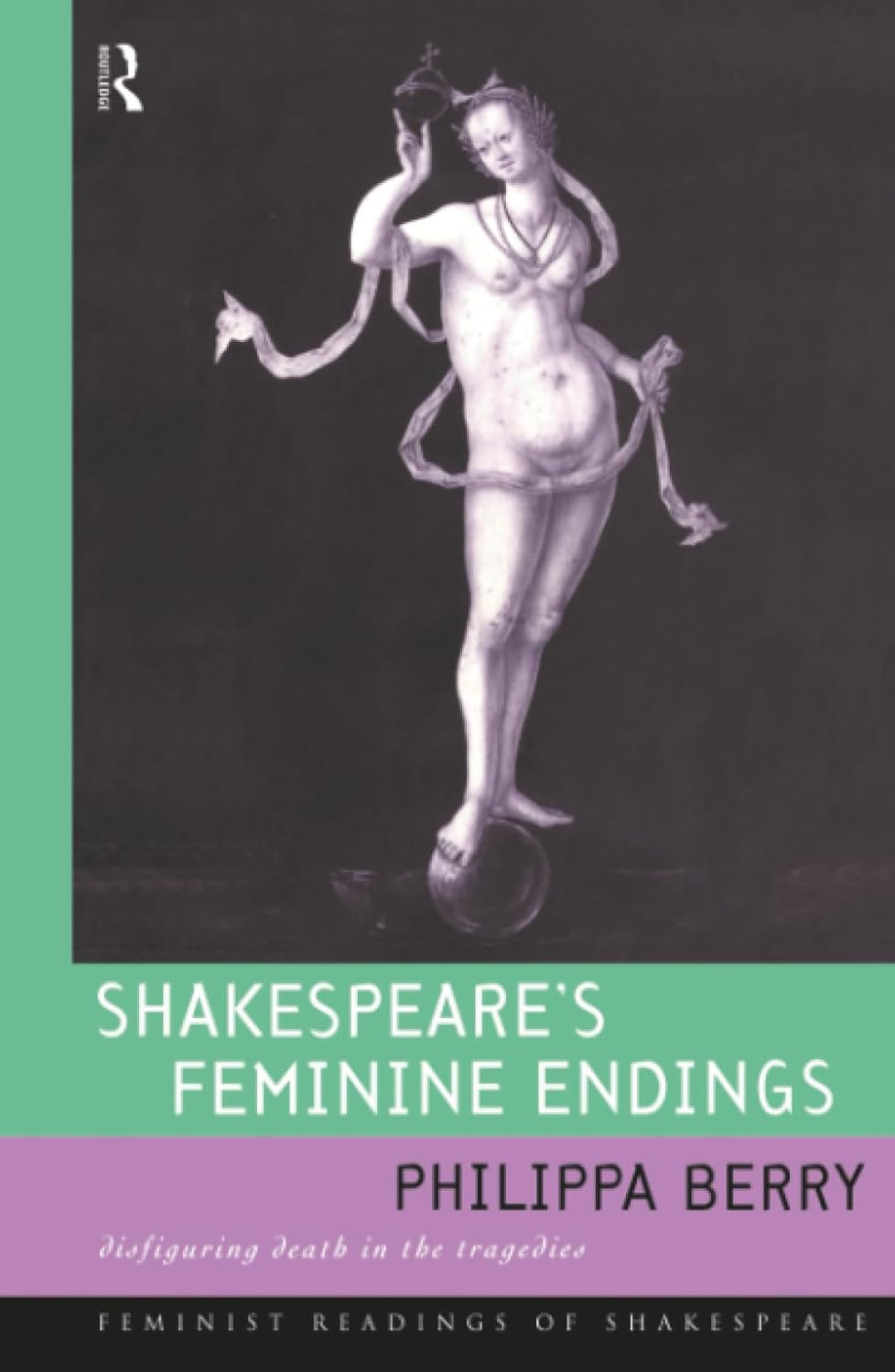
In this review of Shakespeare's Feminine Endings, Philippa Berry offers a rigorous, theory-driven reappraisal of Shakespearean tragedy that will most appeal to readers seeking an intersection of literary criticism and feminist theory. Berry's argument - that feminine or feminized figures rework ideas of death, matter and temporality across the plays - is steady and provocative, and the book rewards careful readers who want to trace a sustained theoretical network rather than a survey of plays. It is best bought for study and close reading rather than light background reading.
Key Features
- Feminist theoretical framework: Berry employs feminist theory to reveal how female figures restructure tragic meanings and challenge conventional endings.
- Interdisciplinary approach: The text integrates postmodern and queer theory so readers can connect Shakespearean tragedy to contemporary debates about time and matter.
- Close textual readings: The book presents detailed analyses of images clustered around feminine characters, aiding anyone doing focused play-by-play interpretation.
- Philosophical resonance: Berry draws parallels between early modern tragic speculation and modern philosophy, offering new perspectives on death, the soul and materiality.
- Scholarly tone: The writing is precise and suited to academic or advanced undergraduate readers who want conceptual depth over breezy summaries.
Who It's For
This book is for students, scholars and serious readers of Shakespeare who are comfortable with theoretical language and who want to rethink tragedy through a feminist and queer lens. In classroom settings it works well as a companion text for seminars on gender, mortality and early modern thought.
Readers looking for a general introduction to Shakespeare, a play-by-play guide, or a popular biography of Shakespeare should look elsewhere; the style here favors sustained argument and assumes some prior familiarity with critical theory and tragic conventions.
Pros & Cons
Pros
- Clear feminist focus that reframes tragic endings in productive ways.
- Interdisciplinary links that make the book relevant to philosophy and queer studies.
- Close readings that provide concrete textual evidence for Berry's claims.
Cons
- The scholarly, theory-heavy tone may be dense for readers seeking accessible introductions.
Specifications
| Title | Shakespeare's Feminine Endings |
| Subtitle | Feminist Readings of Shakespeare |
| Author | Philippa Berry |
| Focus | Feminist, postmodern and queer theoretical readings |
| Primary themes | Death, matter, time, the body and the soul |
| Intended audience | Students and scholars of literature and criticism |
Our Verdict
Shakespeare's Feminine Endings is a valuable purchase for readers committed to feminist and queer approaches to early modern drama; its interdisciplinary reach and careful close readings make it good value for study and academic use, though it is less suited to casual readers.
Frequently Asked Questions
Does this book focus on specific plays?
Yes, Berry develops arguments from images and figures across several tragedies, using close readings rather than a single-play focus.
Is the book accessible to beginners?
Not entirely; the text assumes familiarity with critical theory and is aimed at advanced undergraduates, graduate students and scholars.
Does it connect to contemporary theory?
Yes, the book explicitly links early modern tragic thought to postmodern, feminist and queer theory and to modern debates about time and matter.
Editor's Take
A rigorous, theory-driven reassessment of Shakespearean tragedy that rewards scholars and advanced students; valuable for its feminist and queer readings and interdisciplinary links.

Recently viewed
Recently viewed products will appear here as customers browse the store.