

Shakesplish: How We Read Shakespeare's Language - Reader-Focused
Shakesplish: How We Read Shakespeare's Language - Reader-Focused
Price subject to change. Tap below for current.
Couldn't load pickup availability
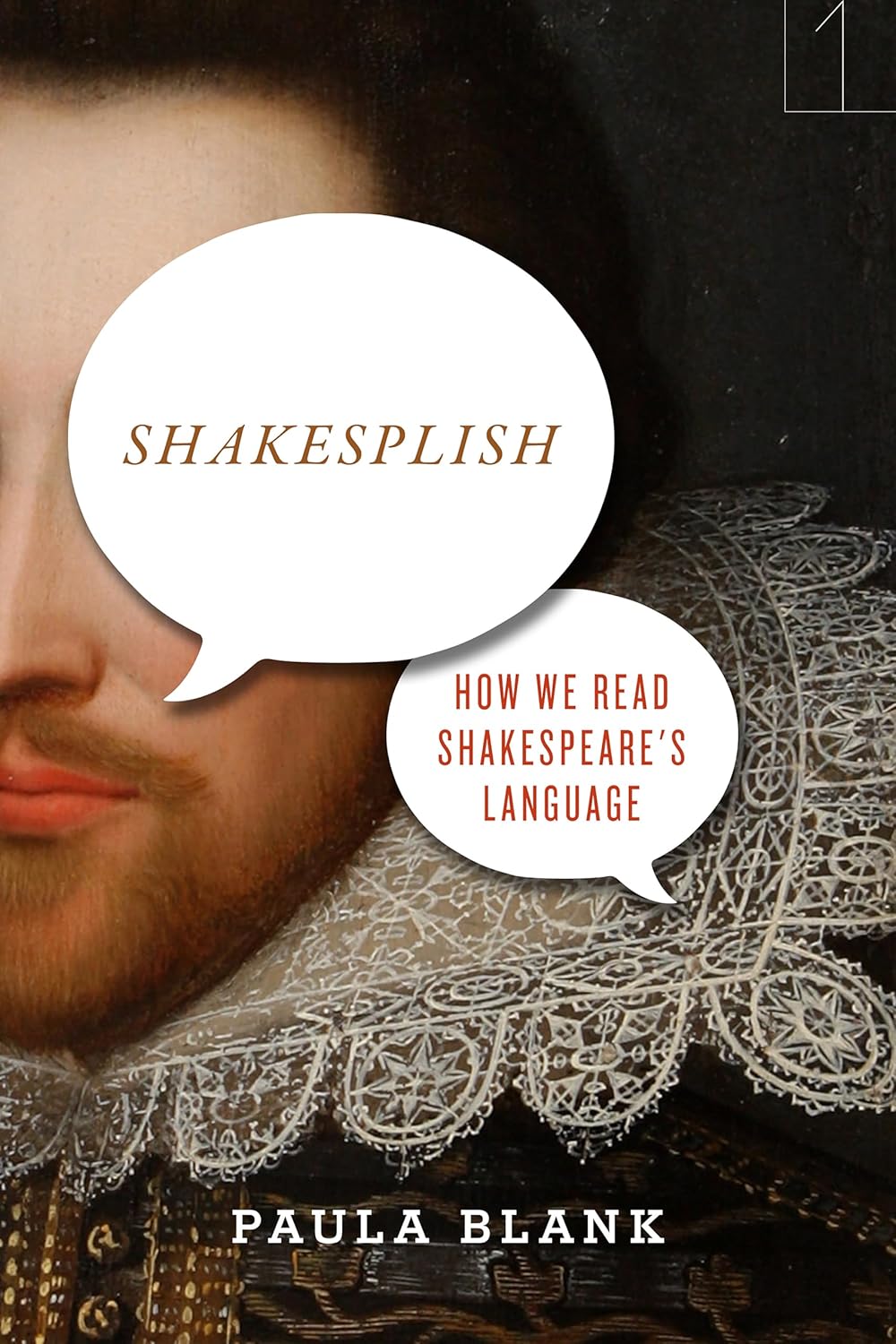
In this review of Shakesplish: How We Read Shakespeare's Language the bottom line is simple: Paula Blank offers an accessible, thoughtful account of why Shakespeare feels familiar to modern readers and how that sense of familiarity shapes interpretation. The book is aimed at students, teachers, and curious readers who want to understand the reader's experience of Early Modern English rather than a strict historical reconstruction. Blank draws on translation theory and linguistics to make a clear argument about how contemporary assumptions influence our reading, making this a valuable guide for anyone studying or teaching the Bard.
Key Features
- Reader-focused argument: The book explains how modern assumptions shape our understanding of Shakespeare, helping readers spot interpretive shortcuts they habitually take.
- Interdisciplinary approach: By drawing on translation theory and linguistics, Blank offers tools to analyze Shakespeare's language from a contemporary vantage point.
- Accessible prose: The writing is geared toward non-specialists, making complex ideas about Early Modern English easier to follow for students and general readers.
- Practical insights: The book gives concrete ways to rethink passages so classroom discussion and close reading can focus on reader response as well as historical context.
- Scholarly awareness: Blank situates her argument in relation to existing studies of Elizabethan English while maintaining a distinct, reader-centered perspective.
Who It's For
Shakesplish is best for literature students, secondary and university teachers, and thoughtful readers who already have some familiarity with Shakespeare and want to deepen their reading skills. It works well as a supplementary text in courses that balance historical context with modern interpretation.
Readers seeking a comprehensive philological history of Elizabethan English or a detailed edition of plays with textual notes should look elsewhere; this book does not aim to replace close historical scholarship but to complement it by focusing on how modern readers experience the language.
Pros & Cons
Pros
- Clarifies how contemporary assumptions influence interpretation, which helps improve classroom discussion.
- Uses translation theory and linguistics to provide fresh, usable analytical tools.
- Written in an accessible tone that invites non-specialists into scholarly debates.
Cons
- Not a substitute for detailed historical or philological studies, so readers wanting exhaustive Elizabethan linguistic data may be disappointed.
Specifications
| Title | Shakesplish: How We Read Shakespeare's Language |
| Series | Square One: First-Order Questions in the Humanities |
| Author | Paula Blank |
| Focus | Modern readers' experience of Early Modern English |
| Approach | Translation theory and linguistics applied to Shakespeare |
| Intended audience | Students, teachers, general readers interested in interpretation |
Our Verdict
Shakesplish is a concise, thoughtful book that fills a gap between historical linguistics and reader-centered criticism; buy it if you teach or study Shakespeare and want practical ways to rethink assumptions about language and meaning, since it offers solid value as a companion to more technical scholarship.
Frequently Asked Questions
Is this book aimed at specialists?
The book is written for informed general readers and teachers rather than narrow specialists in historical linguistics.
Does it replace editions with textual notes?
No, it complements textual scholarship by focusing on how modern readers interpret Early Modern English.
What methods does the author use?
Paula Blank uses translation theory and linguistics to analyze how contemporary assumptions shape readings of Shakespeare.
Editor's Take
Shakesplish is a concise, thoughtful companion for students and teachers that explains how modern readers' assumptions shape interpretations of Shakespeare, offering practical analytical tools alongside scholarly awareness.

Recently viewed
Recently viewed products will appear here as customers browse the store.