

Shattered but Unbroken - Edited Volume on Dissociative Identity
Shattered but Unbroken - Edited Volume on Dissociative Identity
Price subject to change. Tap below for current.
Couldn't load pickup availability
In this review of Shattered but Unbroken the reviewer finds a careful, often harrowing edited volume for readers seeking deep insight into Dissociative Identity Disorder. The book is best for clinicians, researchers and survivors who want both lived narratives and scholarly context; the single biggest reason to buy is its integration of survivor memoir and academic analysis that illuminates causes, correlates and interventions for DID. The book's structure - interweaving the unpublished memoir of Anna and pseudonymous life writing with academic chapters - makes it a thoughtful resource rather than a light read.
Key Features
- Integrated narratives and scholarship: The book combines survivor life writing with academic chapters so readers gain both personal perspective and theoretical context.
- Distinct two-part structure: Part 1 foregrounds the missing memoir of Anna alongside other life writings, offering an emotional throughline that informs the academic material.
- Focus on ritual abuse: Several contributors address the politics of anonymity and the specific experiences of survivors of ritual abuse, which adds depth to the DID discussion.
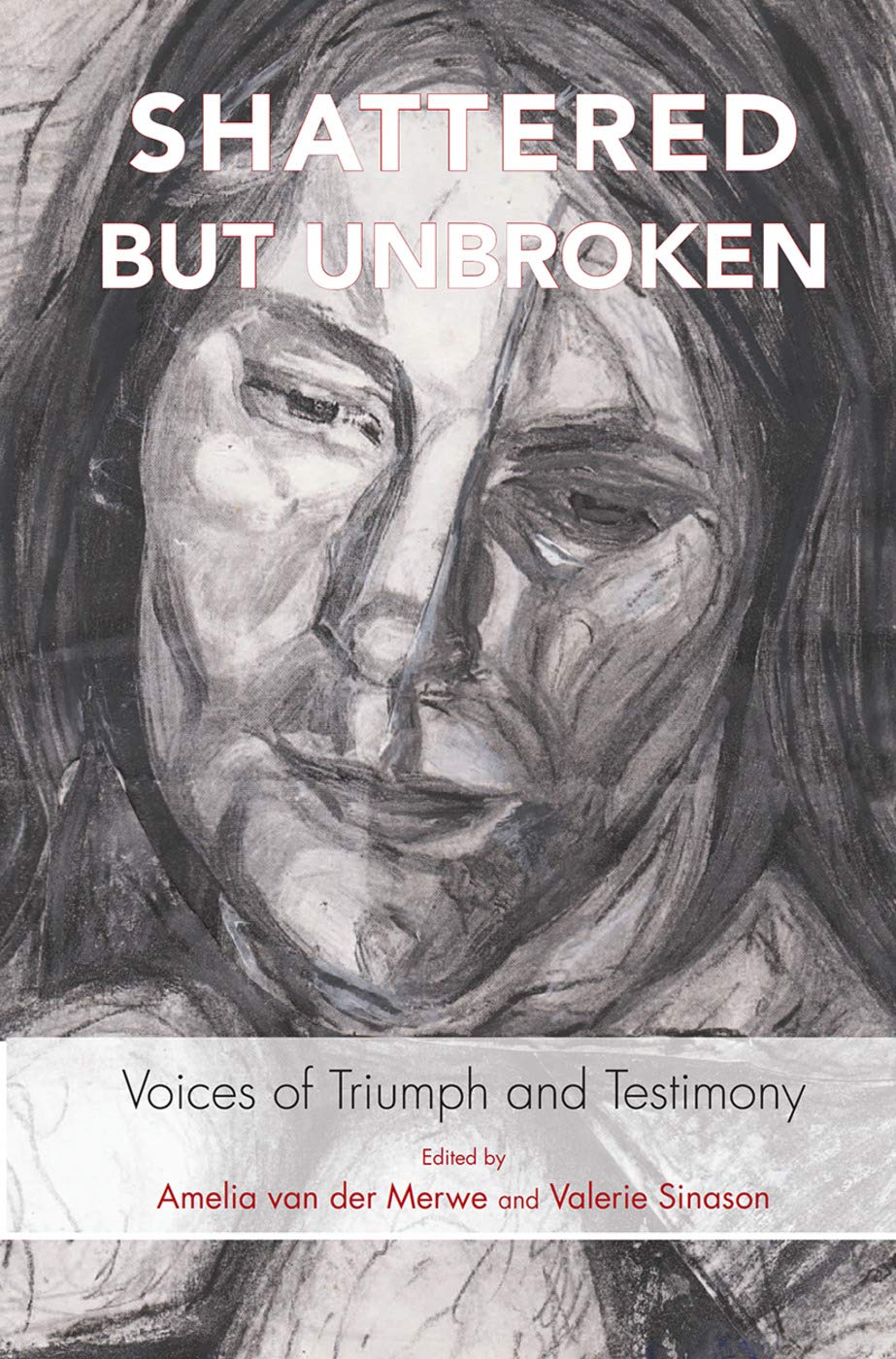
- Editorial framing: Edited by Amelia Van der Merwe and Valerie Sinason, the volume is arranged to connect personal testimony with causal and intervention-focused contributions.
- Ethical attention: The book explicitly addresses decisions around anonymity and retribution risk, useful for clinicians and survivors thinking about disclosure.
Who It's For
The volume is most useful for mental health professionals, trauma researchers and informed readers who need both survivor testimony and academic analysis to deepen their understanding of DID and ritual abuse. It is also valuable to survivors who seek validation in the voices of others and discussions of ethical anonymity.
Readers seeking a concise clinical manual or a light introduction to DID should look elsewhere, because the book prioritizes lived experience and scholarly essays over step-by-step treatment protocols.
Pros & Cons
Pros
- Interweaves survivor memoir and academic chapters to create a richer, multi-dimensional view of DID and its contexts.
- Thoughtful editorial approach addresses anonymity and retribution risks for survivors who write about ritual abuse.
- Useful for clinicians and researchers because it links life writing to discussions of causes, correlates and interventions.
Cons
- Not a clinical handbook; readers seeking practical treatment steps may find the focus more conceptual and testimonial than prescriptive.
Specifications
| Title | Shattered but Unbroken |
| Editors / Authors | Amelia Van der Merwe, Valerie Sinason |
| Primary focus | Dissociative Identity Disorder and ritual abuse |
| Structure | Two parts: life writing (including Anna's missing memoir) and academic contributions |
| Perspectives included | Survivor narratives and academic analyses |
| Ethical themes | Anonymity, politics of disclosure and retribution risk |
Our Verdict
Shattered but Unbroken is recommended for clinicians, researchers and survivors who want a serious, ethically minded exploration of DID that combines memoir with scholarship. It is good value for readers who prioritize depth, testimony and conceptual linkage between lived experience and intervention discussions, though those seeking a concise treatment manual should consider other titles.
Frequently Asked Questions
Does the book include survivor memoir?
Yes, the volume foregrounds the missing memoir of Anna and includes other life writings alongside academic chapters.
Is this a clinical treatment guide?
No, it emphasizes lived experience and scholarly discussion of causes, correlates and interventions rather than step-by-step clinical protocols.
Who edited the volume?
The book is edited by Amelia Van der Merwe and Valerie Sinason.
Editor's Take
Shattered but Unbroken is a thoughtful edited volume combining survivor memoir and academic analysis of Dissociative Identity Disorder; recommended for clinicians, researchers and survivors who want depth and ethical discussion rather than a clinical treatment manual.

Recently viewed
Recently viewed products will appear here as customers browse the store.