

Shostakovich in Dialogue - Complete Study of the String Quartets
Shostakovich in Dialogue - Complete Study of the String Quartets
Price subject to change. Tap below for current.
Couldn't load pickup availability
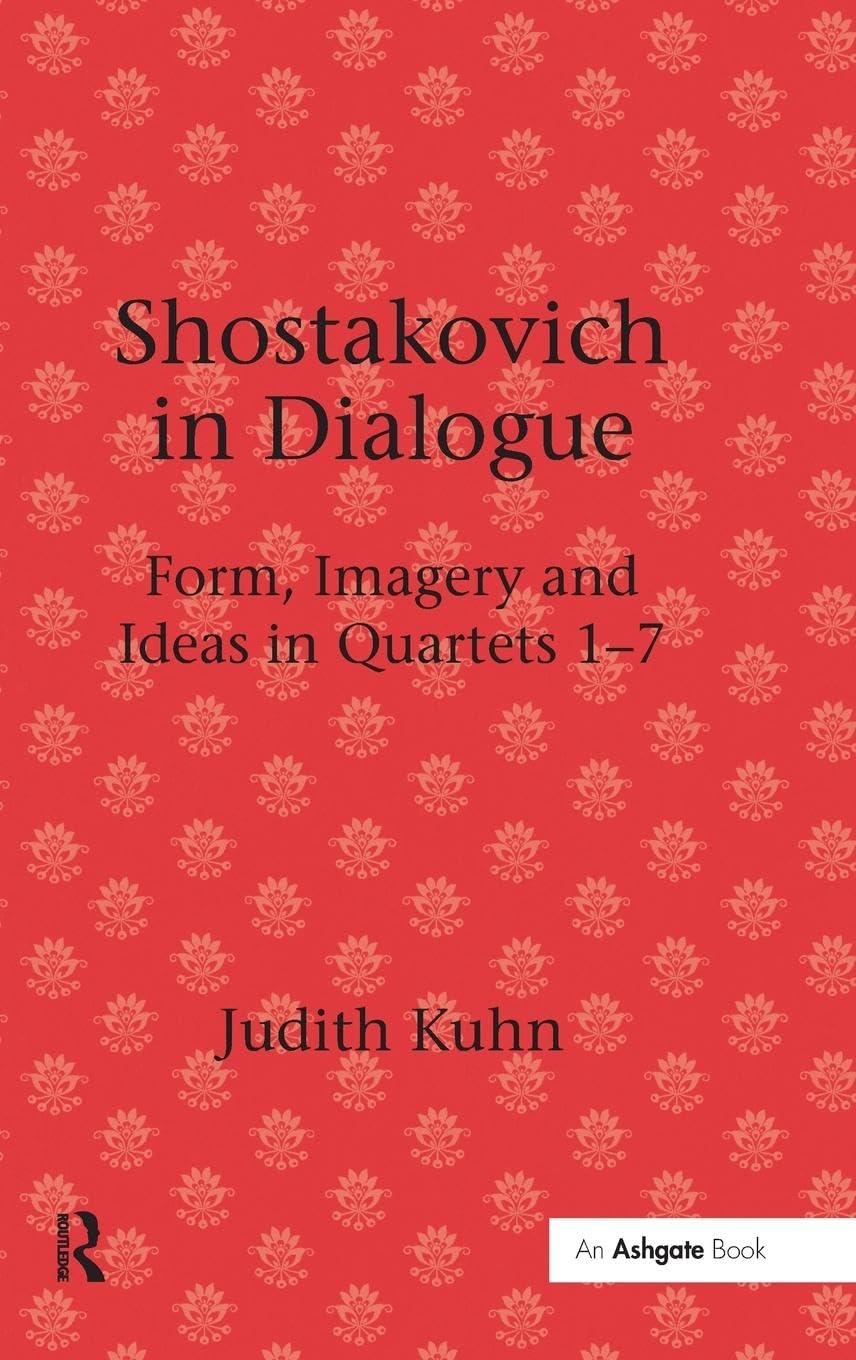
In this review of Shostakovich in Dialogue, Judith Kuhn presents the first systematic English-language study of the composer's complete string quartets, aimed at readers who want historical context and musical-language analysis. The book is best for musicians, scholars, and serious listeners seeking a sustained, rigorous examination rather than a short introduction. Kuhn's approach is scholarly but readable, and the book's single biggest reason to buy is its consistent, cycle-wide focus on the quartets that fills a long-standing gap in English-language scholarship.
Key Features
- Complete cycle focus: The book examines Shostakovich's entire set of string quartets in sequence, offering continuity of argument across all works.
- Historical context: Kuhn situates each quartet within its political and cultural moment to clarify how external forces shaped compositional choices.
- Musical-language analysis: Close readings of themes, harmony and structure illuminate recurring motives and expressive strategies.
- Scholarly clarity: The study intervenes in ongoing debates about meaning with measured evidence rather than polemic, helping readers parse conflicting interpretations.
- English-language accessibility: As a systematic English study, it opens the cycle to readers who lack access to non-English scholarship.
Who It's For
Shostakovich in Dialogue is ideal for graduate students, performers preparing quartet repertoire, and informed listeners who want a sustained, text-driven account of the quartets. Musicians will find the analytical segments useful for rehearsal and programming decisions, while historians will appreciate the contextual framing.
Readers seeking a brief overview or a popular biography of Shostakovich should look elsewhere; this is not a lightweight introduction or a narrative life story. Likewise, absolute beginners without basic musical literacy may find some analytical passages dense.
Pros & Cons
Pros
- Systematic treatment of the full quartet cycle that fills an English-language void.
- Careful historical framing that clarifies connections between music and context.
- Detailed musical-language analysis that benefits performers and scholars.
Cons
- Analytical depth can be demanding for casual readers or those without musical training.
Specifications
| Title | Shostakovich in Dialogue |
| Author | Judith Kuhn |
| Subject | Shostakovich's string quartets |
| Scope | Systematic study of the complete quartet cycle |
| Language | English-language scholarship |
| Approach | Historical context and musical-language analysis |
Our Verdict
Judith Kuhn's book is a substantial, well-argued resource for anyone serious about Shostakovich's string quartets: performers, scholars and engaged listeners will find its cycle-wide perspective and combined historical and analytical approach excellent value. Those wanting a light introduction should choose a different title, but for depth and clarity this study is hard to match.
Frequently Asked Questions
Does this book cover all of Shostakovich's string quartets?
Yes. The study is explicitly a systematic examination of the composer's complete quartet cycle.
Is the book suitable for performers?
Yes. The musical-language analysis and contextual notes are useful for quartet players preparing repertoire.
Is prior music theory knowledge required?
Some familiarity with basic musical terms is helpful, since analytical passages assume a degree of musical literacy.
Editor's Take
Judith Kuhn's Shostakovich in Dialogue is a substantial, cycle-wide study ideal for performers, scholars, and serious listeners; its historical framing and detailed analysis make it strong value for those seeking depth.

Recently viewed
Recently viewed products will appear here as customers browse the store.