

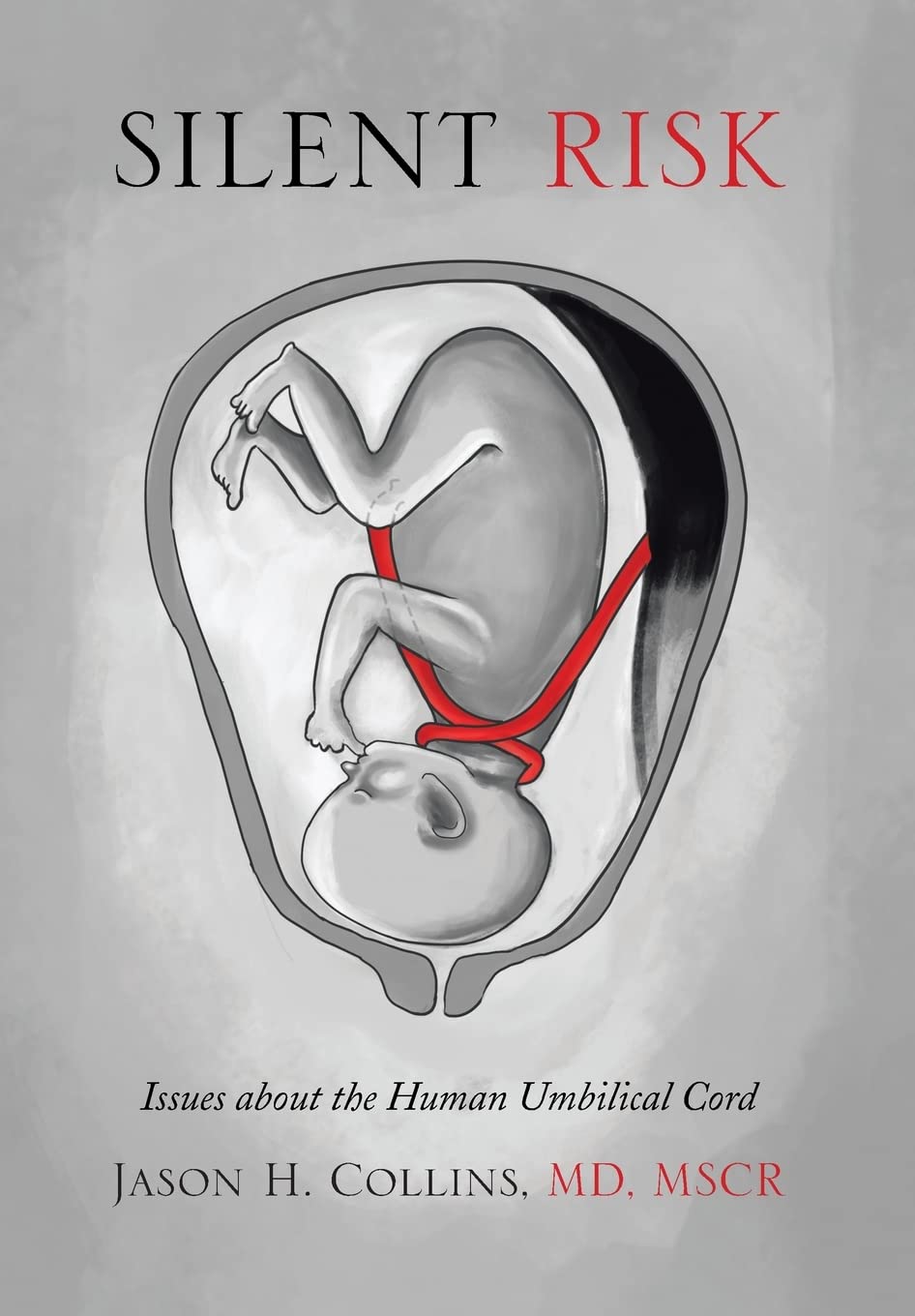
Silent Risk: Issues about the Human Umbilical Cord - Clinical
Silent Risk: Issues about the Human Umbilical Cord - Clinical
Price subject to change. Tap below for current.
Couldn't load pickup availability
In this review of Silent Risk: Issues about the Human Umbilical Cord, the reviewer finds a focused, clinically minded account intended for obstetricians, maternal-fetal medicine specialists, and concerned researchers. The book's central value is its concentrated discussion of unexplained umbilical cord accidents (UCA) and a proposed framework for recognition and prevention, making it a useful reference for clinicians who want evidence-linked ideas rather than general childbirth advice. Readers seeking patient-facing birthing guides or general parenting tips should look elsewhere.
Key Features
- Clinical focus: The text concentrates on umbilical cord accidents as a distinct clinical problem, helping practitioners recognize the issue in practice.
- Mortality context: Presents a striking estimate of roughly 8,000 UCA-related deaths per year in the United States, which frames the urgency of improved recognition.
- Circadian analysis: Reviews recent research into circadian rhythms to explain why many UCA stillbirths occur between 2:00 a.m. and 4:00 a.m., giving a temporal perspective clinicians can use.
- Physiologic mechanism: Explores melatonin's potential role via M2 receptor stimulation and how nocturnal uterine activity may overwhelm a compromised fetus.
- Prevention goal: Argues for an achievable initial target of a 50% reduction in loss through heightened recognition by the obstetrical community, offering a concrete public health aim.
Who It's For
This book is best suited to obstetricians, perinatologists, midwives with a research interest, and clinicians involved in stillbirth investigation who need a compact, hypothesis-driven discussion of UCA and related physiology. Medical librarians and academic clinicians looking for a focused resource on circadian factors in fetal compromise will also find it useful.
It is less appropriate for expectant parents seeking practical labor-and-delivery tips, lay readers wanting broad childbirth narratives, or clinicians seeking large randomized trial data, as the emphasis is on physiologic explanation and clinical recognition rather than extensive epidemiologic trial evidence.
Pros & Cons
Pros
- Provides a clear, clinically oriented discussion of umbilical cord accident mechanisms that can inform practice.
- Highlights a specific and actionable public health target: a proposed 50% reduction in UCA loss through recognition.
- Integrates circadian rhythm research and melatonin physiology to explain nocturnal timing of many UCA events.
Cons
- The book is narrowly focused and not intended as a comprehensive obstetrics textbook or patient guide, which limits its audience.
Specifications
| Title | Silent Risk: Issues about the Human Umbilical Cord |
| Author | Jason H. Collins MD MSCR |
| Primary topic | Umbilical cord accident (UCA) and related physiology |
| Key statistic | Estimated 8,000 UCA-related deaths per year in the US |
| Physiologic focus | Circadian rhythms and melatonin influence on uterine activity |
| Clinical aim | Recognition by obstetrical community and 50% reduction goal |
Our Verdict
Silent Risk is a valuable, concise clinical review for health professionals concerned with stillbirths and fetal compromise; its focused discussion of UCA mechanisms and nocturnal physiology makes it good value for clinicians seeking a targeted, actionable perspective rather than a general textbook.
Frequently Asked Questions
Does the book explain why UCA deaths cluster at night?
Yes. It examines circadian rhythm research and describes how melatonin secretion overnight may stimulate uterine contractions, potentially explaining a 2:00 a.m. to 4:00 a.m. clustering.
Is this written for patients or clinicians?
The book is written for clinicians and researchers; it is a technical, clinically oriented review rather than a patient-facing guide.
Does the author propose concrete prevention goals?
Yes. The author suggests an initial goal of a 50% reduction in UCA-related losses through improved recognition by the obstetrical community.
Editor's Take
Silent Risk is a concise, clinically focused review for obstetric clinicians that links umbilical cord accidents to nocturnal physiology and advocates recognition-driven prevention with a 50% reduction goal.

Recently viewed
Recently viewed products will appear here as customers browse the store.