

Sinicization and the Rise of China - Civilizational Politics
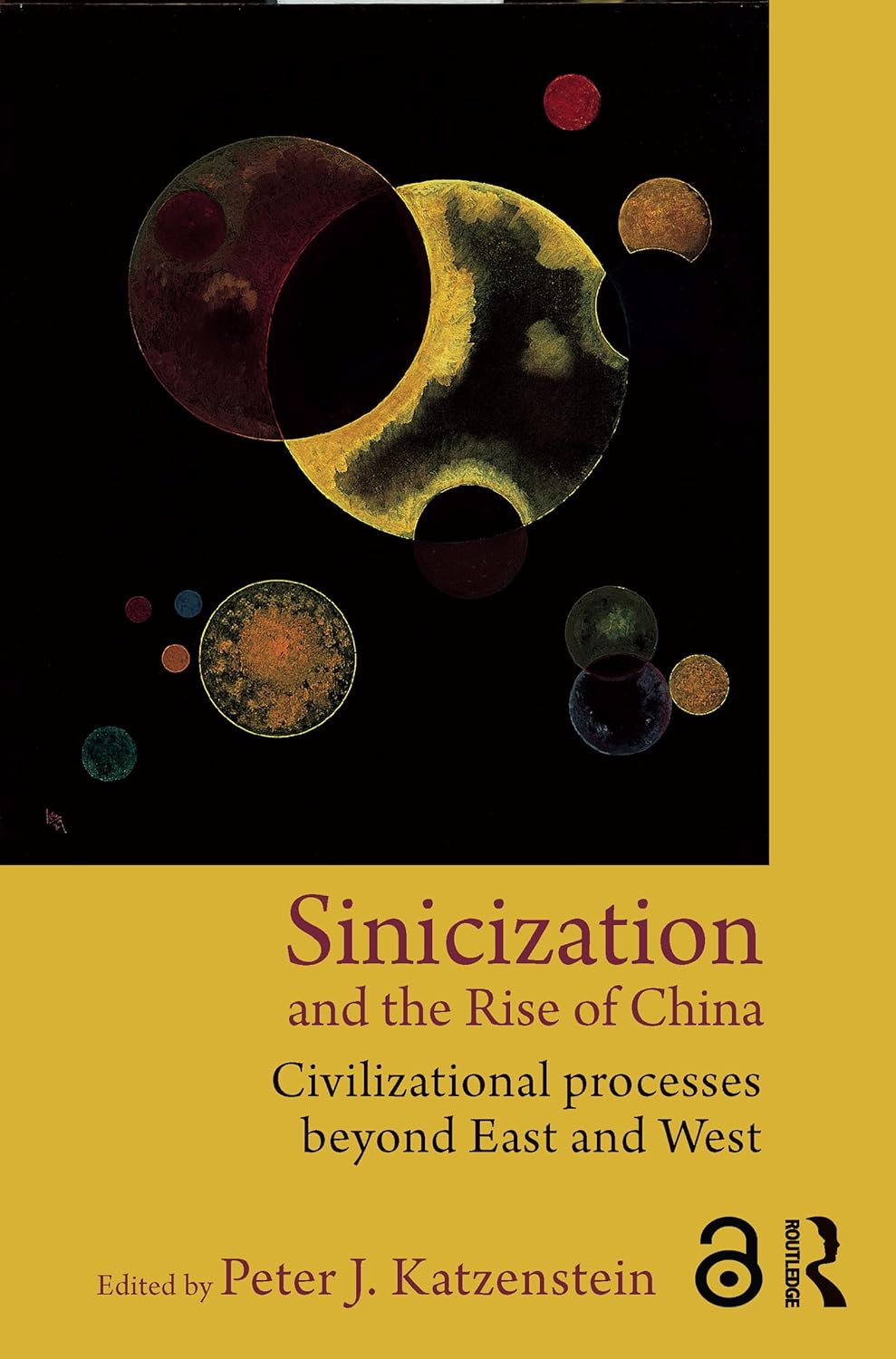
Sinicization and the Rise of China - Civilizational Politics
Price subject to change. Tap below for current.
Couldn't load pickup availability
In this review of Sinicization and the Rise of China the reviewer argues this is a thoughtful, scholarly treatment best suited to readers seeking a civilizational framing of contemporary Chinese change; its single biggest reason to buy is the focused argument that Chinas future will be a recombination of new and old elements rather than a simple rupture or return to the past. The book situates Sinicization as a deliberate lens for understanding political and social processes and challenges common East/West binaries, making it valuable for students and informed general readers interested in international and world politics.
Key Features
- Civilizational framing: Presents Sinicization as a lens that explains how China blends historical and modern influences rather than returning wholesale to the past.
- Comparative emphasis: Counters simple East/West dichotomies and shows how reification of civilizations skews policy and academic analysis.
- Historical and temporal scope: Traces civilizational politics in both space and time to give context to contemporary Chinese development.
- Analytic correction: Corrects common intellectual shortcuts and the mistakes they produce in discussion of Chinas rise.
- Focused case study: Uses Sinicization as a specific instance of broader civilizational processes, illustrating openness to variegated social and political influences.
Who It's For
This book is best for graduate students, scholars, and informed readers of international and world politics who want a civilizational perspective on Chinas contemporary trajectory and the intellectual tools to question simple categorizations. It is also suitable for policy analysts seeking a conceptual corrective to binary thinking about East and West.
Readers looking for a short primer, a popular history, or a policymemo with direct recommendations should look elsewhere; the work emphasizes analytic framing and civilizational interpretation over prescriptive policy steps or introductory overviews.
Pros & Cons
Pros
- Clear argument that Chinas future combines new and old elements, offering a useful corrective to rupture-focused narratives.
- A strong civilizational lens that highlights the social and political contexts shaping Chinese change.
- Useful for academic and policy discussions that need to move beyond simplistic East/West categories.
Cons
- The emphasis on analytic framing may feel dense for casual readers seeking a narrative history or practical policy prescriptions.
Specifications
| Title | Sinicization and the Rise of China |
| Author | Peter J. Katzenstein |
| Subject Area | Civilizational politics, international & world politics |
| Key Theme | Sinicization as recombination of new and old elements |
| Focus | Analytic correction of East/West reification |
| Intended Audience | Students, scholars, policy analysts |
Our Verdict
Sinicization and the Rise of China is a worthwhile purchase for readers who want a rigorous civilizational argument about Chinas evolution; it delivers a precise conceptual correction to binary thinking and is good value for anyone seeking a deep analytic perspective rather than a brief overview or policy guide.
Frequently Asked Questions
Does this book focus on modern Chinese politics?
The book situates modern change within long-term civilizational processes, emphasizing recombination of historical and new elements rather than a narrowly contemporary policy focus.
Who is the author?
Peter J. Katzenstein is the author, presenting a scholarly treatment of Sinicization and civilizational politics.
Is this accessible to nonacademics?
It is readable for informed general readers but is oriented toward academic and policy audiences and emphasizes analytic framing over introductory narrative.
Editor's Take
Sinicization and the Rise of China offers a rigorous civilizational argument that Chinas future will recombine new and old elements; it is recommended for scholars and policy analysts seeking an analytic corrective to binary thinking.

Recently viewed
Recently viewed products will appear here as customers browse the store.