

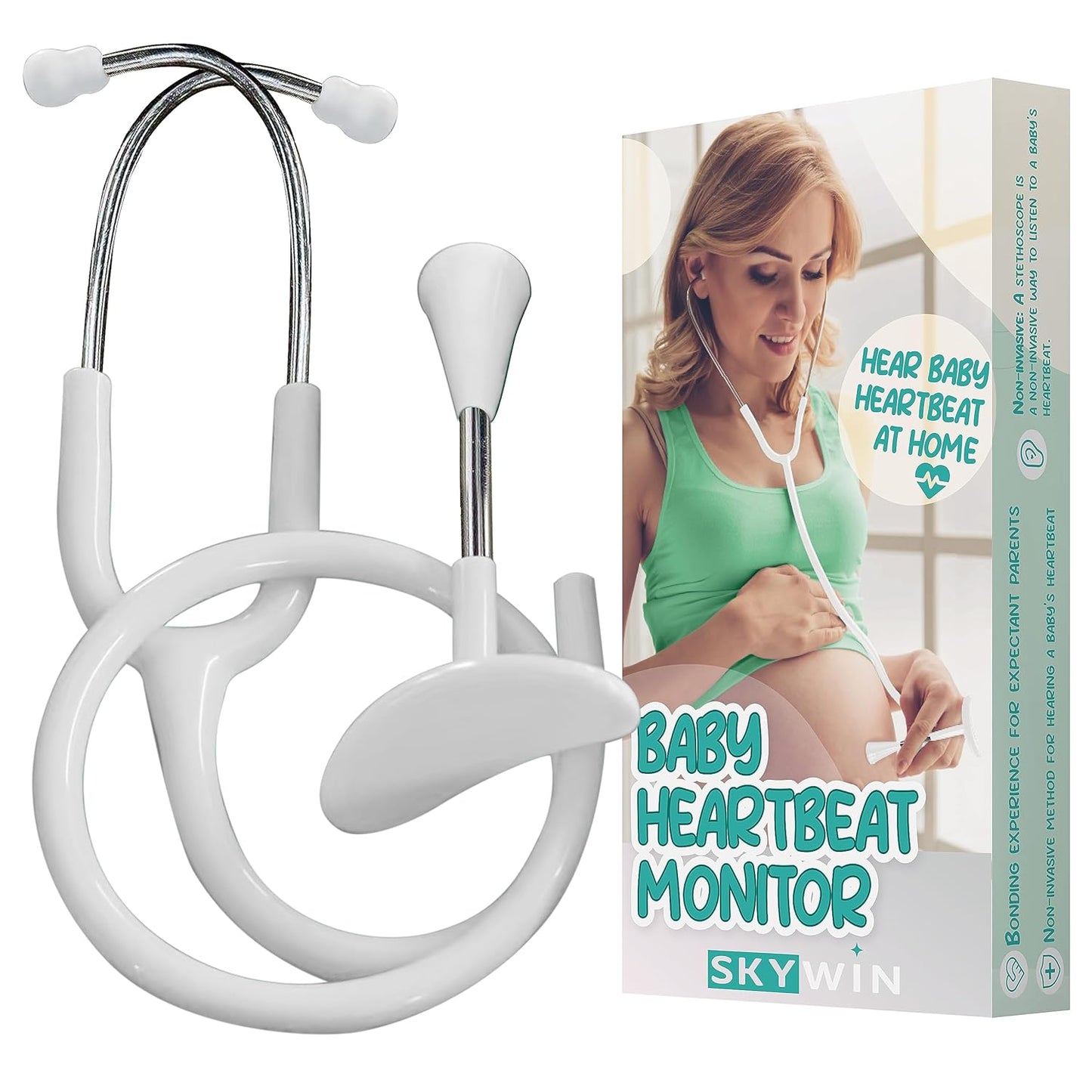
Skywin Fetal Heartbeat Monitor Fetoscope - Simple At-Home Detection
Skywin Fetal Heartbeat Monitor Fetoscope - Simple At-Home Detection
Price subject to change. Tap below for current.
Couldn't load pickup availability
In this review of the Skywin Fetal Heartbeat Monitor, the bottom line is clear: this simple Pinard-style fetoscope is best for expectant parents who want a quiet, low-tech way to try to hear their baby at home. The reviewer found it useful for sharing calm moments and verifying fetal heart tones late in pregnancy, but it is not a substitute for medical monitoring. Ease of use, portability, and the included user manual are the single biggest reasons to pick this model for nonclinical, occasional checks.
Key Features
- Pinard horn design: The classic acoustic shape focuses sound so you can listen for fetal heart tones without batteries or electronics.
- Instructional guidance included: A step-by-step user manual and troubleshooting tips are provided to help with positioning and timing for better detection.
- Portable and compact: Its lightweight, no-power design makes it easy to carry to appointments or use at home when you want a quiet moment.
- Quiet-room use recommended: The device works best in a silent environment and with earpieces fitted tightly to minimize outside noise.
- Designed for late detection: Intended to detect fetal heart tones most reliably around 30-36 weeks, reflecting realistic expectations for a fetoscope.
Who It's For
This fetoscope is aimed at parents in the second half of pregnancy who want a simple, tactile way to try to hear fetal heart tones without electronics. It is good for people who value portability and a device that requires no batteries or charging and who are comfortable following positioning and timing instructions to improve chances of detection.
People who need reliable early detection, continuous monitoring, or clinical-grade readings should look elsewhere and consult a healthcare professional. This is not a replacement for professional prenatal care or Doppler monitors used by clinicians.
Pros & Cons
Pros
- Very portable and requires no batteries, making it convenient for travel or shared moments with family.
- Clear user manual and troubleshooting tips help users learn positioning and when to listen for best results.
- Acoustic design avoids electronics, offering a low-cost, low-maintenance option for occasional home checks.
Cons
- Not effective for early pregnancy detection; most users will only reliably hear tones around 30-36 weeks.
Specifications
| Product type | Acoustic fetoscope (Pinard horn) |
| Brand | Skywin |
| Best detection window | Typically 30-36 weeks (possible 24-30 weeks) |
| Power | No batteries or charging required |
| Included documents | User manual and troubleshooting tips |
| Portability | Compact, lightweight for travel |
Our Verdict
The Skywin fetoscope is a practical, low-tech choice for parents who want a quiet, portable way to try to hear fetal heart tones late in pregnancy. It offers good value for occasional home checks thanks to its simple acoustic design and helpful instructions, but it should be used with realistic expectations and not as a substitute for professional prenatal monitoring.
Frequently Asked Questions
When can I expect to hear the heartbeat?
Most users have the best chance between 30 and 36 weeks; detection before 24 weeks is unlikely.
What if I cant hear anything?
Try again later in a quiet room, check earpiece fit, and follow the troubleshooting tips; fetal movement and position affect results.
Does it need batteries?
No, this is an acoustic fetoscope and works without power, batteries, or recharging.
Editor's Take
The Skywin fetoscope is a practical, low-tech option for parents wanting an at-home, portable way to try to hear fetal heart tones late in pregnancy; it offers good value but is not a substitute for professional monitoring.

Recently viewed
Recently viewed products will appear here as customers browse the store.