

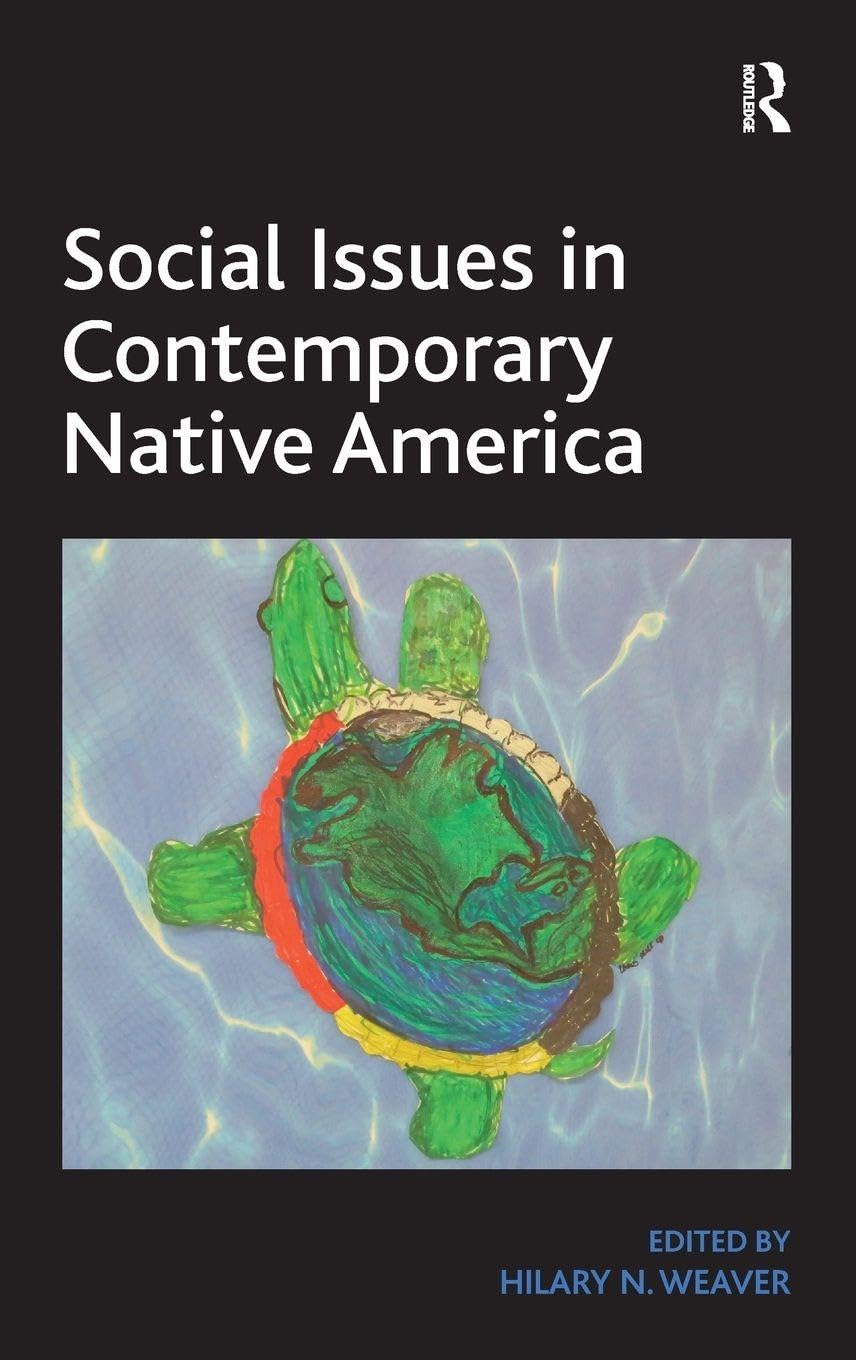
Social Issues in Contemporary Native America - Comprehensive Social
Social Issues in Contemporary Native America - Comprehensive Social
Price subject to change. Tap below for current.
Couldn't load pickup availability
Our review of Social Issues in Contemporary Native America finds it a focused, academic collection for professionals and students who need a thorough, contextualized survey of Native American social work. Edited by Hilary N. Weaver, the book brings together leading practitioners and researchers to map historical roots and present-day practice across families, community health, and revitalization. The strongest single reason to buy is its blend of history and applied perspectives that make it useful as both a classroom text and a practitioner reference for work with Native children, families, and reservation communities.
Key Features
- Edited collection: Multiple contributors provide a range of expert perspectives that together create a comprehensive overview of contemporary Native American social issues.
- Historical context: Sections place modern social work practice within historical foundations so readers understand long-term influences on policy and community conditions.
- Practical focus: Chapters address working with Native children and families, offering insights that are directly relevant to social work practice in the USA and Canada.
- Community emphasis: Coverage of community health, wellness, revitalization, and decolonization supports professionals engaged in systemic and community-based work.
- Educational value: The book is structured for use in classrooms and professional development, making it a solid choice for instructors and students in social work and allied fields.
Who It's For
The primary audience is social work educators, students, and human service professionals working with Native American populations in the USA and Canada who need a scholarly yet practice-oriented resource. Those teaching courses on Indigenous social work or designing interventions on reservations will find the historical framing and case-oriented chapters particularly useful.
Practitioners seeking quick how-to guides for specific clinical techniques or casual readers wanting a general history of Indigenous peoples should look elsewhere; this volume is best used as a professional textbook and reference rather than light reading.
Pros & Cons
Pros
- Comprehensive scope across family, community health, and revitalization provides a unified resource for multiple aspects of practice.
- Contributors include leading Native American social workers and researchers, ensuring authoritative perspectives.
- Strong historical grounding helps readers connect past policies and events to contemporary social work challenges.
Cons
- The academic, edited-collection format can feel dense for readers seeking brief practical manuals or quick clinical tools.
Specifications
| Title | Social Issues in Contemporary Native America |
| Editor | Hilary N. Weaver |
| Scope | Native American children, families, community health, revitalization, decolonization |
| Geographic focus | United States and Canada |
| Audience | Social work educators, students, human service professionals |
| Structure | Divided into four major sections with introductions |
Our Verdict
Social Issues in Contemporary Native America is a valuable, well-organized resource for anyone teaching or practicing social work with Indigenous communities in North America. Its combination of historical context and applied chapters makes it good value as a textbook or reference, especially for those committed to community-centered and decolonizing approaches.
Frequently Asked Questions
Is this book suitable for classroom use?
Yes. The book's division into sections with introductions and its scholarly contributors make it well suited for social work courses and graduate-level seminars.
Does it cover both the USA and Canada?
Yes. The content explicitly addresses Native American social issues in both the United States and Canada.
Is it a practical guide for clinicians?
It offers practical perspectives and case-relevant insight, but it is primarily an academic, comprehensive volume rather than a step-by-step clinical manual.
Editor's Take
A valuable, well-organized resource for social work educators and practitioners working with Indigenous communities in the USA and Canada, combining historical context with applied chapters for classroom and practice use.

Recently viewed
Recently viewed products will appear here as customers browse the store.