

Socrates And The Socratic Schools - In-Depth Historical Study
Socrates And The Socratic Schools - In-Depth Historical Study
Price subject to change. Tap below for current.
Couldn't load pickup availability
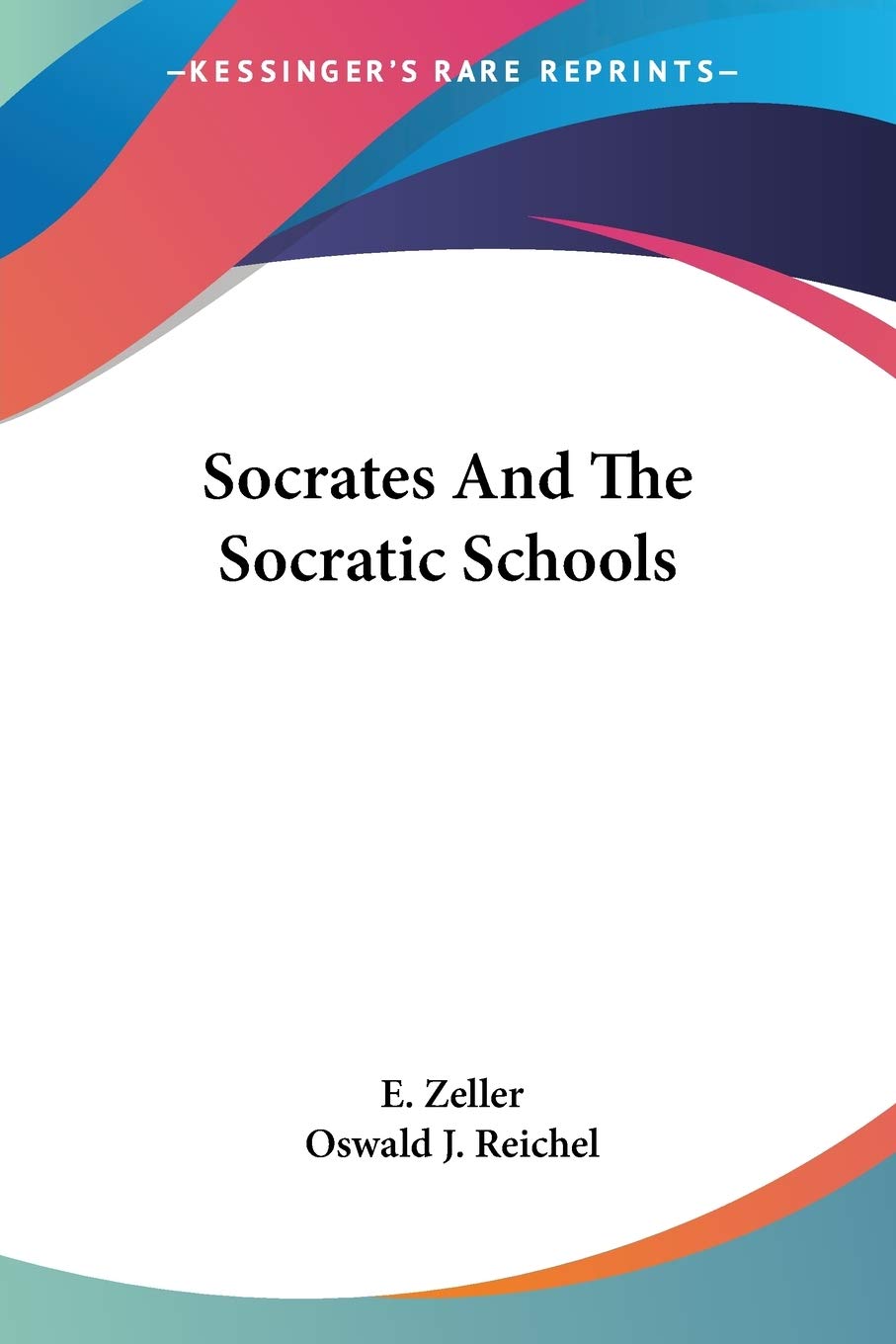
In this review of Socrates and the Socratic Schools, the reviewer finds a detailed, scholarly exploration of Socrates and the movements that followed him, best suited for readers seeking historical depth rather than a brief introduction. E. Zeller traces Socratic methodology and the distinct doctrines of the Cynics, Cyrenaics, and Megarians, providing close readings that reveal how these schools approached ethics, politics, and metaphysics. The book's thoroughness and historical framing make it a strong reference for students, instructors, and lifelong learners interested in the roots of Western philosophy.
Key Features
- Comprehensive historical analysis: The book situates Socrates and the Socratic schools in their historical context, helping readers understand how social and political factors shaped each school.
- Socratic methodology explained: Zeller examines Socratic questioning and philosophical method, clarifying how debate and dialectic functioned in practice.
- School-by-school breakdown: Each major Socratic offshoot-Cynics, Cyrenaics, Megarians-is analyzed for its core doctrines and distinguishing concerns.
- Focus on ethics and politics: The book highlights how different Socratic traditions approached ethical theory and civic life, useful for comparative study.
- Influence on Western thought: Zeller connects the Socratic legacy to later philosophical movements, showing long-term intellectual impact.
Who It's For
This work is best for philosophy students, historians of ideas, and general readers who prefer a thorough, academic treatment of Socrates and his intellectual heirs. The reviewer recommends it as a supplemental text for courses in ancient philosophy or for anyone compiling a reading list on classical Greek thought.
Readers seeking a short, introductory overview or a lightly illustrated popular history should look elsewhere, as Zeller's approach is text-focused and assumes some familiarity with philosophical terminology and classical history.
Pros & Cons
Pros
- Detailed analysis provides clarity on distinct Socratic positions and their arguments.
- Historical framing helps readers see how political and social context influenced doctrine.
- Useful as a scholarly reference for further study and classroom use.
Cons
- The text is dense and scholarly, which can be challenging for readers without prior background in philosophy.
Specifications
| Title | Socrates and the Socratic Schools |
| Author | E. Zeller |
| Contributing Editor | Oswald J Reichel |
| Subject | Ancient Greek philosophy and schools of thought |
| Focus Areas | Ethics, politics, metaphysics, historical context |
| Recommended Audience | Students, instructors, readers of philosophical history |
Our Verdict
Socrates and the Socratic Schools is a valuable, well-researched study that rewards readers who want rigorous historical and philosophical analysis. It is good value for students and scholars seeking depth on Socratic thought, though casual readers may prefer a lighter introduction first.
Frequently Asked Questions
Does this book cover multiple Socratic schools?
Yes. Zeller examines the Cynics, Cyrenaics, Megarians and other Socratic offshoots and compares their doctrines.
Is this suitable for beginners?
It is more suited to readers with some background in philosophy or classical history; newcomers may find the treatment dense.
Does the book address ethics and politics?
Yes. The analysis includes the schools' views on ethics, civic life, and related metaphysical questions.
Editor's Take
A rigorous, historically informed study that clearly explains Socratic methodology and the doctrines of the Cynics, Cyrenaics, and Megarians; recommended for students and scholars seeking depth, though dense for casual readers.

Recently viewed
Recently viewed products will appear here as customers browse the store.