

Soft CLIL and English Language Teaching - Practical EFL Guidance
Soft CLIL and English Language Teaching - Practical EFL Guidance
Price subject to change. Tap below for current.
Couldn't load pickup availability
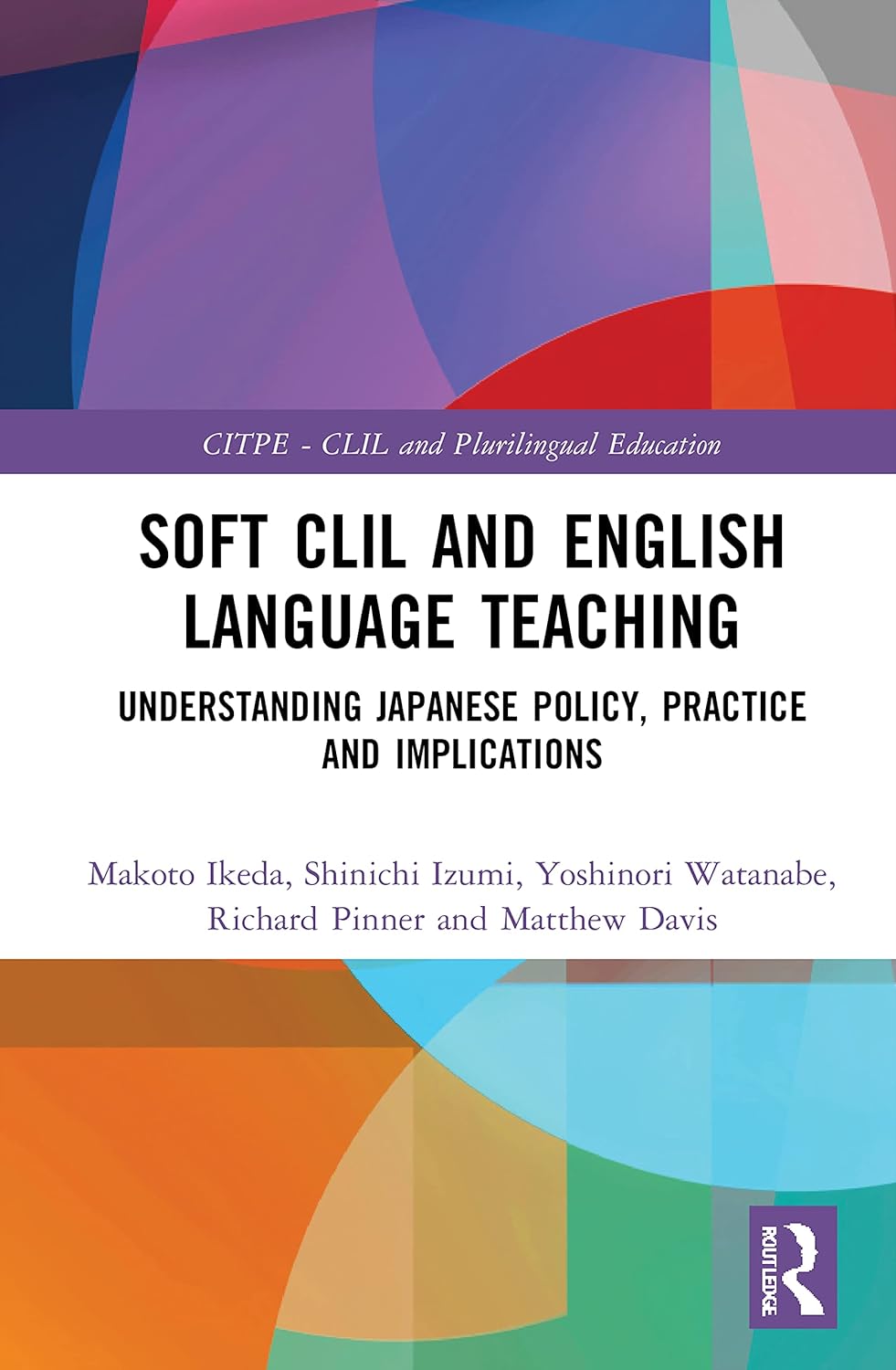
In this review of Soft CLIL and English Language Teaching, the editors examine how soft CLIL can be applied within English as a Foreign Language classrooms in Japan. The bottom line: this volume is best for language teachers and teacher educators seeking concrete, classroom-focused interpretations of CLIL that prioritise language learning alongside content. It avoids heavy theoretical jargon and makes a clear case for a practical EFL approach to CLIL, offering real classroom examples and methodological distinctions that help readers adapt soft CLIL techniques in English-focused curricula.
Key Features
- Contextual focus: Chapters draw on Japanese EFL settings to show how CLIL works where English is the subject rather than the medium, giving relevant examples for similar contexts.
- Methodology explained: The book outlines CLIL methodology clearly, helping teachers understand how to sequence content and language aims in lessons.
- Hard vs soft CLIL: A direct comparison of subject-led and language-oriented CLIL helps readers choose an approach suited to their classroom goals.
- Practitioner experiences: Multiple contributors offer practitioner accounts that highlight challenges and adaptations when implementing soft CLIL in EFL classes.
- Teacher-oriented: Emphasis on classroom application makes the material immediately useful for in-service teachers and teacher trainers.
Who It's For
This book is aimed primarily at EFL teachers, teacher educators, and curriculum developers working in contexts where English is taught as a subject and not the medium of instruction. It is especially useful for practitioners in Japan or similar educational systems who want to align content tasks with language development.
Those seeking a deep theoretical treatise on bilingual education or research-heavy comparative studies of CLIL across many countries may find the scope narrow; instead, readers should look elsewhere if they need extensive empirical meta-analysis or policy-level frameworks for nationwide implementation.
Pros & Cons
Pros
- Practical classroom examples make soft CLIL accessible to EFL teachers without extensive background in CLIL theory.
- Clear discussion of hard versus soft CLIL helps teachers decide which orientation fits their aims.
- Contributors with direct experience in Japan provide realistic adaptations and solutions for common implementation issues.
Cons
- The focus on Japanese EFL contexts means examples may be less directly transferable to very different educational systems.
Specifications
| Title | Soft CLIL and English Language Teaching |
| Series | Routledge Series in Language and Content Integrated Teaching & Plurilingual Education |
| Editors / Authors | Makoto Ikeda, Shinichi Izumi, Yoshinori Watanabe, Richard Pinner, Matthew Davis |
| Focus | Soft CLIL in EFL contexts in Japan |
| Content | Methodology, practitioner experiences, hard vs soft CLIL distinction |
| Audience | EFL teachers, teacher educators, curriculum developers |
Our Verdict
Soft CLIL and English Language Teaching is a practical, teacher-focused volume that makes a persuasive case for adopting language-oriented CLIL within EFL classes. For practitioners seeking classroom-ready strategies and a clear comparison of CLIL approaches, it offers good value; readers needing broad comparative research or policy guidance should supplement it with other texts.
Frequently Asked Questions
Is this book suitable for non-Japanese contexts?
Yes; while examples come from Japan, the soft CLIL techniques and methodology can be adapted to other EFL settings with similar curricular constraints.
Does the book cover both hard and soft CLIL?
Yes; chapters outline differences between hard CLIL (subject-led) and soft CLIL (language-oriented) and focus on EFL interpretations of soft CLIL.
Who are the contributors?
The volume is edited and written by practitioners and academics including Makoto Ikeda, Shinichi Izumi, Yoshinori Watanabe, Richard Pinner, and Matthew Davis.
Editor's Take
A practical, teacher-focused volume that explains soft CLIL for EFL classrooms and offers classroom-ready strategies; ideal for practitioners seeking applied methodology rather than broad policy research.

Recently viewed
Recently viewed products will appear here as customers browse the store.