

Sourcebook of Experiential Education - Essential Reference
Sourcebook of Experiential Education - Essential Reference
Price subject to change. Tap below for current.
Couldn't load pickup availability
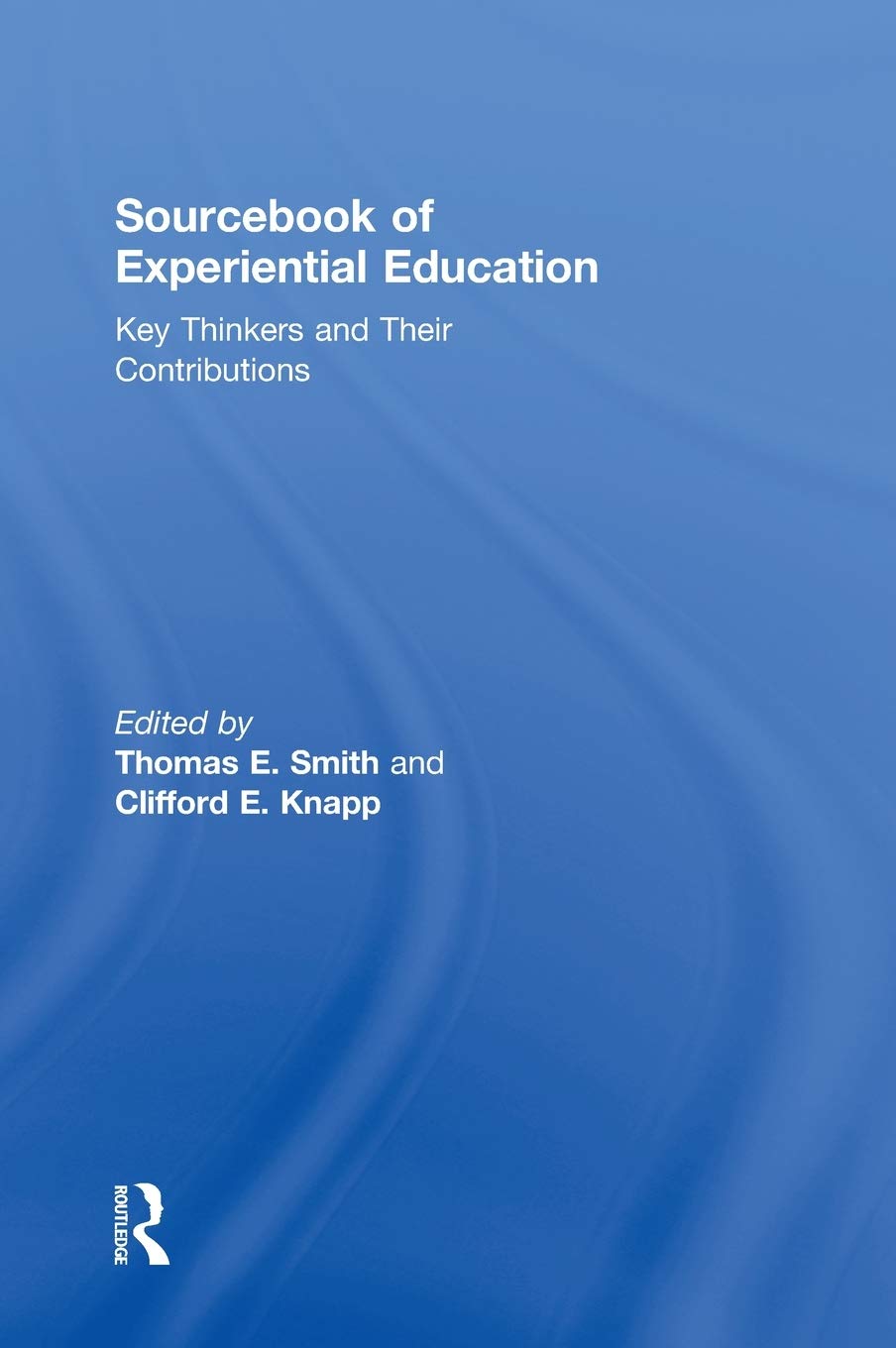
In this review the Sourcebook of Experiential Education is presented as a focused reference for educators, program founders, and students of education theory seeking a compact introduction to influential thinkers in the field. The book assembles biographical snapshots and interpretive essays that link philosophy to practice, and its single biggest reason to buy is the clear organization that brings philosophers, nature and outdoor educators, psychologists, sociologists, and school founders together in one volume for quick comparative study.
Key Features
- Concise biographical sketches: Each chapter profiles an individual whose life and work illustrate a model of experiential education, making complex ideas accessible through biography.
- Organized by theme: The book is divided into four sections so readers can quickly locate philosophers, nature educators, psychologists, or program founders relevant to their interests.
- Historical context: Brief snapshots of John Dewey and Kurt Hahn provide foundational context that helps readers see contemporary practice in a longer intellectual line.
- Practical orientation: Focus on philosophy and practice links theoretical concepts to real-world educational programs and approaches.
- Curated selection: Contributors highlight key figures whose writings and work are most relevant to understanding experiential learning traditions.
Who It's For
The Sourcebook is best for teacher-educators, graduate students in education, outdoor program leaders, and curriculum designers who want a single-volume entry point into the people and ideas behind experiential education. Its organization by categories helps instructors assemble readings or design seminar sessions around linked thinkers.
Those seeking step-by-step activity guides, lesson plans, or a comprehensive textbook on methods should look elsewhere; this book is interpretive and biographical rather than a manual of classroom exercises or program implementation checklists.
Pros & Cons
Pros
- Wide coverage of influential figures gives readers varied perspectives on what experiential education has meant historically.
- Clear structure into four themed sections makes cross-referencing and course use straightforward.
- Biographical focus helps readers connect philosophical ideas to the lived practice of educators and founders.
Cons
- Not a how-to manual; readers wanting detailed practice guides will need supplemental resources.
Specifications
| Title | Sourcebook of Experiential Education |
| Authors / Brand | Thomas E. Smith, Clifford E. Knapp |
| Content focus | Philosophers, nature and outdoor educators, psychologists, sociologists, program founders |
| Opening context | Snapshots of John Dewey and Kurt Hahn |
| Structure | Four thematic sections with individual chapters |
| Primary approach | Biographical and historical models |
Our Verdict
The Sourcebook of Experiential Education is a compact, well-organized reference that serves instructors and students who need thoughtful introductions to the people behind the practice. It delivers strong value for anyone assembling course readings or seeking readable context for experiential methods, but it should be paired with practical manuals for those implementing programs.
Frequently Asked Questions
Does this book include practical lesson plans?
No. The book emphasizes biographies and theory rather than step-by-step lesson plans or activity guides.
Which thinkers are profiled first?
Brief snapshots introduce John Dewey and Kurt Hahn before the volume proceeds into its four themed sections.
Is this suitable for course use?
Yes. The organization and concise chapters make it useful as a course reader or companion text for seminars on experiential education.
Editor's Take
A compact, well-organized reference that introduces influential thinkers in experiential education; ideal for instructors and students who need contextual biographies rather than practical lesson plans.

Recently viewed
Recently viewed products will appear here as customers browse the store.