

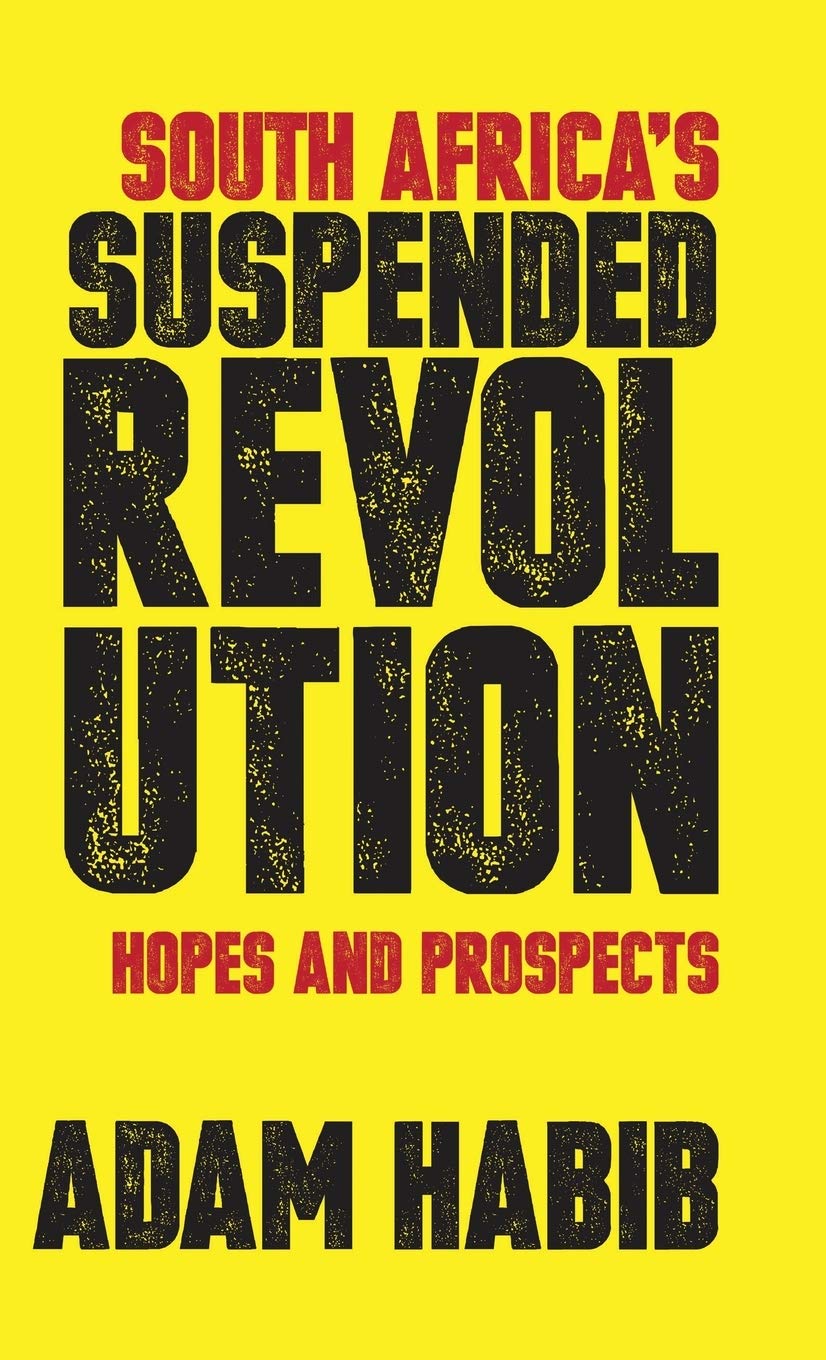
South Africa's Suspended Revolution: Hopes and Prospects
South Africa's Suspended Revolution: Hopes and Prospects
Price subject to change. Tap below for current.
Couldn't load pickup availability
In this review of South Africa's Suspended Revolution readers will find a clear, scholarly account of the countrys democratic transition and its continuing challenges; the book is best for readers seeking a serious political analysis rather than a popular history. Adam Habib, an established commentator, frames the narrative around the transfer of leadership in the African National Congress and then places that moment in the broader context of citizen-elite relations, economic policy evolution, and South Africas re-engagement with the world. The book's strength is its combination of historical detail and contemporary analysis, making it a useful resource for students, policy watchers, and engaged citizens.
Key Features
- Transition focus: Provides a focused account of the ANC leadership change from Thabo Mbeki to Jacob Zuma, clarifying a pivotal moment in modern South African politics.
- Elite-citizen relations: Analyzes how political elites relate to citizens, offering readers insight into the gaps between democratic institutions and public expectations.
- Policy evolution: Traces the evolution of economic and social policies through the democratic transition so readers can follow policy continuities and shifts.
- Business community development: Examines the emergence of a postapartheid business community, which helps explain current economic power structures.
- Foreign policy lens: Discusses South Africas efforts to re-engage with the world community, useful for readers interested in international relations.
- Authoritative voice: Written by a leading South African scholar and commentator, the book balances historical narrative with contemporary commentary.
Who It's For
The book is suited to students of politics, researchers, policy analysts, and readers who want a substantive, academically grounded account of South Africas democratic transition. It is particularly valuable for those studying postcolonial governance, comparative transitions, or the politics of the African continent.
Casual readers seeking a light or anecdotal history may find the tone too analytical; journalists needing quick timelines might prefer a concise reference, while those wanting a memoir-style account should look elsewhere.
Pros & Cons
Pros
- Provides a thorough political narrative of the ANC leadership change, helping readers understand a critical turning point.
- Connects political developments to economic and social policy, offering a multidimensional view of transition effects.
- Places South Africa in a global context with discussion of foreign policy and re-engagement.
Cons
- The book's analytical, academic tone may be dense for readers expecting a casual or popular narrative.
Specifications
| Title | South Africa's Suspended Revolution: Hopes and Prospects |
| Author | Adam Habib |
| Subject | South African democratic transition and political analysis |
| Focus areas | ANC leadership change, elite-citizen relations, policies, business community, foreign policy |
| Audience | Students, researchers, policy analysts, engaged citizens |
| Tone | Scholarly and analytical |
Our Verdict
South Africa's Suspended Revolution is a well grounded, analytical study that rewards readers who want to understand the political and policy dimensions of South Africas transition. Its strength lies in combining historical narrative with policy and international context, making it good value for students and analysts who need a thoughtful, evidence based account rather than a popular overview.
Frequently Asked Questions
Does the book cover the ANC leadership transition in detail?
Yes, it opens with a focused account of the transfer from Thabo Mbeki to Jacob Zuma and uses that moment as a lens for broader change.
Is this book suitable for newcomers to South African politics?
It is accessible to motivated newcomers but leans toward scholarly analysis, so readers should expect a measured, academic tone.
Does the author discuss economic and foreign policy?
Yes, the book examines economic and social policy evolution and South Africas postapartheid foreign policy re-engagement.
Editor's Take
A thoughtful, scholarly study that combines historical narrative with policy and international context; ideal for students and analysts seeking a nuanced account of South Africas democratic transition.

Recently viewed
Recently viewed products will appear here as customers browse the store.