

Sovereignty as Symbolic Form - Critical Inquiry into Statehood
Sovereignty as Symbolic Form - Critical Inquiry into Statehood
Price subject to change. Tap below for current.
Couldn't load pickup availability
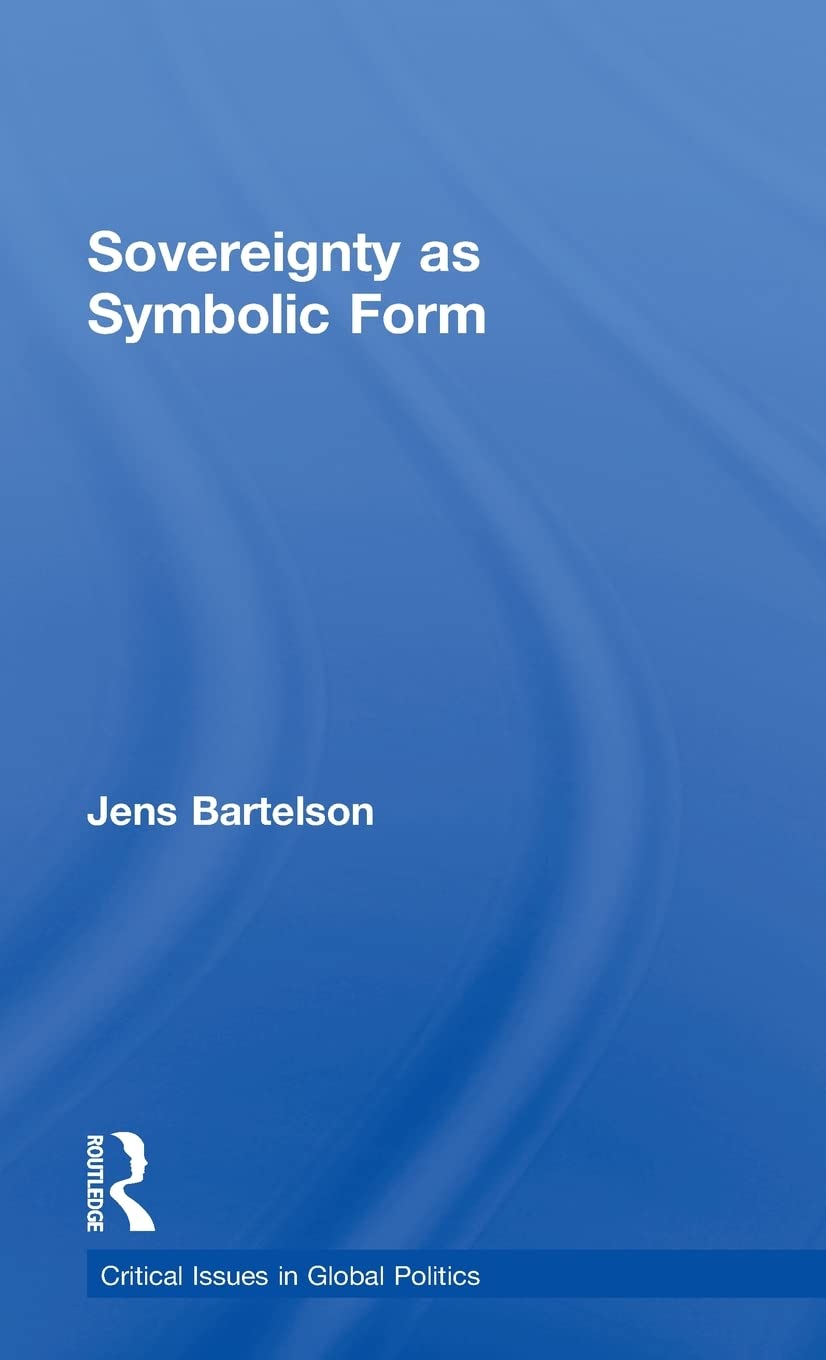
In this review of Sovereignty as Symbolic Form the reader is offered a focused, scholarly examination of how the meaning and practical functions of sovereignty have shifted in recent decades. Jens Bartelson argues that sovereignty is no longer an absolute attribute of the modern state but a conditional status granted in relation to an imagined international community, and this book is best for students and researchers who want a rigorous conceptual rethinking rather than a policy primer. The single biggest reason to read it is its sustained critique of sovereignty's transformed ontological role and the implications that change holds for the international system.
Key Features
- Analytical focus: Presents a thorough conceptual inquiry into sovereignty, which clarifies how its functions and meanings have evolved in recent decades.
- Theoretical argument: Argues persuasively that sovereignty has been reconceived as contingent on responsible exercise in accordance with international norms, helping readers rethink state legitimacy.
- System-level implications: Explores how changes in sovereignty affect the ontological status of the state and the modus operandi of the international system as a whole.
- Critical perspective: Challenges familiar assumptions about sovereignty as a constitutive principle of the modern state, prompting deeper debate in political theory and international relations.
- Concise scope: Focuses tightly on the concept of sovereignty, making it a targeted read for specialists seeking conceptual clarity rather than broad historical narrative.
Who It's For
Scholars, graduate students, and advanced undergraduates in political theory and international relations will find this book most valuable, because it engages directly with conceptual and ontological issues surrounding statehood and sovereignty. Those preparing literature reviews or theoretical chapters that interrogate the legitimacy and function of the state in a changing international order will benefit from Bartelson's precise framing.
Readers seeking a practical policy guide, a history of specific sovereignty disputes, or an introductory textbook for newcomers should look elsewhere, as the book prioritizes critical theory and conceptual analysis over prescriptive recommendations or narrative case studies.
Pros & Cons
Pros
- Sharp conceptual critique that reframes sovereignty as contingent and normatively mediated, useful for theoretical work.
- Clear linkage between changes in sovereignty and the ontological status of the state, which aids deeper systemic analysis.
- Targeted focus that avoids unnecessary breadth, keeping the argument tight and sustained throughout.
Cons
- The book's emphasis on conceptual argument means it is less suitable for readers who want empirical case studies or direct policy prescriptions.
Specifications
| Title | Sovereignty as Symbolic Form |
| Series | Critical Issues in Global Politics |
| Author | Jens Bartelson |
| Subject matter | Conceptual inquiry into sovereignty and state ontology |
| Main argument | Sovereignty is contingent and granted according to international norms |
| Intended audience | Scholars and advanced students of politics and international relations |
Our Verdict
For readers seeking a rigorous, concept-driven reassessment of sovereignty, this book is an insightful and worthwhile purchase that reframes how scholars should think about state legitimacy and international ordering. Its narrow, theoretical focus makes it excellent value for researchers and graduate students who need conceptual clarity, though readers wanting empirical policy guidance should consider complementary titles.
Frequently Asked Questions
Does this book provide case studies of changing sovereignty?
Answer. The work concentrates on conceptual analysis and systemic implications rather than detailed empirical case studies, so empirical readers may need supplemental sources.
Who is the primary audience for this book?
Answer. The primary audience is scholars, graduate students, and readers with background in political theory or international relations who want a theoretical critique of sovereignty.
What is the book's main claim about sovereignty?
Answer. Bartelson contends that sovereignty has been reconceived as a contingent, granted status tied to the responsible exercise of authority in line with imagined international norms.
Editor's Take
A rigorous, concept-driven reassessment of sovereignty that reframes state legitimacy and international order; ideal for scholars and graduate students seeking conceptual clarity.

Recently viewed
Recently viewed products will appear here as customers browse the store.