

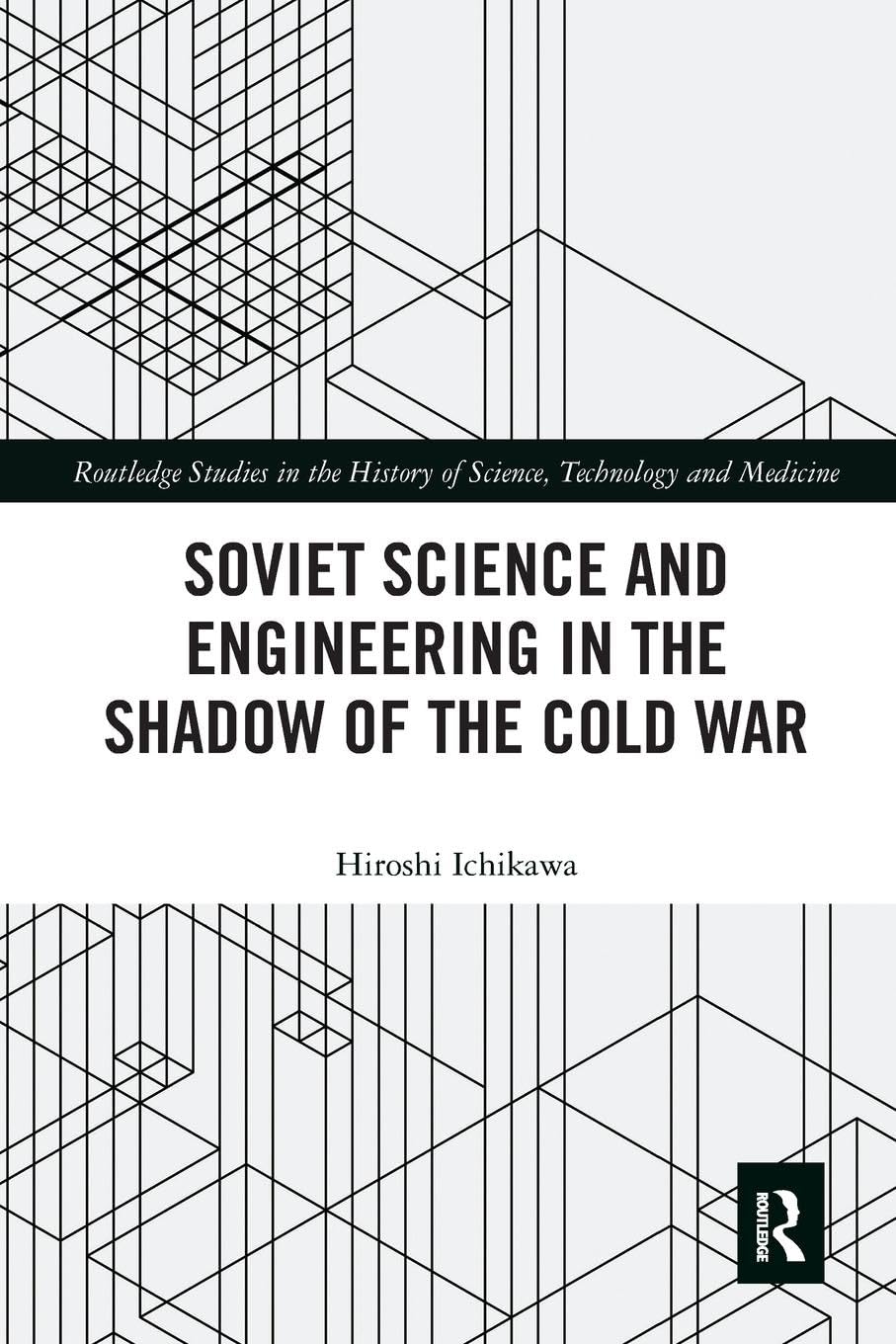
Soviet Science and Engineering in the Shadow of the Cold War
Soviet Science and Engineering in the Shadow of the Cold War
Price subject to change. Tap below for current.
Couldn't load pickup availability
In this review of Soviet Science and Engineering in the Shadow of the Cold War, the author Hiroshi Ichikawa examines how the 1950s reshaped scientific priorities under geopolitical pressure. This book is for readers who want a historically grounded account of how the Soviet Union mobilized talent and resources to deliver rapid advances in nuclear weapons, civil nuclear power, rocketry, jet aviation, and early computing. The single biggest reason to pick up this volume is its focused narrative on the immediate postwar decade, tracing how military imperatives and state planning accelerated technological achievement in ways that still matter to historians and policy researchers.
Key Features
- Focused historical scope: Concentrates on the 1950s to show how a single decade transformed Soviet science and engineering priorities for both military and civilian applications.
- Discussion of nuclear development: Details the rapid Soviet success in nuclear weapons and the origin of civilian nuclear power in Obninsk in 1954 as pivotal moments.
- Interplay of military and science policy: Explains how Cold War tensions mobilized scientific talent into military-related R and D projects across multiple disciplines.
- Case studies of technology: Considers rockets, jet warplanes, and early computers as examples of risky, costly projects completed quickly after World War II.
- History and policy angle: Balances technical achievement with political context to help readers understand decision making under strategic imperatives.
Who It's For
Historians of science and technology, graduate students in Cold War studies, and policy scholars will find value in Ichikawa's concentrated treatment of the 1950s. The book is particularly useful for readers seeking an integrated view of how state priorities, military needs, and scientific institutions interacted during a short, intense period of technological change.
Those looking for a textbook introduction to basic physics or a highly technical engineering manual should look elsewhere; the book is a historical and policy-oriented treatment rather than an engineering design guide. Readers expecting extensive personnel biographies or exhaustive technical schematics may find the emphasis is more on institutional and programmatic developments.
Pros & Cons
Pros
- Offers a clear narrative of the 1950s that links military mobilization to rapid scientific gains in the Soviet Union.
- Provides useful context on the first civil nuclear power plant at Obninsk and the broader dawn of the Atomic Age.
- Places technological projects like rockets and early computers within political and resource constraints of the era.
Cons
- The focus on a single decade limits depth on later Cold War developments and long-term technological trajectories.
Specifications
| Title | Soviet Science and Engineering in the Shadow of the Cold War |
| Series | Routledge Studies in the History of Science, Technology and Medicine |
| Author | Hiroshi Ichikawa |
| Historical period | 1950s postwar decade |
| Geographic focus | Soviet Union |
| Main themes | Nuclear development, rockets, jet aviation, computers, state mobilization |
Our Verdict
Ichikawa's study is a concise, thoughtful account for readers who want a historically informed explanation of how the Soviet Union achieved rapid scientific and engineering advances under Cold War pressures. It is good value for historians and policy analysts who need a focused narrative on the 1950s and the institutional forces that produced early nuclear power and other key technologies.
Frequently Asked Questions
Does this book cover Soviet nuclear weapons development?
Yes; it discusses how the Soviet Union achieved rapid success in nuclear weapon development during the early Cold War years.
Is there coverage of civilian nuclear power?
Yes; the book highlights the operation of the world's first civil nuclear power plant in Obninsk in 1954 as a key milestone.
Who would benefit most from this book?
Historians of science, graduate students, and policy researchers interested in Cold War technological mobilization will gain the most from this volume.
Editor's Take
Ichikawa's study offers a focused, historically grounded account of how Cold War pressures accelerated Soviet science and engineering in the 1950s, making it valuable for historians and policy researchers interested in early nuclear power and rapid technological programs.

Recently viewed
Recently viewed products will appear here as customers browse the store.