Regular price
$210.00 USD
Price subject to change. Tap below for current.
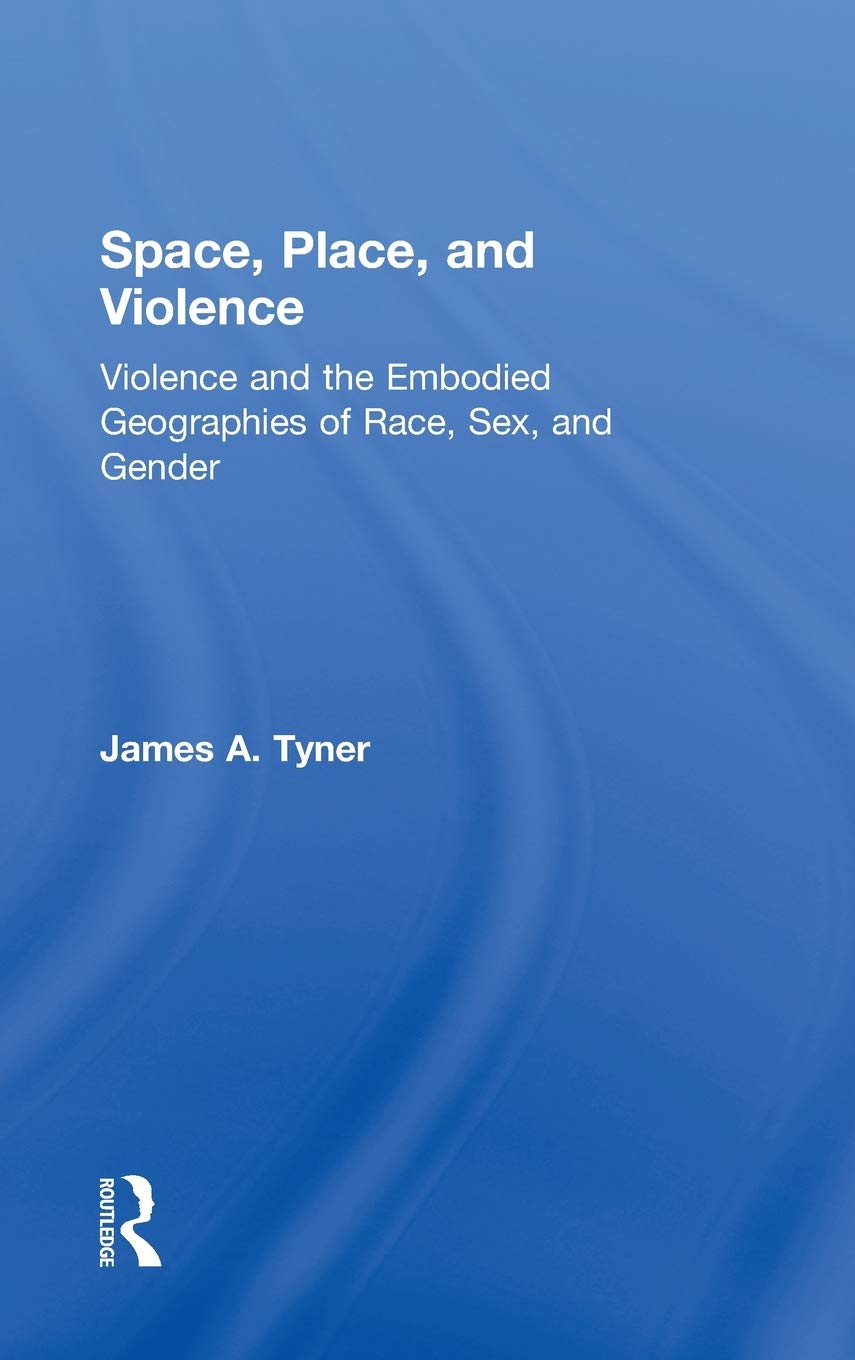
Space, Place, and Violence by James A. Tyner delves into the intricate relationship between geography and conflict. This thought-provoking book examines how spatial dynamics influence violence and the socio-political landscapes that shape human interactions.
In this compelling narrative, Tyner argues that understanding the geographical dimensions of violence is crucial for comprehending contemporary conflicts. He explores various case studies that illustrate how location impacts the nature and intensity of violence, providing readers with a nuanced perspective.
The author skillfully integrates theoretical frameworks with empirical research, making the text accessible to both scholars and general readers. Tyner's analysis of place-based violence highlights the importance of context in understanding conflict, urging readers to consider the historical and cultural factors at play.
Throughout the book, Tyner emphasizes the role of spatial relationships in shaping human behavior. He discusses how urban environments, rural landscapes, and borders can either exacerbate or mitigate violence. This exploration of spatiality offers valuable insights into the complexities of human interactions and the factors that drive conflict.
Moreover, the book addresses the implications of geopolitical tensions and how they manifest in various regions around the world. Tyner's examination of global conflicts provides a comprehensive overview of the ways in which geography influences power dynamics and societal structures.
Readers will appreciate Tyner's ability to weave together theory and practice, making Space, Place, and Violence a vital resource for anyone interested in the intersections of geography, violence, and society. The book is not only an academic text but also a call to action for policymakers and practitioners to consider the spatial dimensions of conflict in their work.
In conclusion, Space, Place, and Violence is an essential read for those seeking to understand the complexities of conflict through a geographical lens. Tyner's insightful analysis and compelling case studies make this book a significant contribution to the fields of geography, sociology, and conflict studies.