

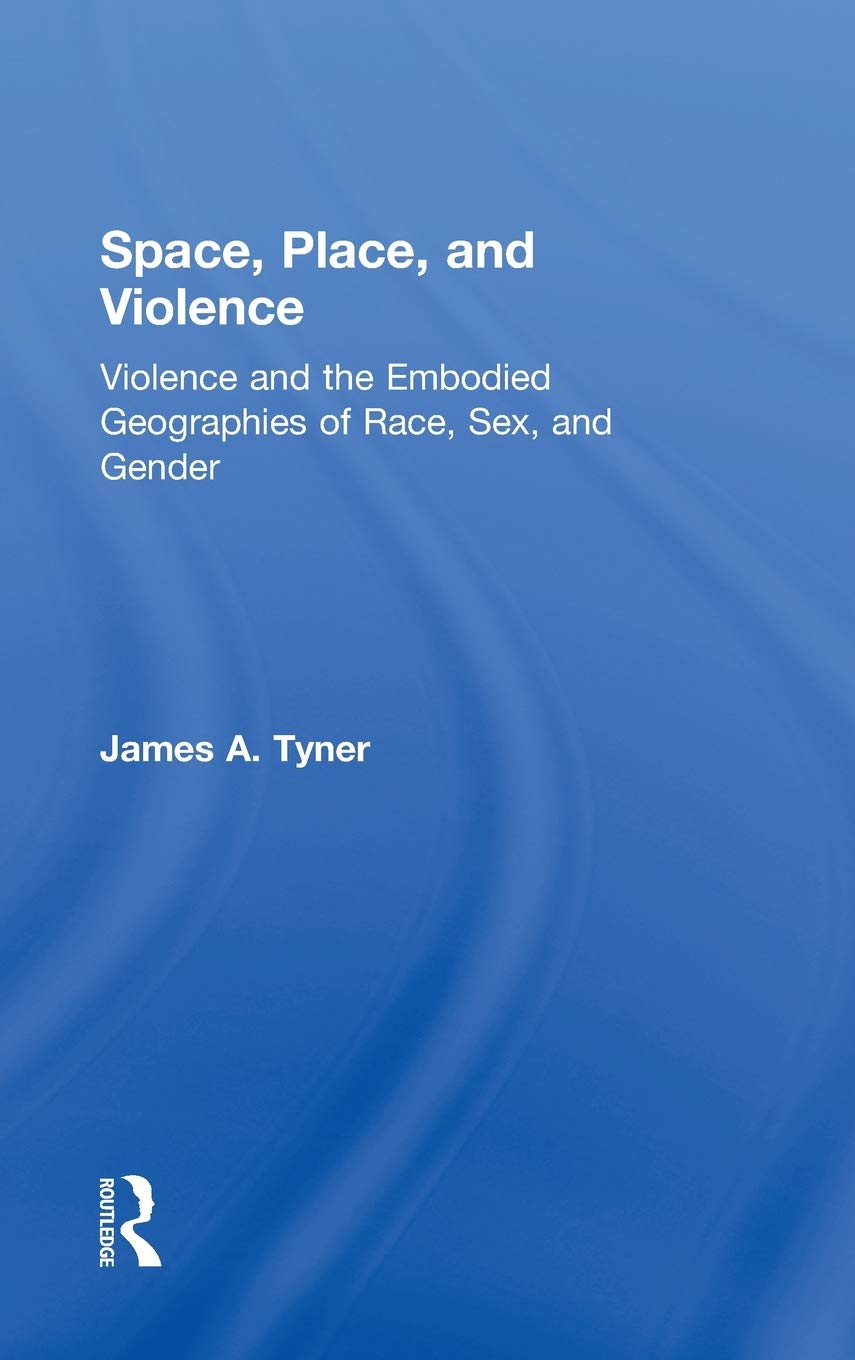
Space, Place, and Violence - A Geographic Reading of Direct Violence
Space, Place, and Violence - A Geographic Reading of Direct Violence
Price subject to change. Tap below for current.
Couldn't load pickup availability
Our review of Space, Place, and Violence finds it most valuable for readers who want a focused, geographic approach to understanding direct interpersonal violence. Written with clarity, the book argues that violence is both ordinary and spatially produced, offering a clear lens for scholars and practitioners to see how violent acts are embedded in everyday places. This review highlights the book's central claim that violence is a social and spatial practice and recommends it for anyone seeking a critical, place-based analysis rather than a general survey of violence.
Key Features
- Geographic perspective: Frames direct violence through the lens of human geography to show how violent acts take place within and produce specific places.
- Focus on direct violence: Concentrates on interpersonal and immediate acts of harm, helping readers differentiate direct violence from structural forms.
- Spatial vignettes: Uses four concrete settings - home, school, streets, and community - to ground theoretical claims in recognizable places.
- Critical context: Situates violent acts within broader political and structural conditions, enabling a more nuanced understanding of causation and consequence.
- Clear argumentation: Argues consistently that violence is both social and spatial, making the thesis accessible to readers outside strictly theoretical circles.
Who It's For
Space, Place, and Violence is best suited to graduate students, researchers, and practitioners in human geography, social sciences, and related fields who want a focused analysis of how direct violence is produced and experienced in everyday places. The book's geographic framing and concrete vignettes make it useful for those applying spatial thinking to policy, community work, or academic inquiry.
Readers seeking a broad survey of all forms of violence or a handbook-style guide to preventing violence might prefer a different title; this work intentionally narrows its scope to direct, interpersonal violence and its spatial dimensions rather than exhaustive policy prescriptions.
Pros & Cons
Pros
- Provides a clear spatial lens that links violent acts to places readers know, aiding comprehension and application.
- Grounds theory in four accessible vignettes, making abstract ideas tangible for practitioners and students.
- Connects direct violence to larger political and structural contexts, offering depth beyond incident-level description.
Cons
- Scope is deliberately narrow, focusing on direct violence and offering limited coverage of structural or symbolic violence.
Specifications
| Title | Space, Place, and Violence |
| Author | James A. Tyner |
| Subject focus | Direct interpersonal violence from a geographic perspective |
| Spatial vignettes | Home, school, streets, community |
| Approach | Critical human geography connecting violence to place |
| Intended audience | Students, researchers, practitioners in social sciences |
Our Verdict
Space, Place, and Violence is a focused, thoughtful contribution for those who want a geographic reading of direct violence. It excels at showing how violence is embedded in everyday places and connects incidents to broader structural conditions, making it good value for students and researchers seeking a concise, place-based framework rather than a comprehensive violence handbook.
Frequently Asked Questions
Does this book focus on all types of violence?
The book emphasizes direct, interpersonal violence and situates it in spatial contexts, rather than covering all forms like symbolic or only structural violence.
Are concrete examples provided?
Yes, the author uses four spatial vignettes - home, school, streets, and community - to illustrate how violence takes place and produces place.
Who would benefit most from this book?
Graduate students, researchers, and practitioners in human geography and social sciences will gain the most from its critical, place-based analysis.
Editor's Take
Space, Place, and Violence offers a clear geographic framework for understanding direct interpersonal violence, linking everyday places to broader political conditions; it is best for students and researchers seeking a focused, place-based analysis.

Recently viewed
Recently viewed products will appear here as customers browse the store.