

Space, Time, and Archaeological Landscapes - Survey Methods in Context
Space, Time, and Archaeological Landscapes - Survey Methods in Context
Price subject to change. Tap below for current.
Couldn't load pickup availability
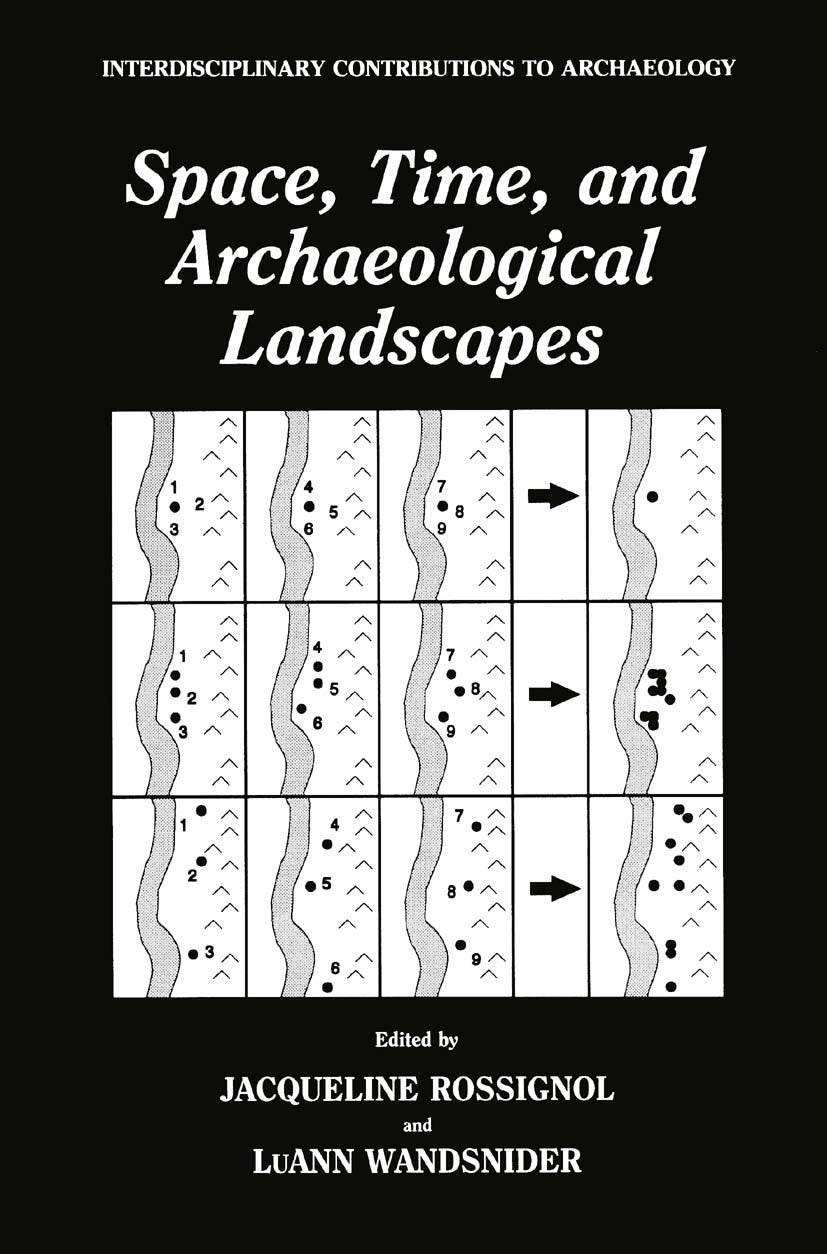
In this review of Space, Time, and Archaeological Landscapes the authors present a focused collection for readers interested in how modern survey and spatial thinking reshape archaeological practice. The book is best for graduate students, researchers, and professionals who need a rigorous discussion of expanding data recovery beyond individual sites; it stands out because it ties evolving survey methods to theoretical questions about what constitutes an archaeological site and how to handle off-site, distributional, and geomorphological data.
Key Features
- Expanded spatial focus: The book examines survey-driven work that moves analysis from site-centric study to region-wide datasets, helping readers understand landscape-scale evidence.
- Methodological variety: Contributors discuss both traditional and experimental survey techniques, offering practical perspectives on nonsite and distributional data recovery.
- Theoretical integration: Essays evaluate the definition and role of archaeological sites, which aids interpretation and research design across projects.
- Geomorphological emphasis: The text includes consideration of geomorphological analysis in both survey and excavation, clarifying how landscape processes affect preservation and discovery.
- Interdisciplinary contributions: Multiple viewpoints bridge field methods, spatial analysis, and theory, useful for students learning to synthesize diverse data types.
Who It's For
The collection is aimed primarily at archaeology graduate students, field researchers, and academics who are integrating survey data, GIS, and landscape perspectives into their work. It is particularly valuable to readers designing regional studies or questioning site boundaries and data sampling strategies.
Those seeking an introductory textbook with step-by-step field protocols or a handbook of lab techniques may want a more method-focused manual; this volume is stronger on conceptual framing and examples of evolving survey practice than on exhaustive procedural instruction.
Pros & Cons
Pros
- Useful synthesis of regional survey approaches that broadens conventional site-focused analysis.
- Clear attention to the theoretical implications of nonsite and distributional data recovery.
- Valuable discussion of geomorphological factors that influence both survey and excavation results.
Cons
- Not a step-by-step field manual, so practitioners seeking detailed procedural checklists may find it limited.
Specifications
| Title | Space, Time, and Archaeological Landscapes |
| Series | Interdisciplinary Contributions to Archaeology |
| Editors/Authors | Jaqueline Rossignol, LuAnn Wandsnider |
| Subject focus | Survey methods, landscape archaeology, geomorphology |
| Scope | Regional and nonsite archaeological data recovery and analysis |
| Approach | Interdisciplinary essays combining method and theory |
Our Verdict
Space, Time, and Archaeological Landscapes is a well-crafted collection for readers who want to rethink archaeological data beyond single sites. It offers strong conceptual guidance and useful case perspectives on survey and landscape analysis, making it good value for students and researchers seeking to design regional studies or incorporate geomorphological considerations into interpretation.
Frequently Asked Questions
Does this book provide practical field protocols?
It focuses on methods in context and theoretical implications rather than exhaustive, step-by-step field protocols.
Is this suitable for undergraduate courses?
Advanced undergraduates with background in archaeology or GIS will find the essays useful, but it is most appropriate for graduate-level study.
Does it cover GIS and spatial analysis?
Yes, the volume treats spatial approaches as central to expanding archaeological survey and regional analysis.
Editor's Take
A thoughtful collection that reframes archaeological practice at the landscape scale; ideal for graduate students and researchers who need conceptual and case-based guidance on survey, nonsite data, and geomorphological influences.

Recently viewed
Recently viewed products will appear here as customers browse the store.