

States, Citizens and the Privatisation of Security - In-depth
States, Citizens and the Privatisation of Security - In-depth
Price subject to change. Tap below for current.
Couldn't load pickup availability
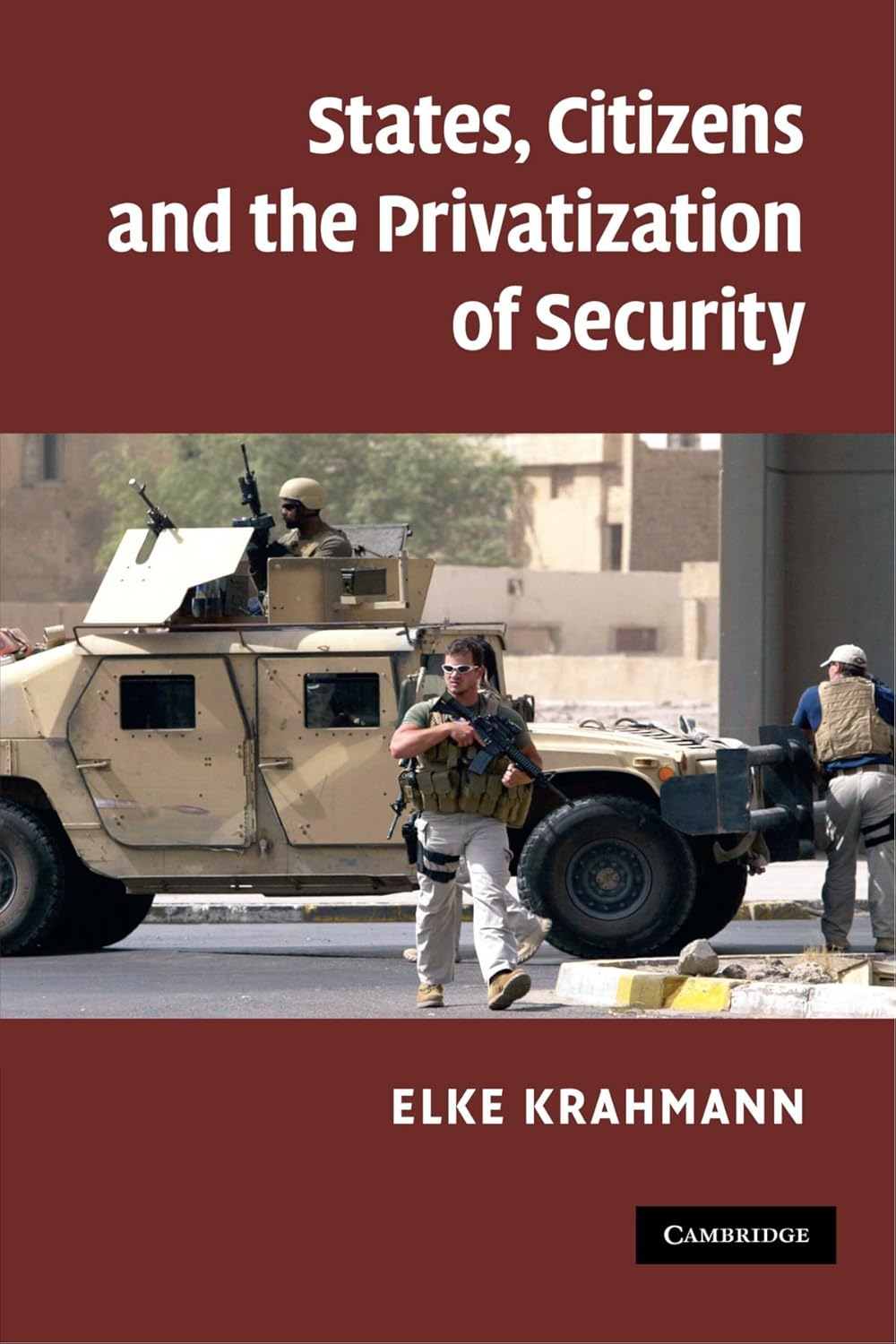
In this review of States, Citizens and the Privatisation of Security the bottom line is clear: this is a thoughtful, historically grounded book for readers who want a rigorous explanation of why private military contractors matter today. Elke Krahmann traces changes from the late eighteenth century to the present and explains how the transition from a centralized Cold War warfare state to fragmented, privatized security governance reshapes the relationship between the state and the citizen. The book is best for students, policy readers and researchers seeking a comparative account of the UK, the US and Germany.
Key Features
- Comparative national focus: Detailed comparisons of the UK, the US and Germany help readers understand how different political cultures affect outsourcing of military services.
- Historical span: Coverage from the late eighteenth century to the present places contemporary privatization in a long-term context that clarifies causes and consequences.
- Democratic accountability lens: The book examines implications for democratic control over the legitimate use of armed force, helping citizens and policymakers gauge oversight challenges.
- Policy-relevant analysis: By linking state models and soldier roles to privatization, the text provides a foundation for evaluating regulation and governance options.
- Theoretical and empirical balance: Krahmann combines conceptual framing with national case material to support arguments about fragmented security governance.
Who It's For
This title is well suited to senior undergraduates, graduate students and researchers in political science, international relations and security studies who need a comparative history of private military contracting and state change. It also serves policy analysts and informed readers who want evidence-based discussion of democratic control and governance of force.
Readers looking for a practical handbook on military procurement, operational details of contractor deployment, or a short popular account should look elsewhere; this is an academic, analytic book rather than a how-to guide or quick overview.
Pros & Cons
Pros
- Clear comparative framework that illuminates national differences in privatization choices.
- Historical depth that connects contemporary developments to long-term state transformations.
- Focus on democratic control offers a normative and practical angle valuable for policy debate.
Cons
- The academic style and depth mean it is less accessible to readers seeking a brief or popular treatment.
Specifications
| Title | States, Citizens and the Privatisation of Security |
| Author | Elke Krahmann |
| Geographic focus | UK, United States, Germany |
| Scope | Late eighteenth century to present |
| Primary topics | Privatisation of military services; democratic control; state models |
| Intended audience | Students, researchers, policy analysts |
Our Verdict
States, Citizens and the Privatisation of Security is a valuable, evidence-rich study for readers who need a comparative, historically informed account of private military contracting and its implications for democratic oversight. Its analytical breadth and focus on state-citizen relations make it a worthwhile investment for academic and policy libraries, though casual readers may find the style demanding.
Frequently Asked Questions
Does this book compare different countries?
Yes, it explicitly compares the UK, the United States and Germany to highlight national differences in outsourcing military services.
Is the book mainly historical or contemporary analysis?
It combines both: tracing developments from the late eighteenth century while analysing present-day privatized and fragmented security governance.
Who will benefit most from reading it?
Graduate students, researchers and policy analysts interested in security governance and democratic control will get the most value.
Editor's Take
A rigorous, comparative study that links long-term state transformations to modern privatized security and offers essential analysis for students and policy readers, though its academic style may deter casual readers.

Recently viewed
Recently viewed products will appear here as customers browse the store.