

Stem Cells in Neuroendocrinology - Research and Practical Perspectives
Stem Cells in Neuroendocrinology - Research and Practical Perspectives
Price subject to change. Tap below for current.
Couldn't load pickup availability
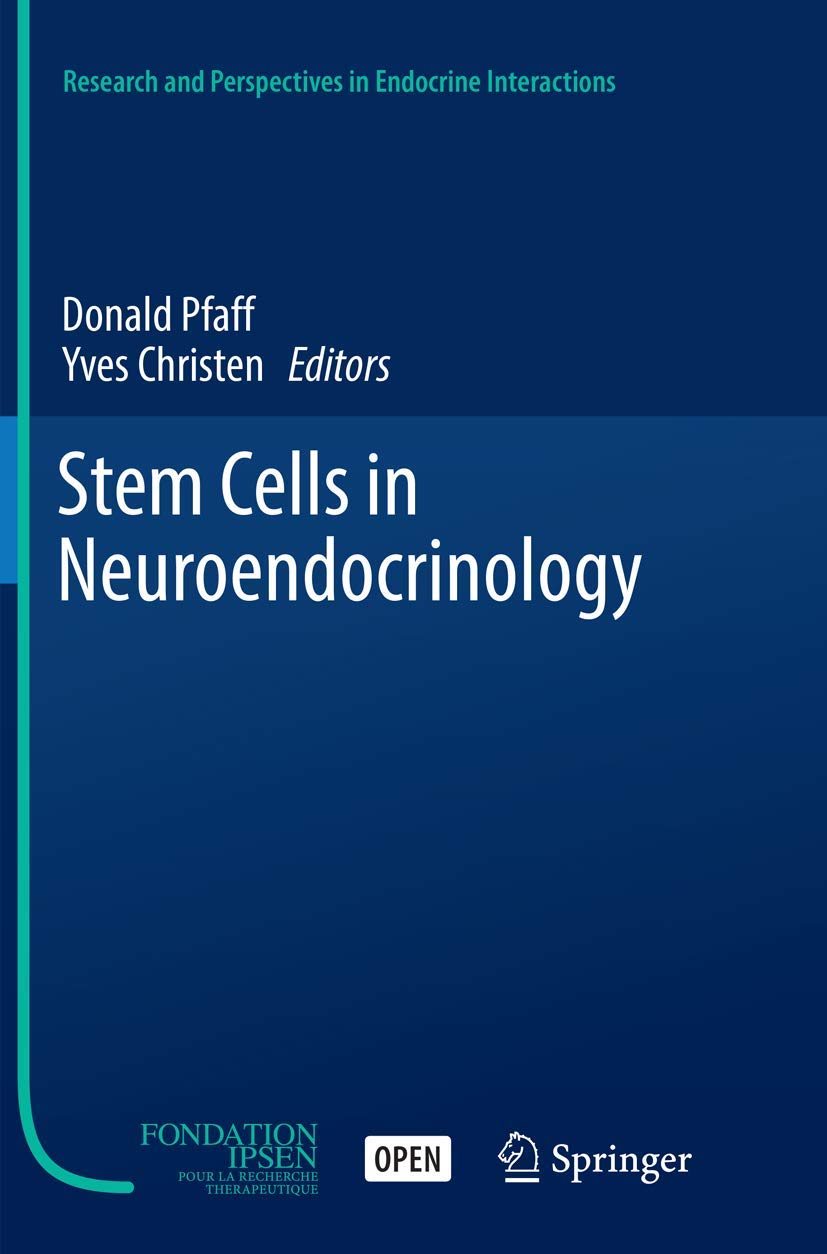
In this review of Stem Cells in Neuroendocrinology readers will find a focused, research-oriented volume aimed at neuroscientists and clinicians interested in cellular approaches to endocrine and brain disorders. The book's single biggest reason to buy is its clear synthesis of stem cell methodologies applied to neuronal types relevant to neuroendocrine systems, with a particular emphasis on the derivation and potential therapeutic use of dopamine neurons. The review highlights both practical successes reported by the authors and cautionary notes about technical limitations, making it a useful academic reference.
Key Features
- Clear methodological overview: The opening chapters explain stem cell techniques used to produce specific neuron types, helping researchers understand experimental options and caveats.
- Focus on therapeutic potential: Discussion of possibilities for therapeutic use provides clinicians with context for how derived neurons might be applied in treatment settings.
- Detailed dopamine neuron example: The book devotes extended coverage to dopamine neurons, making it especially informative for those studying Parkinsonian and other dopaminergic conditions.
- Clinical application chapters: Additional chapters examine problems such as pituitary cancer surgeries where stem cell derived cells could be useful, bridging lab work and surgical need.
- Forward-looking perspective: The concluding chapter surveys the field and presents a realistic vision for future research directions and challenges.
Who It's For
This volume is best suited for researchers in neuroscience, neuroendocrinologists, and advanced graduate students who need a focused summary of stem cell methodologies and their application to neuroendocrine questions. Clinician-scientists exploring translational approaches will find the discussion of therapeutic possibilities and surgical needs particularly relevant.
It is less appropriate for casual readers or those seeking a beginner's textbook on general stem cell biology, since the treatment assumes some prior knowledge and emphasizes research reports and technical warnings rather than broad introductory pedagogy.
Pros & Cons
Pros
- Consolidates diverse stem cell methodologies into a single reference useful for planning experiments or translational work.
- Offers focused, practical discussion of dopamine neuron derivation, an important model for neuroendocrine therapies.
- Connects laboratory techniques to clinical problems such as pituitary cancer surgery needs, aiding translational thinking.
- Provides a candid overview of limitations and technical problems, helping readers avoid common pitfalls.
Cons
- Not a general introductory textbook; readers without background in stem cell or neurobiology may find some chapters technical.
Specifications
| Title | Stem Cells in Neuroendocrinology |
| Series | Research and Perspectives in Endocrine Interactions |
| Authors / Editors | Donald Pfaff, Yves Christen |
| Scope | Stem cell methods, neuron derivation, therapeutic uses, technical issues |
| Featured example | Dopamine neuron derivation and discussion |
| Clinical topics | Applications including pituitary cancer surgery needs |
Our Verdict
Stem Cells in Neuroendocrinology is a valuable, narrowly focused reference for researchers and clinician-scientists interested in applying stem cell methods to neuroendocrine problems. Its strengths are the methodological clarity and the practical discussion of dopamine neurons and surgical applications; despite being technical in places, it offers good value for those designing experiments or exploring translational paths.
Frequently Asked Questions
Does this book explain how to derive specific neuron types?
The text includes an elementary introduction to the stem cell methodologies used to produce specific types of neurons and reports successful derivation examples.
Is clinical relevance covered?
Yes; the book discusses therapeutic possibilities and clinical problems such as the need for cells in pituitary cancer surgeries.
Is the book suitable for beginners?
It assumes some prior knowledge and is aimed more at researchers and clinician-scientists than complete beginners.
Editor's Take
A focused, research-oriented reference for researchers and clinician-scientists, valuable for its methodological clarity and practical discussion of dopamine neuron derivation and clinical applications.

Recently viewed
Recently viewed products will appear here as customers browse the store.