

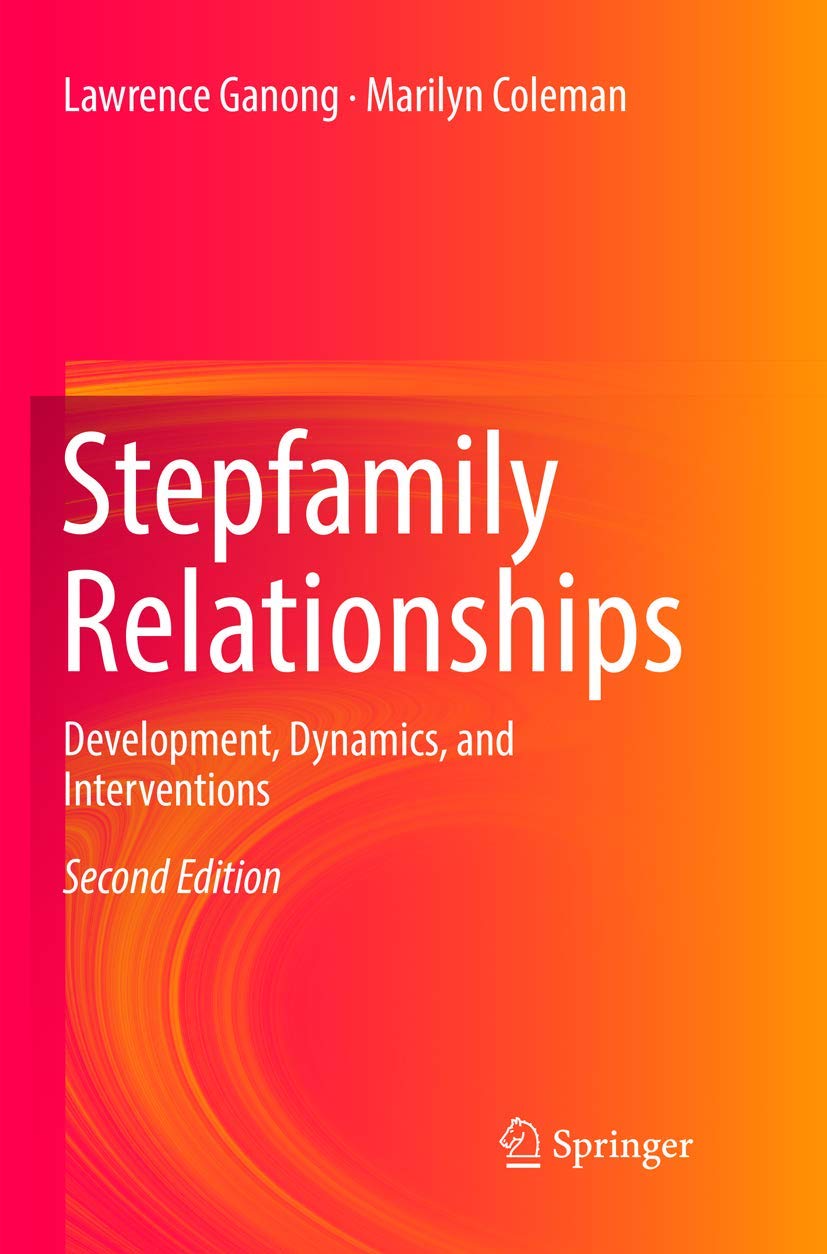
Stepfamily Relationships: Development, Dynamics, and Interventions
Stepfamily Relationships: Development, Dynamics, and Interventions
Price subject to change. Tap below for current.
Couldn't load pickup availability
In this review of Stepfamily Relationships: Development, Dynamics, and Interventions the reviewer finds a thoughtfully updated synthesis for professionals and students studying nontraditional families. The second edition is best for therapists, counselors, and researchers who need a comprehensive summary of the literature on stepfamilies and practical guidance on interventions, because it combines empirical findings on diverse family arrangements with a focused discussion of therapeutic and educational approaches. The book's strongest asset is its balanced treatment of emerging topics like cohabitating stepparents and gay and lesbian stepfamilies.
Key Features
- Comprehensive synthesis: The book brings together an emerging knowledge base on the diversity of stepfamilies to give readers a coherent overview of current research.
- Coverage of new family forms: It highlights understudied arrangements such as cohabitating stepparents and stepgrandparents, expanding the scope beyond traditional stepfamily models.
- Attention to diverse members: Chapters discuss effects on various relatives, including stepsiblings and stepgrandparents, helping practitioners consider multiple perspectives in therapy.
- Inclusive discussion: The edition addresses the experiences of gay and lesbian stepfamilies, useful for clinicians working with LGBTQ clients and their networks.
- Practical interventions: The authors review effective therapeutic, counseling, family education, and self-help programs to address emotional and social challenges.
- Myth-busting framework: The text explores prevailing myths about marriage, divorce, and stepfamily life, helping readers reframe assumptions in practice.
Who It's For
This book is aimed at mental health professionals, family therapists, graduate students in psychology and counseling, and researchers who require a scholarly yet applied treatment of stepfamily dynamics. Its emphasis on interventions and program merits makes it particularly valuable for clinicians designing treatment plans or educators developing family programs.
Readers seeking a memoir, self-help book for lay audiences, or an introductory pop-psychology primer should look elsewhere; this edition assumes familiarity with clinical concepts and research methods rather than offering basic relationship advice.
Pros & Cons
Pros
- Thorough integration of emerging research provides a solid reference for professionals.
- Inclusive treatment of varied family forms, including gay and lesbian stepfamilies, broadens clinical relevance.
- Practical coverage of therapeutic and educational interventions supports applied use in counseling settings.
Cons
- Because it is a scholarly synthesis, it is not written as a casual self-help guide for general audiences.
Specifications
| Title | Stepfamily Relationships: Development, Dynamics, and Interventions |
| Edition | Second edition |
| Authors | Lawrence Ganong, Marilyn Coleman |
| Scope | Diversity of stepfamilies, including cohabitating stepparents and gay and lesbian families |
| Focus | Research synthesis and therapeutic/counseling interventions |
| Audience | Clinicians, researchers, graduate students |
Our Verdict
Stepfamily Relationships is a valuable, evidence-informed resource for clinicians and scholars who need a comprehensive synthesis of stepfamily research and actionable intervention options. Its inclusive coverage and practical focus make it good value for professionals seeking to understand and treat the varied challenges of modern stepfamily life.
Frequently Asked Questions
Does this edition cover nontraditional stepfamilies?
Yes, the second edition explicitly examines cohabitating stepparents and gay and lesbian stepfamilies as part of its expanded coverage.
Is this book suitable for therapists designing interventions?
Yes, it reviews effective therapeutic, counseling, and family education programs and discusses their merits for practice.
Who should not buy this book?
Readers looking for a casual self-help manual or popular relationship tips will find the scholarly synthesis and clinical focus less accessible.
Editor's Take
Stepfamily Relationships is a comprehensive, evidence-based resource for clinicians and researchers, offering inclusive coverage of diverse stepfamilies and practical interventions for treatment.

Recently viewed
Recently viewed products will appear here as customers browse the store.