

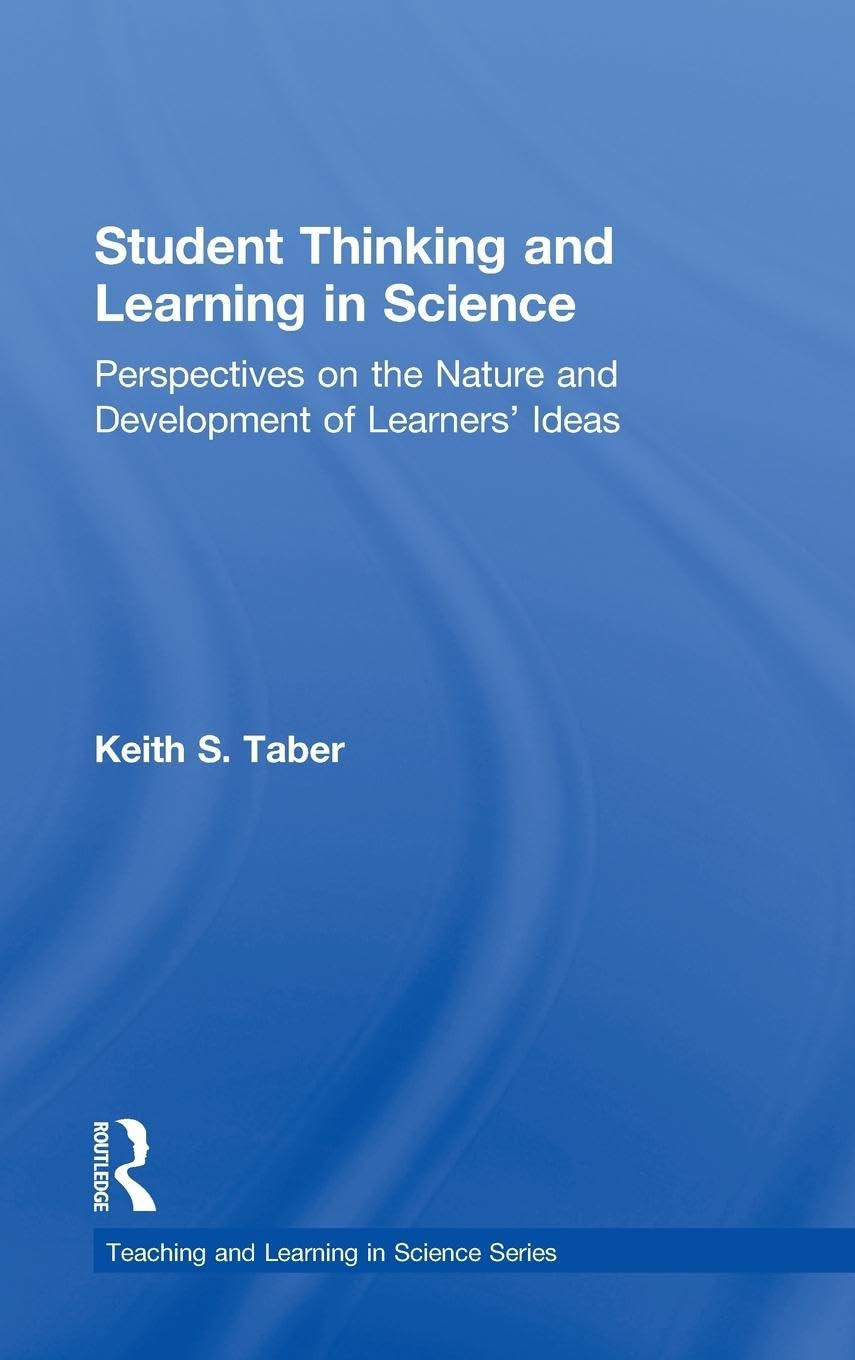
Student Thinking and Learning in Science - Clear Bridge from Research
Student Thinking and Learning in Science - Clear Bridge from Research
Price subject to change. Tap below for current.
Couldn't load pickup availability
In this review of Student Thinking and Learning in Science the bottom line is simple: this is a concise, readable survey for teachers and teacher-education students who need a clear, research-informed account of how secondary learners develop scientific ideas. The book's single biggest reason to buy is its focus on linking research findings with real classroom examples of students talking through familiar science topics, which makes abstract theory immediately usable in planning lessons and interpreting student responses.
Key Features
- Research summary: Provides accessible summaries of international research literature so readers can grasp core findings without wading through technical papers.
- Classroom examples: Uses concrete examples of students discussing common science topics to show how theory maps to classroom practice.
- Secondary focus: Concentrates on middle school to college level learners, making it directly relevant for teachers of adolescents.
- Bridge between theory and practice: Emphasises how theoretical accounts of learning can inform everyday teaching choices and assessment of student thinking.
- Suitable for teacher education: Written at the right level for science education students and those in higher degree programs who need a practical overview.
Who It's For
This book is aimed at classroom teachers working with middle school, high school or college-level science students who want a compact, research-informed lens on common student conceptions and how they change. It is also appropriate for science education students in teacher preparation and higher degree programs seeking a clear introduction to the field.
Those who should look elsewhere include readers seeking a comprehensive, exhaustive literature review or a textbook with step-by-step lesson plans; the book intentionally offers an overview rather than exhaustive coverage of every study or a full curriculum guide.
Pros & Cons
Pros
- Concise synthesis of international research that saves time for busy teachers.
- Concrete student dialogue examples make abstract ideas practical for classroom use.
- Focus on secondary learners aligns with the needs of middle and high school educators.
Cons
- Not a comprehensive review of the entire research literature, so specialists may need supplementary sources.
Specifications
| Title | Student Thinking and Learning in Science |
| Series | Teaching and Learning in Science Series |
| Author / Brand | Keith Taber |
| Audience focus | Secondary students, middle school to college level |
| Primary emphasis | Connecting research with classroom examples |
| Intended users | Classroom teachers and science education students |
Our Verdict
Student Thinking and Learning in Science is a practical, well-written overview that brings research findings into the classroom in a way teachers can use. It is good value for anyone wanting a clear, applied introduction to how learners develop scientific ideas, though specialists seeking exhaustive literature coverage should supplement it with additional sources.
Frequently Asked Questions
Is this book suitable for classroom use?
Yes, it includes concrete examples of students discussing science that teachers can use to interpret and respond to student thinking.
Who authored the book?
The author is Keith Taber, writing within the Teaching and Learning in Science Series.
Does it cover primary school learners?
No, the focus is on secondary learners from middle school through college level, so primary educators should seek other resources.
Editor's Take
A practical, well-written overview that brings research into classroom practice for secondary science teachers and education students; good value for an applied introduction though not exhaustive.

Recently viewed
Recently viewed products will appear here as customers browse the store.