

Surviving Domestic Abuse - Practical Guide to Support and Intervention
Surviving Domestic Abuse - Practical Guide to Support and Intervention
Price subject to change. Tap below for current.
Couldn't load pickup availability
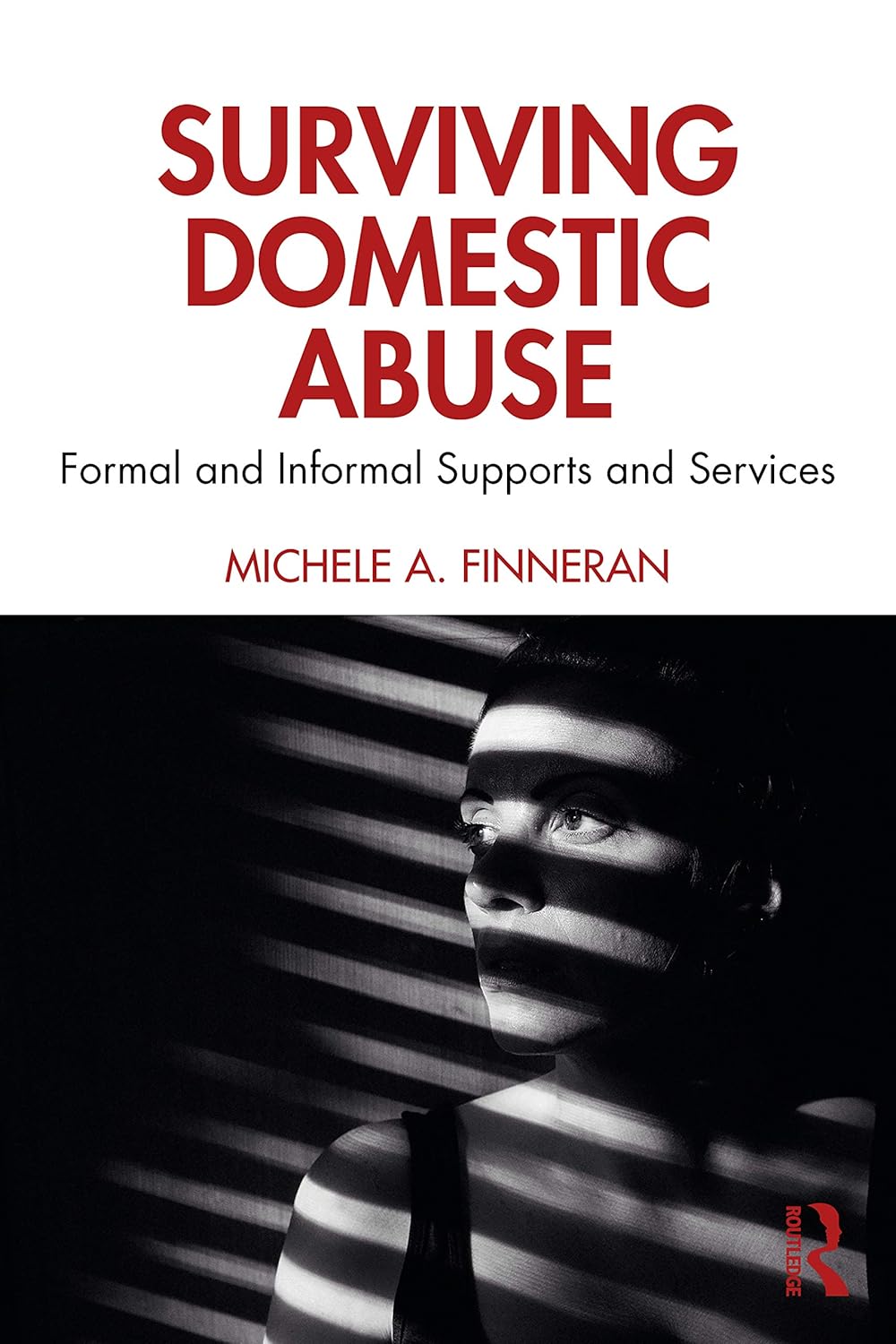
In this review of Surviving Domestic Abuse the reviewer finds a focused, practice-oriented examination of how supports and services reduce harm for people affected by domestic violence. The book is aimed at professionals and informed family members who need concrete, evidence-informed guidance rather than sensational accounts. Its single biggest strength is the combination of victim interviews with clear recommendations, which makes the material immediately useful for those shaping policy, workplace response, or front-line intervention.
Key Features
- Victim-centered interviews: Firsthand accounts are used to illustrate how survivors perceive effective and failing supports, helping readers understand lived experience.
- Actionable recommendations: The book translates findings into practical steps for law enforcement, healthcare, social services and employers to improve response and prevention.
- Focus on formal and informal supports: Both institutional services and family or community responses are examined so readers can see multiple avenues for intervention.
- Policy and strategy guidance: Clear use cases and suggested policy changes aid decision-makers who shape programs and funding priorities.
- Applied perspective: The text bridges research and practice, making it suitable for professionals seeking applied psychology insights.
Who It's For
Surviving Domestic Abuse is best for professionals in law enforcement, healthcare, social services, human resources and policy who need a practical review of supports that work and where gaps exist. It will also be useful for family members and advocates who want to understand how to help survivors in concrete ways.
Readers looking for a clinical treatment manual or an academic meta-analysis may want a different title; this book emphasizes applied recommendations and survivor perspectives rather than exhaustive methodological detail.
Pros & Cons
Pros
- Provides survivor voices that clarify what supports feel effective in real situations.
- Offers actionable recommendations aimed at multiple stakeholder groups including employers and service providers.
- Connects policy and front-line practice so readers can translate findings into programs.
Cons
- Not a clinical therapy manual, so clinicians seeking detailed treatment protocols may find it limited.
Specifications
| Title | Surviving Domestic Abuse |
| Author | Michele A. Finneran |
| Subject | Domestic violence supports and services |
| Approach | Victim interviews and applied recommendations |
| Intended audience | Professionals, family members, policy makers |
| Focus areas | Law enforcement, healthcare, social services, employers |
Our Verdict
Surviving Domestic Abuse is a valuable, practical resource for professionals and advocates who need to understand which supports reduce harm and how to implement change. Its use of survivor testimony combined with clear recommendations makes it good value for anyone responsible for program design, workplace policy or front-line response.
Frequently Asked Questions
Does the book include real survivor accounts?
Yes. The author uses real-life interviews to inform recommendations and illustrate gaps in supports.
Who will find this most useful?
It is most useful for service providers, law enforcement, healthcare professionals, employers and family members who assist survivors.
Is this a clinical treatment guide?
No. The book focuses on supports, services and policy recommendations rather than detailed clinical therapy protocols.
Editor's Take
Surviving Domestic Abuse is a practical, survivor-informed resource that translates interviews into actionable recommendations for professionals, policy makers and family members, making it valuable for those designing supports and response.

Recently viewed
Recently viewed products will appear here as customers browse the store.